About Grosuplje
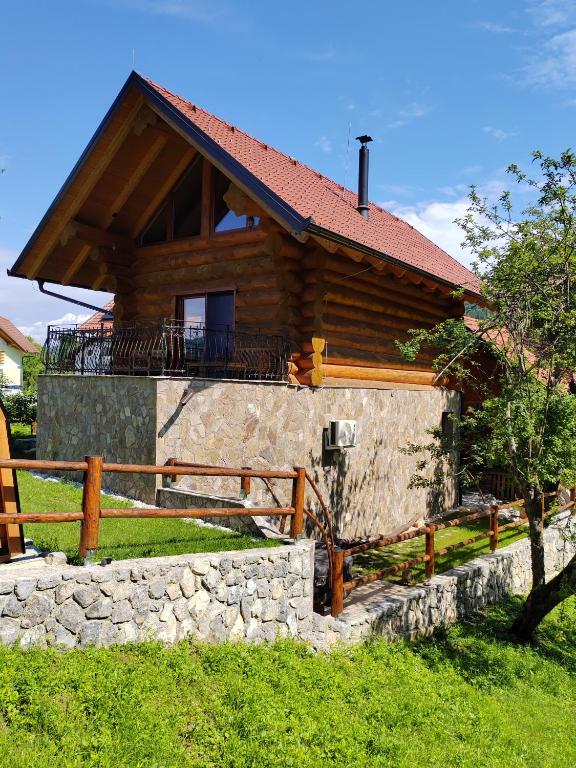
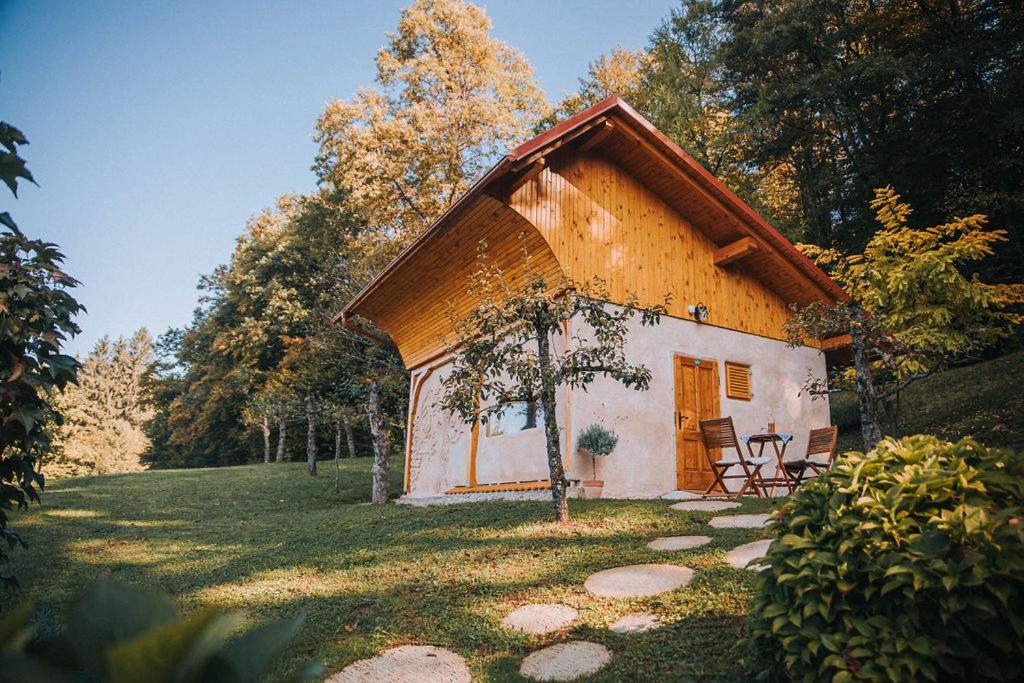
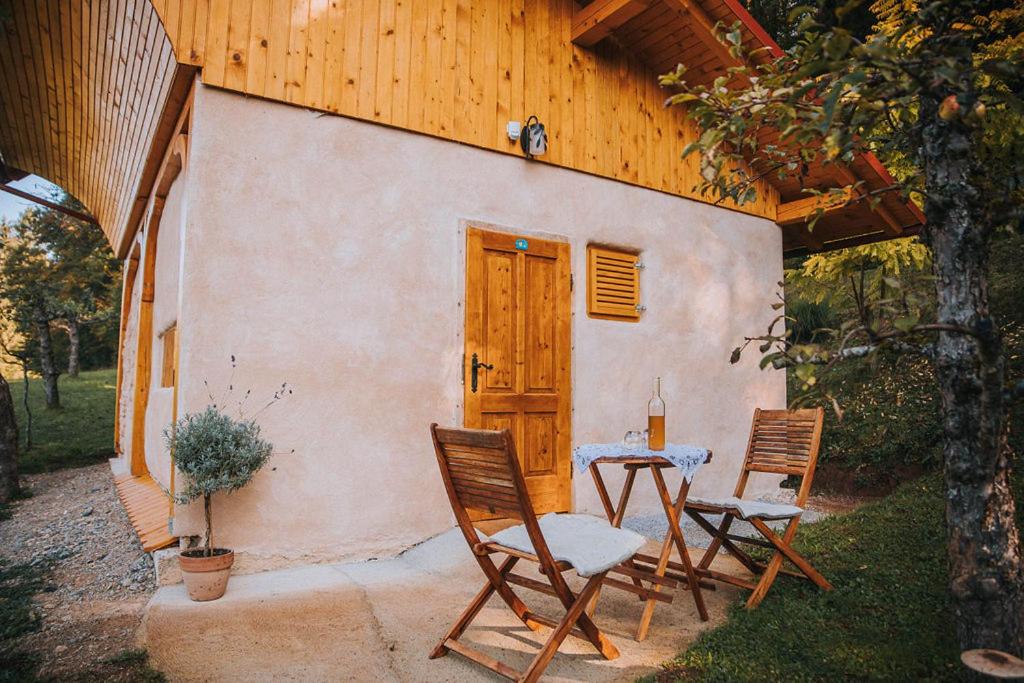
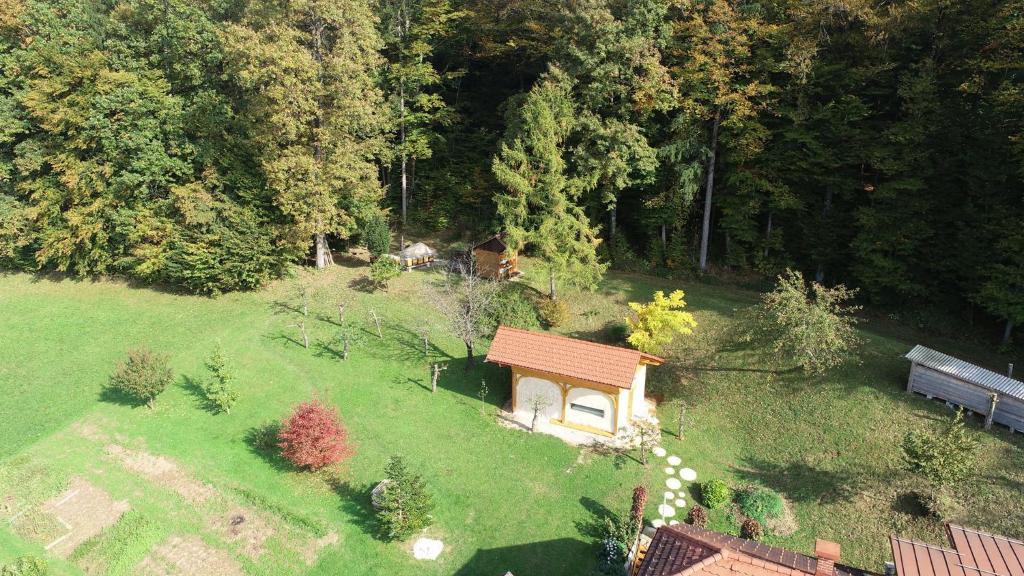
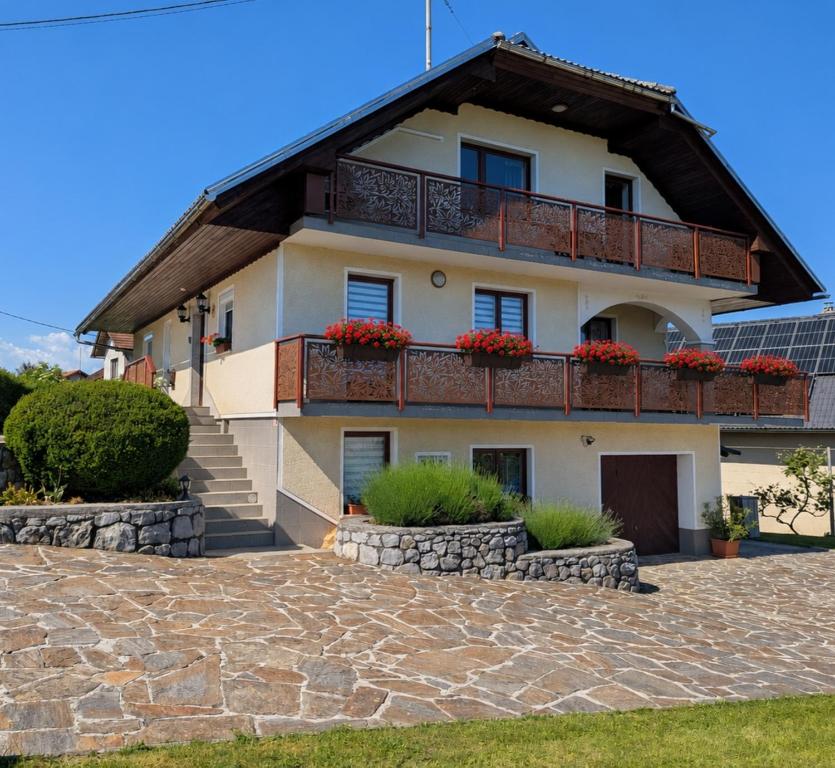
Grosuplje combines a practical railway town with villages, forested hills and a landscape shaped by disappearing water. Stay for a guided cave visit, a walk around Cerovo or Radensko polje, then an evening at a beekeeping farm or a cottage with its own terrace. The town works for a short stop with meals and transport nearby.
Brvace, Perovo and the Šmarje-Sap side offer different village settings, while Ponova vas and the woods beyond the karst field favour a slower stay with a kitchen. Your main choice is how much driving you want between your accommodation, dinner and the countryside.
Common questions
How many nights should I stay in Grosuplje?
Two nights let you combine the cave and Cerovo with a separate walk around Radensko polje or Magdalenska gora. A third gives you time to enjoy a rural house or include Ljubljana without filling every day with driving. For a single overnight stop, the town is easier when you need transport, a meal and a straightforward departure. A beekeeping visit or a private sauna makes a countryside stay more worthwhile when you leave time for it. Check the dates of guided visits before deciding which nights to book.
Can I visit without a car?
Grosuplje has rail links on the Ljubljana–Novo Mesto route, and LPP bus 3G connects Ljubljana with Šmarje-Sap, Brvace and Grosuplje. Use the current SŽ and LPP planners for your date, exact stop, return service and any replacement transport. Stay close to town services if you want to manage most evenings on foot. The cave operator describes an E6 walk from the town library and tourist office taking about two hours each way; from Spodnja Slivnica station the walk is about an hour and a half. These are walking outings, so leave time for the tour and return journey. Rural lodging may still need an arranged transfer.
What should I know before visiting Županova jama?
The cave is visited with a guide. Its seven chambers involve uneven ground, slippery sections and many stairs; the operator lists 478 steps and recommends some basic fitness. Wear footwear with grip and take warm layers, including in summer. The entrance chamber can be colder than the rest of the cave, and winter ice may change arrangements. Regular tours run daily in July and August; during the rest of the year they concentrate on weekends, public holidays and school holidays. Confirm your date and language directly. This is a separate excursion from town, with visitor parking at the cave.
How can I combine Tabor above Cerovo with a walk?
Tabor surrounds St Nicholas's Church with defensive walls and towers built to shelter local people. The tourism office's 2026 programme offers regular visits on weekends and public holidays from April to October, with group visits outside the normal calendar by arrangement. The 5.2 km Kingfisher circular nature trail starts at Cerovo, passes meadows and woodland, climbs towards the cave and Tabor, then returns to the village. Allow roughly two to three hours for the walk and extra time for visits. Entry to the cave or fortified church is separate. Vodomčev gaj is a guided nature attraction, with regular visits from May to October; walking the public trail does not provide independent entry to it.
Can I walk across Radensko polje in any weather?
Ask about current water levels before setting out. The park's streams, springs and sinkholes can turn a dry-looking route into a flooded one after rain, and it may be impossible to cross the whole field. Keep to established paths and leave cars on public parking areas outside the protected field. Frog House at Mala Račna introduces the changing waters and wildlife beside the Šica spring. Its published calendar allows weekend visits in both seasons; Tuesday-to-Friday visits need advance contact in summer and are for prearranged groups in winter. Check the current notice before making a special journey.
What is worth seeing around Šmarje-Sap and Magdalenska gora?
Magdalenska gora is a hill with a long history of settlement, visible burial mounds and the Church of St Magdalene at the top. The interest is the landscape of an Iron Age community and the later church, so ask the tourist office about interpretation or a guided visit. Choose a route appropriate to the weather and your walking ability. In Šmarje-Sap, Turenček preserves part of the defensive complex beside the Church of the Nativity of Mary. Confirm access if you want to enter buildings. These places make a separate outing on the northern side, rather than an extra stop on every southern cave itinerary.
Which base works for families, meals and slower evenings?
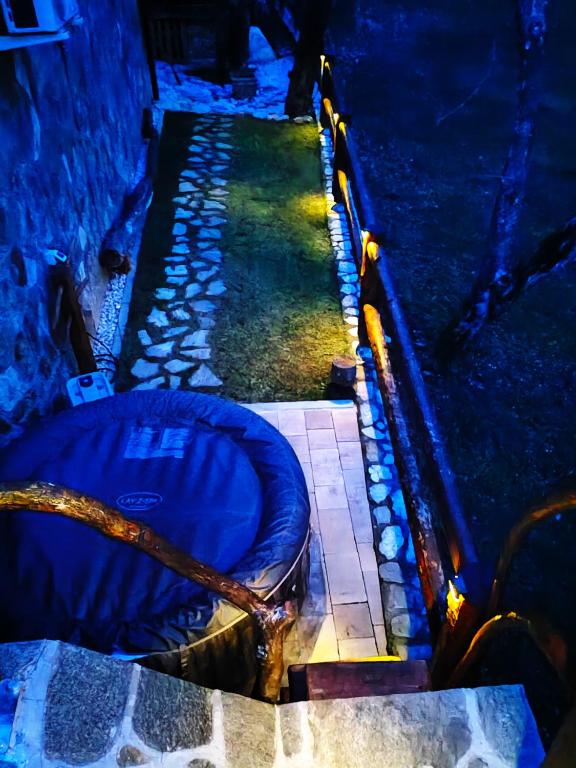
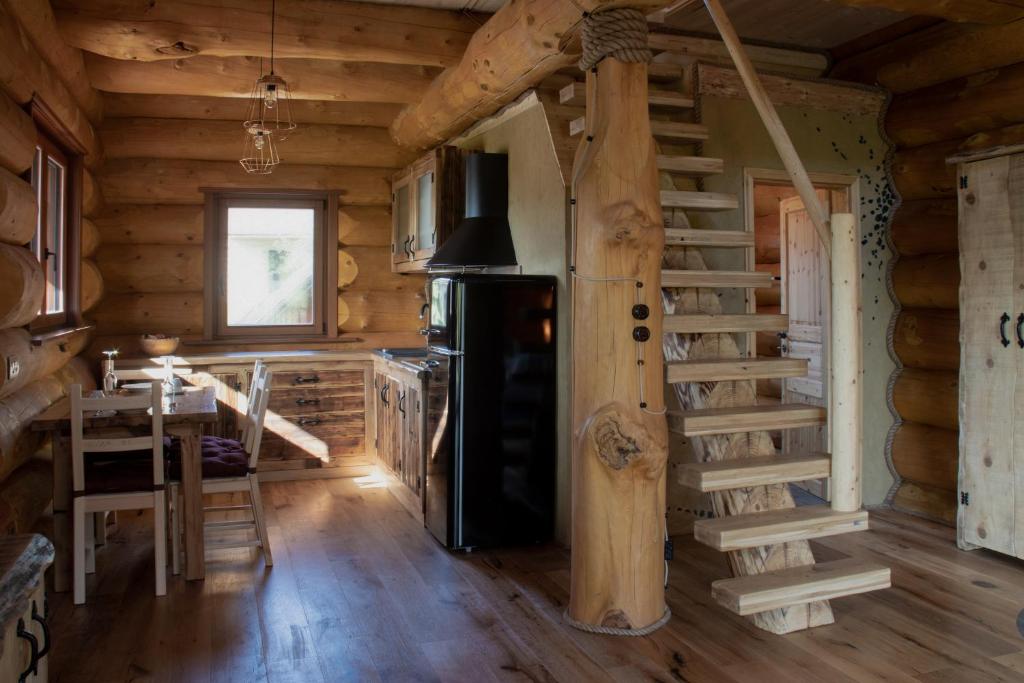
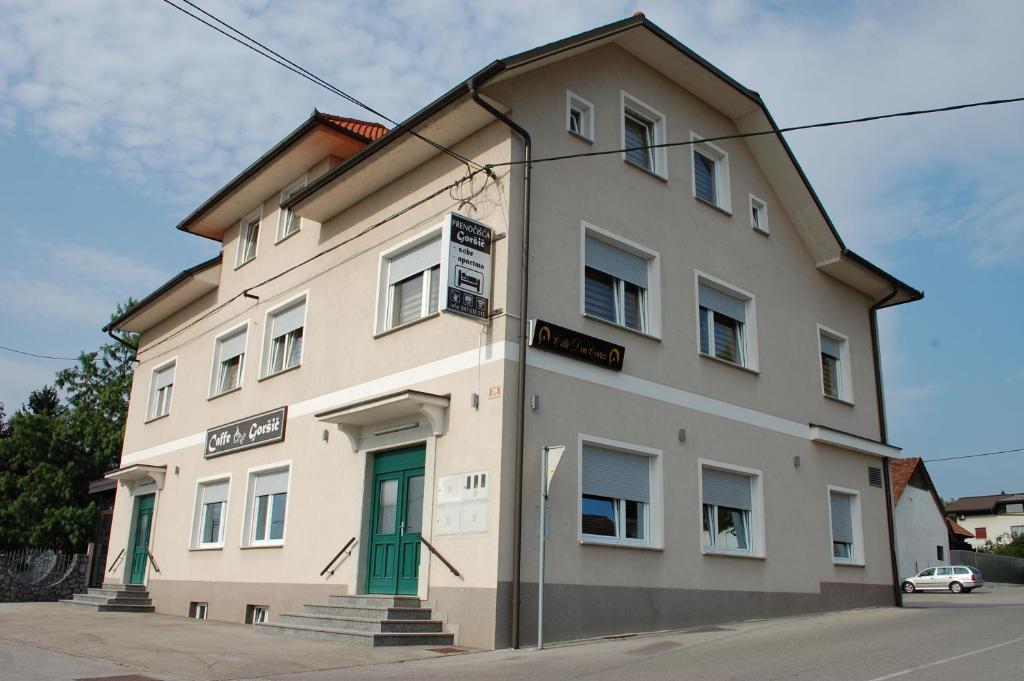
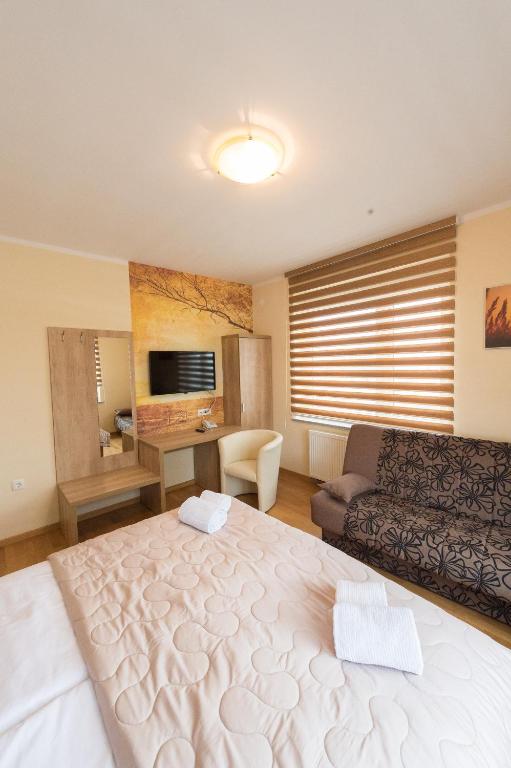
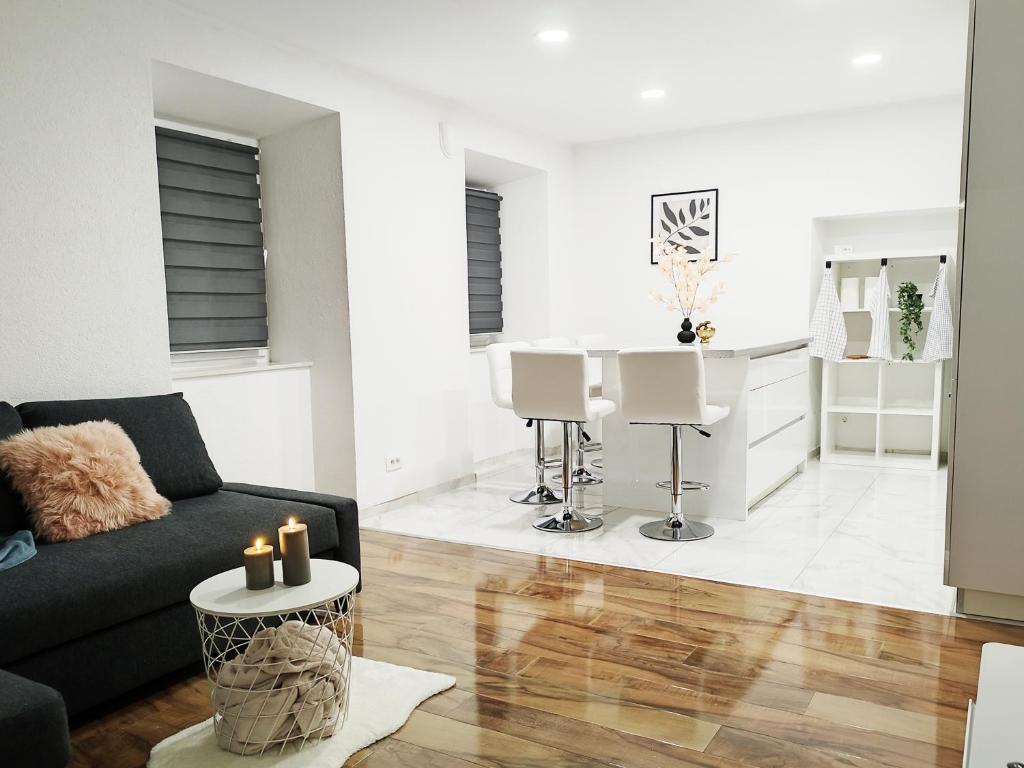
A town room is useful when you want to eat out and keep arrival simple. An apartment in Ponova vas offers more control over meals, laundry and bedtime, provided the bedrooms and stairs suit your group. Buy supplies before settling into the more distant forest villages. Koščakov hrib gives families an outdoor break near town, while the nature trail and Frog House add outings with different levels of effort. Check cave steps and walking distances against your children's abilities. For a bee-themed stay, confirm the exact sleeping space, kitchen location and activity arrangements; for a cottage, check how the sauna or hot tub is prepared and used.
What changes between seasons?
Summer brings daily scheduled cave tours and more opportunities to sit outdoors, but forest accommodation still needs a check on cooling and insect screens. Spring and autumn can suit walking when the ground is passable; rain can flood Radensko routes, and guided attractions follow different calendars. Tabor's regular season ends in October, as does the usual Vodomčev gaj programme. The cave remains visitable in winter on a reduced schedule, subject to its current conditions. Frog House has winter weekend visiting and group arrangements on weekdays. For a winter cottage stay, confirm heating, the approach road and meal supplies before travelling.
Prices are set by the booking site. We may earn a small fee, at no cost to you.