About Ribnica
Ribnica is a small town between the wooded ridges of Mala gora and Velika gora, known for wooden household goods and pottery. An overnight stay gives you time for the craft exhibitions, a walk beside the Bistrica river and a village visit arranged with local hosts. Add a second night for a workshop or a longer hill walk.
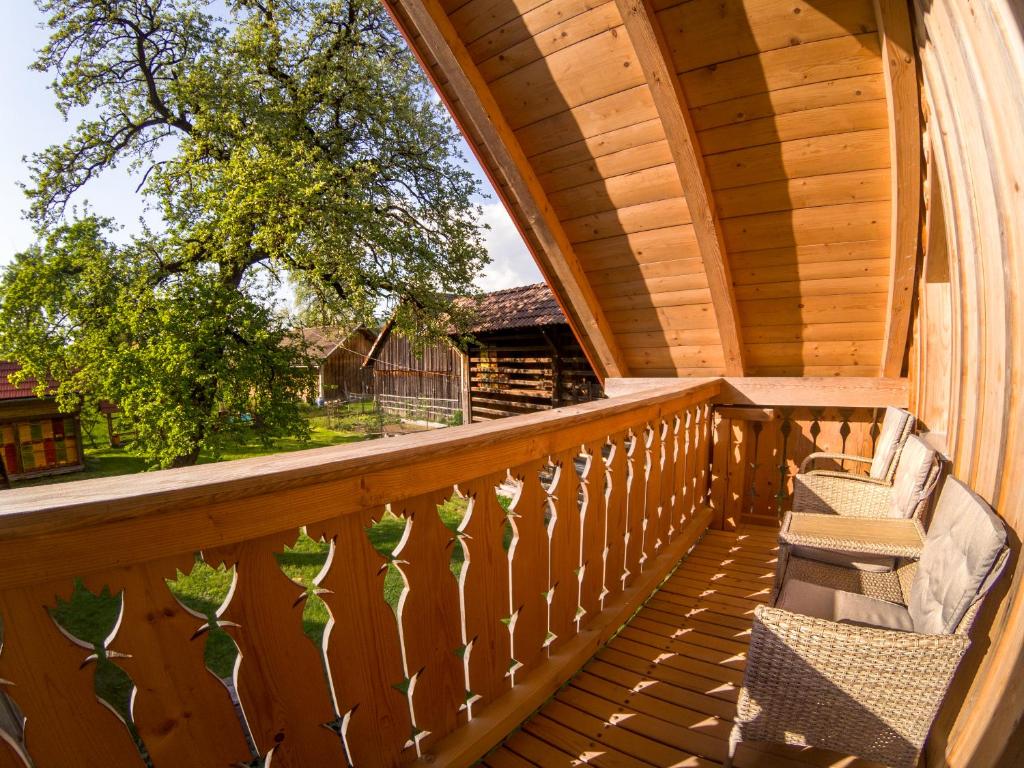
The centre keeps shops, cafés and the castle close together; adjoining Hrovača offers restored rural buildings and beekeeping stays. Sajevec and the western villages suit a slower garden holiday, with more planning needed for meals and transport.
Common questions
How many nights are useful in Ribnica?
One night gives you the town, river and a museum visit if opening arrangements fit. Two nights leave time for a booked craft experience, Hrovača and a walk into the surrounding hills without squeezing everything into one afternoon. Add longer countryside stays when the accommodation's garden or cooking space is part of the plan. Reserve demonstrations and host-led visits before fixing your schedule. The valley is especially rewarding when you meet its makers, rather than only photograph the castle and move on.
Can I arrive and stay without a car?
Ribnica is on the Ljubljana–Grosuplje–Kočevje railway route and has bus connections along the Ljubljana–Kočevje corridor. Check the operator's timetable for your exact date, including changes and the return journey. A central room works well for the castle, cafés, gallery and Handicraft Centre. Compare its address with your arrival stop and arrange any luggage transfer in advance. Hrovača may still work for a walking trip, but western villages and hill routes need a more deliberate plan for pickup, cycle hire or driving.
When should I go, and what changes outside summer?
The castle exhibitions normally open daily from May to September; in the other months, visits are by arrangement. The Handicraft Centre has a separate schedule, with winter Sundays and public holidays requiring advance arrangements for groups. Confirm both when planning a wet-weather day. The woodenware and pottery fair traditionally fills the town on the first Sunday in September, with demonstrations and local food; check the programme for your year and reserve nearby rooms ahead. For walks, choose weather and daylight that suit your route.
Can visitors try a craft or visit a working workshop?
The Handicraft Centre offers demonstrations of woodenware and pottery processes, and hands-on work with an artisan can be arranged in advance. It can also organise visits to makers' own workshops. Ask about language, group size, children's participation and the time needed before reserving. The exhibitions explain how local wood and clay became household goods carried far beyond the valley by peddlers. Prigorica and Dolenja vas remain associated with pottery; buy directly or through the museum shop when you want to know who made an item.
Which walks are suitable for a relaxed visit?
Start with the landscaped Bistrica riverside and castle grounds. The tourism office also describes a relatively easy forest walk to the source of the Ribnica river, with route details in its hiking booklet. The Mala gora outing is a proper uphill walk: St Ana's Church stands around 920 metres above sea level, while nearby Stene svete Ane reaches about 964 metres. Choose a marked route, check the hut's operation and allow for the return. Stay on designated paths and do not feed or disturb forest animals.
Is cycling practical, and how does bike hire work?
The Ribnica Circular Trail uses small red signs and is described by local tourism as a comparatively undemanding route suited to mountain or trekking bikes. Other published rides have different surfaces and demands, so check the route map before choosing a bicycle. Private e-bike rental is listed around the valley. The Ricikel public-bike system requires registration, a user card and a PIN; its published registration rules also ask for identity and tax-identification details. Visitors should check eligibility and registration access before relying on it for arrival day.
What local food should I look for?
Ask whether an inn is serving ribn'ška trojka, a stew based on local ribn'čan beans, yellow carrots and kohlrabi, sometimes with potatoes. The bean variety is associated with Hrovača. Ribn'ška povanca is a local dessert made with milk, butter and cream, and beekeeping households offer another connection to the valley's produce. These are regional traditions, not a promise that every restaurant serves every dish daily. Confirm meals, opening days and any honey tasting before arrival, especially when staying in a village or planning an early walk.
Prices are set by the booking site. We may earn a small fee, at no cost to you.