About Pivka
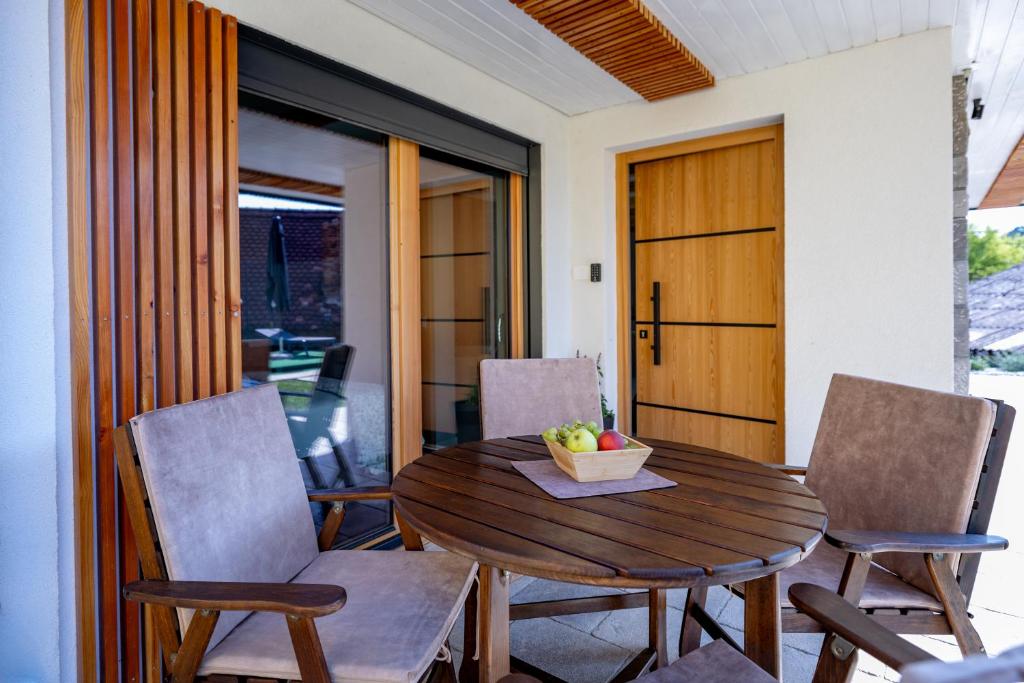
Pivka sits in a karst valley where a lake can become a meadow as groundwater falls. Walk from a village towards a seasonal lake, spend time among the tanks and aircraft at the Park of Military History, then return to an apartment kitchen or a house with a terrace. Two or three nights suit this rhythm better than a detour from Postojna.
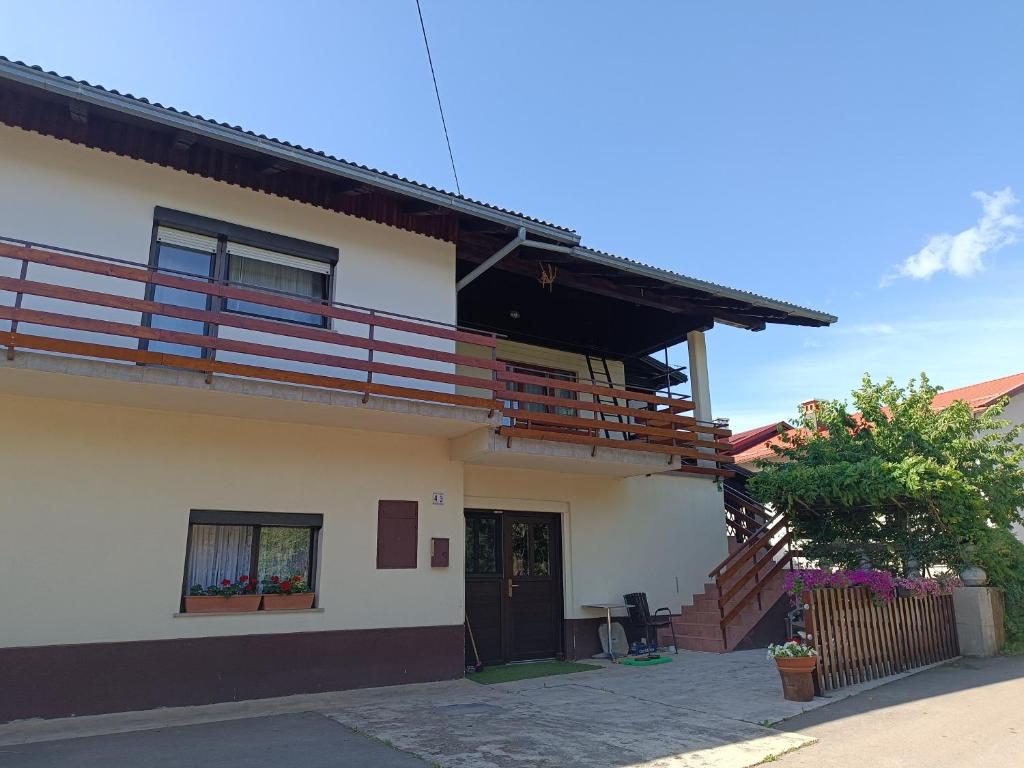
Choose the town for rail access and everyday shopping, Petelinje, Klenik or Palčje for the lake country, or Neverke and the Košana villages for a quiet base with a car.
Common questions
How many nights should I spend in Pivka?
Two nights allow a substantial military-museum visit and a separate day for the Ecomuseum and a lake walk. Three nights leave room for DINA, a longer hill outing or simply using your house's garden and kitchen. For a single night, choose one main attraction and match your accommodation to your onward route. Postojna and other karst sights are separate excursions, so avoid fitting every cave and museum into one day.
Can I visit without hiring a car?
A town-based visit is possible by rail. Pivka's tourist office describes regular direct trains from Ljubljana taking a little over an hour and a half, with faster services on some departures. The military museum is about a kilometre from Pivka station. Use the current Slovenian Railways journey planner: works can bring replacement buses, including on the onward route towards Ilirska Bistrica and Rijeka. Arrange a taxi or suitable cycle plan for village accommodation and lake outings, including the return. Check bicycle carriage separately if replacement transport is involved.
Will there be water in the lakes?
Not necessarily. The Upper Pivka valley has seventeen seasonal lakes, formed when groundwater rises after rain; many basins later become meadows. Palško is the largest, while Petelinjsko generally retains water longest. The season gives only a rough clue, so check the tourist office's current information and lake webcams close to your visit. Dry basins still reveal the karst landscape, but the experience is a walk through changing country rather than a guaranteed waterside holiday.
Which walks suit a short stay or children?
The tourist board describes seven themed routes between the lakes, including a short Palčje route suitable for small children. Ask for a current map and choose by distance and conditions. The two routes from Trnje towards Petelinjsko and Palško can be linked into roughly twenty kilometres, so they are not a casual family stroll. Sveta Trojica is a hill outing: approaches vary from about forty-five minutes to two hours forty minutes, with a height difference of around five hundred and sixty metres on some approaches. Allow time for the descent and choose footwear for the actual ground.
How should I plan the Park of Military History?
The museum occupies former barracks at Kolodvorska cesta 51 in Hrastje, with tanks, artillery, aircraft and railway heritage alongside displays about Slovenia's path to independence. Give the collections a proper visit rather than treating them as a quick photograph stop. Entry inside the P-913 submarine and P-111 police boat requires advance booking; the submarine visit is guided and has a separate admission arrangement. Winter visiting hours are shorter. Confirm the current programme and interior bookings directly with the museum.
What is the difference between DINA and the Ecomuseum?
DINA, inside Krpanov dom on Prečna ulica 1, uses interactive displays to explain bears, wolves, lynx and coexistence with people; it is an interpretation centre, not a place to see captive animals. The Ecomuseum at Slovenska vas 10 focuses on the seasonal lakes and how water shapes local life. They complement each other on a mixed indoor-and-outdoor trip. Outside July and August, weekday Ecomuseum visits are generally by appointment, while weekends have regular opening. Confirm arrangements before driving out.
How does the stay change by season?
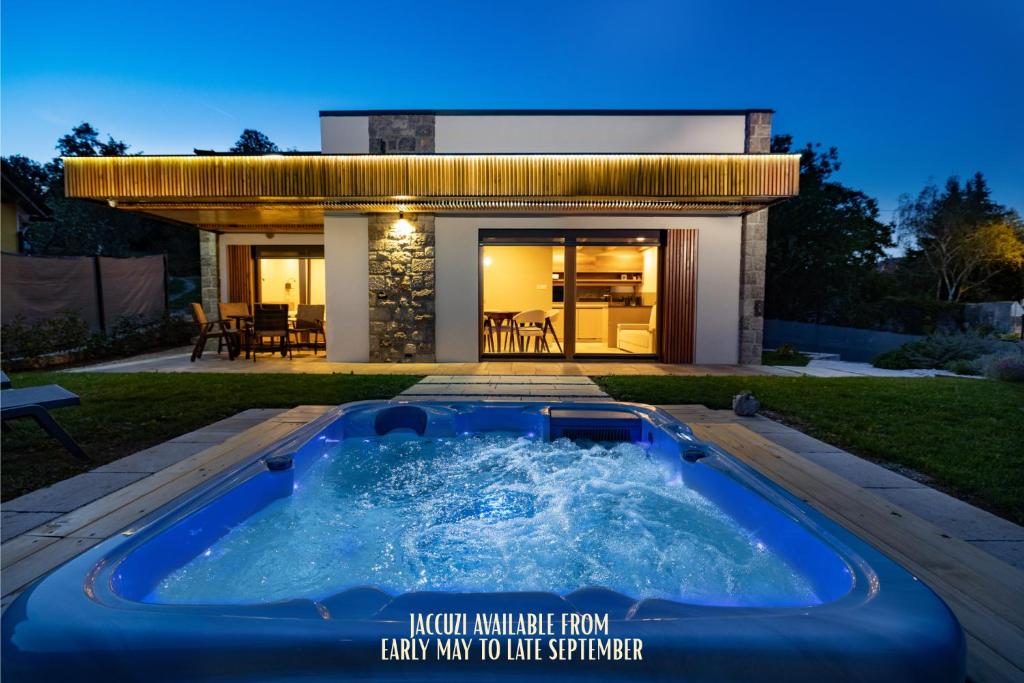
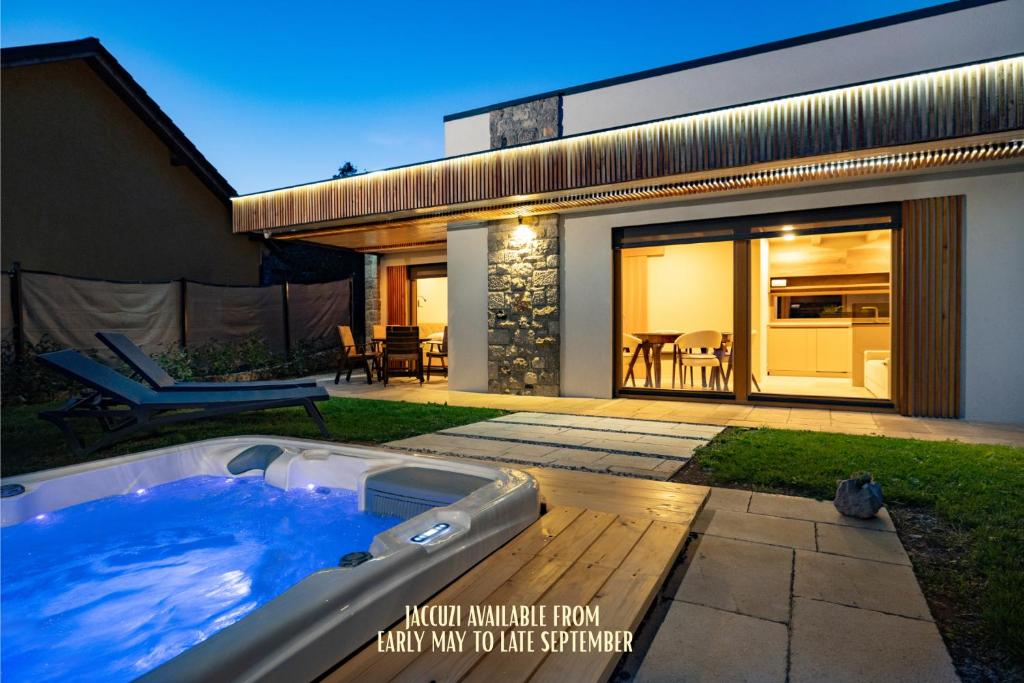
Spring and autumn can suit walks and the changing lake landscape, but rainfall and groundwater matter more than a promised calendar date for water. Summer favours terraces and longer outdoor days; confirm cooling in the rooms you will actually sleep in. Winter brings shorter museum hours and more demanding conditions on hill routes, so build the day around confirmed access. The military museum, DINA and the Ecomuseum list closures on Christmas Day and New Year's Day. A garden hot tub or other outdoor facility needs a separate check for your stay.
What should families check before choosing accommodation?
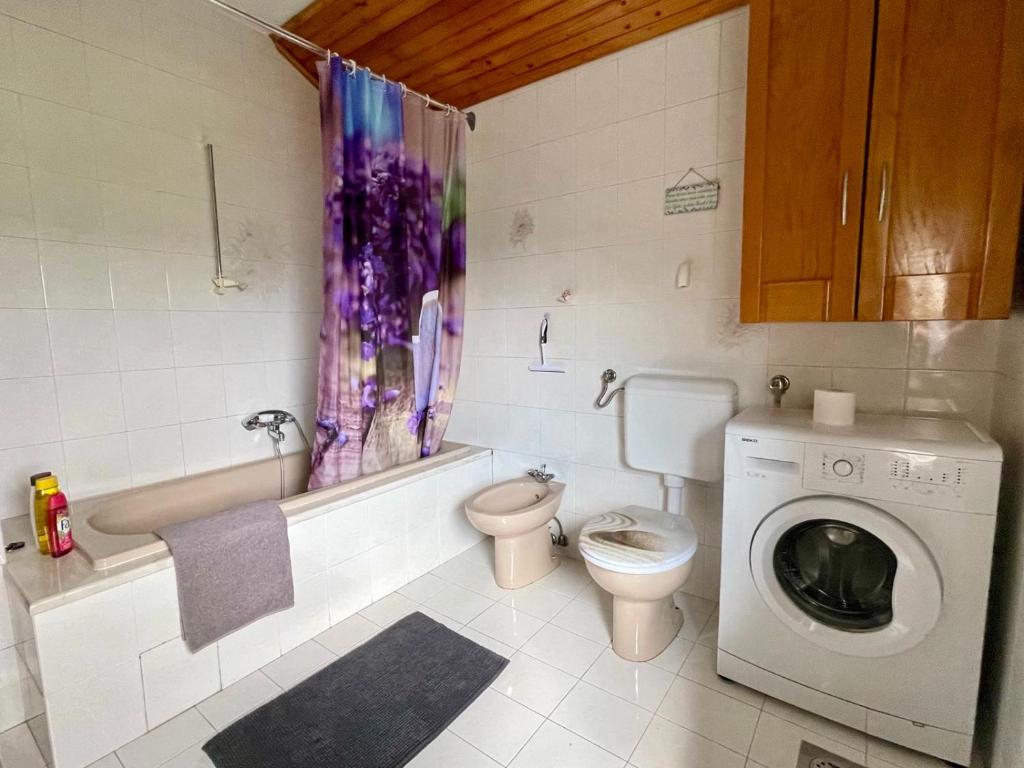
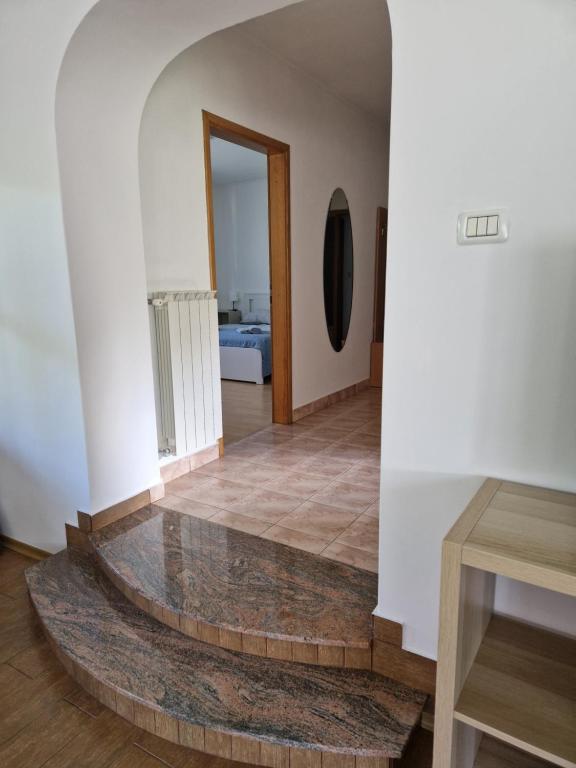
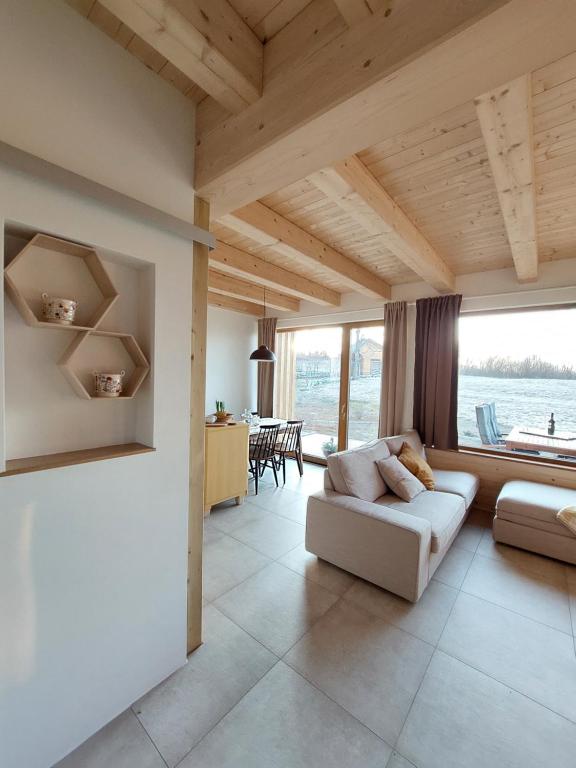
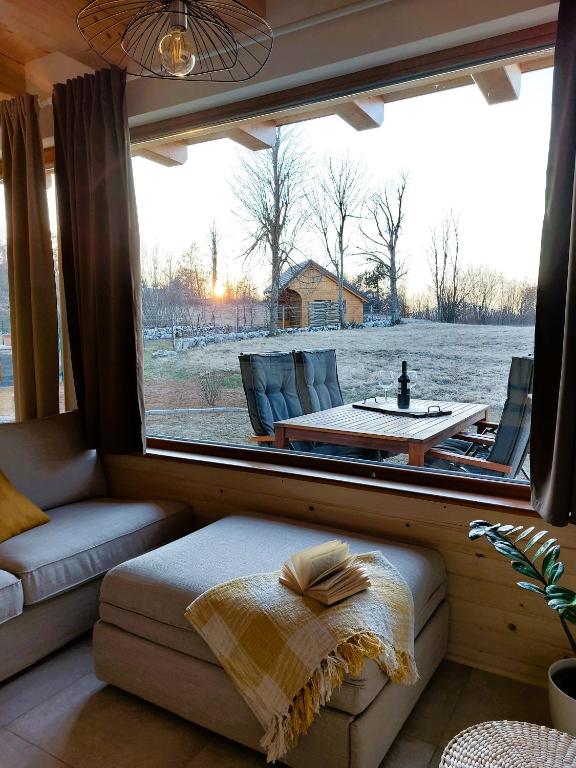
Separate bedrooms, stairs and bathroom count matter more than the headline number of guests. A four-person studio or compact one-bedroom house may use a sofa bed, while a larger apartment can still have only one bathroom and air-conditioning limited to its living room. Ask about the actual layout, parking and cooking equipment. A short Palčje walk and interactive museum visit work better as separate activities than as additions to a long hill climb. Village gardens are useful downtime, but they do not replace checking access for young children.
What local food should I look for?
Local cooking makes much of potatoes, beans, cabbage and turnips. Look for krompir v zevnci, potatoes with sour cabbage, or matevž, a potato-and-bean mash often served with cabbage. Preparations may include pork crackling, bacon or sausage, so ask about ingredients if you avoid meat. A village meal is best arranged ahead, especially when staying in a private apartment rather than a staffed inn. Buy groceries before heading out to a small settlement and treat host-grown vegetables or honey as something to ask about, not a promised inclusion.
Prices are set by the booking site. We may earn a small fee, at no cost to you.