About Sutherland
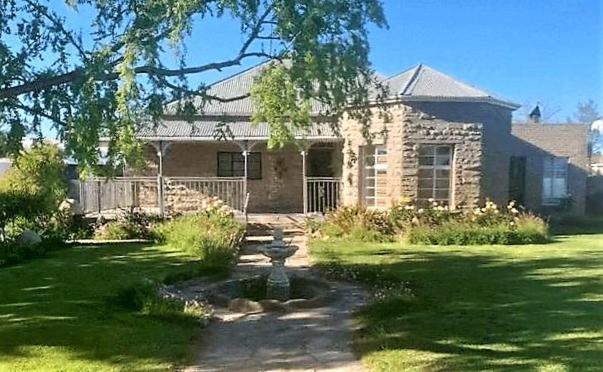
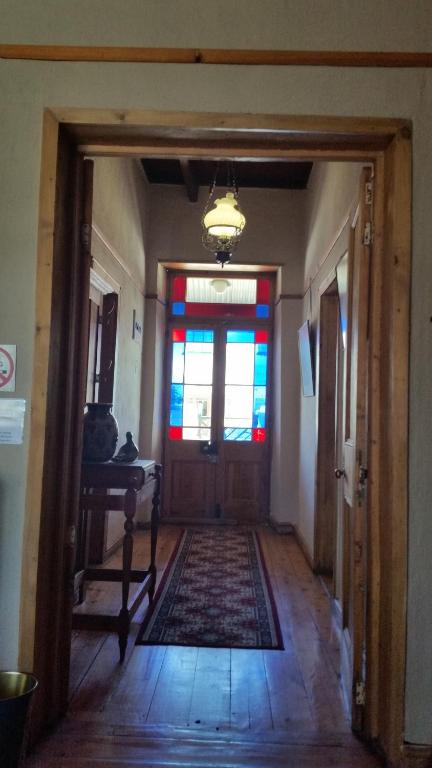
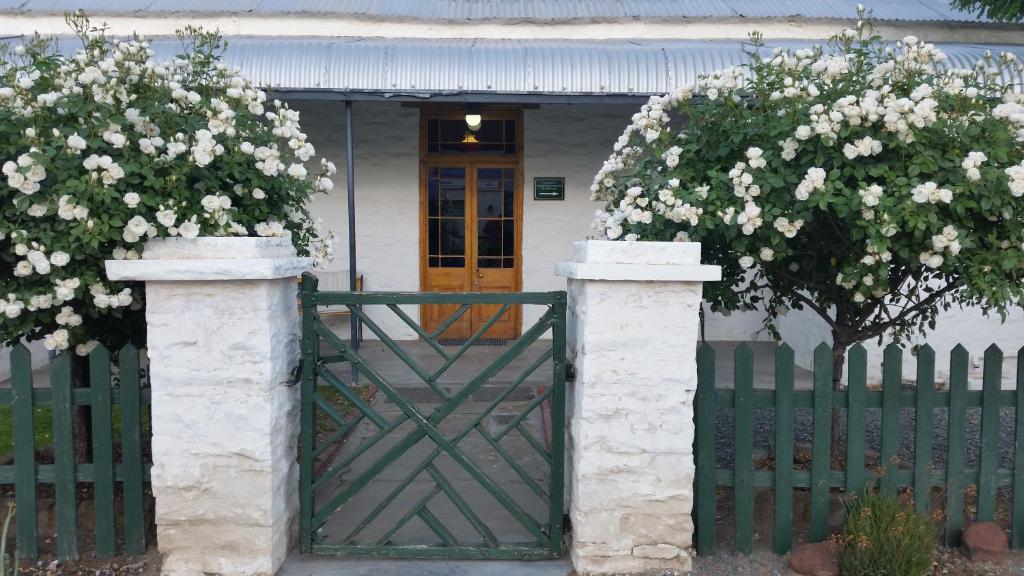
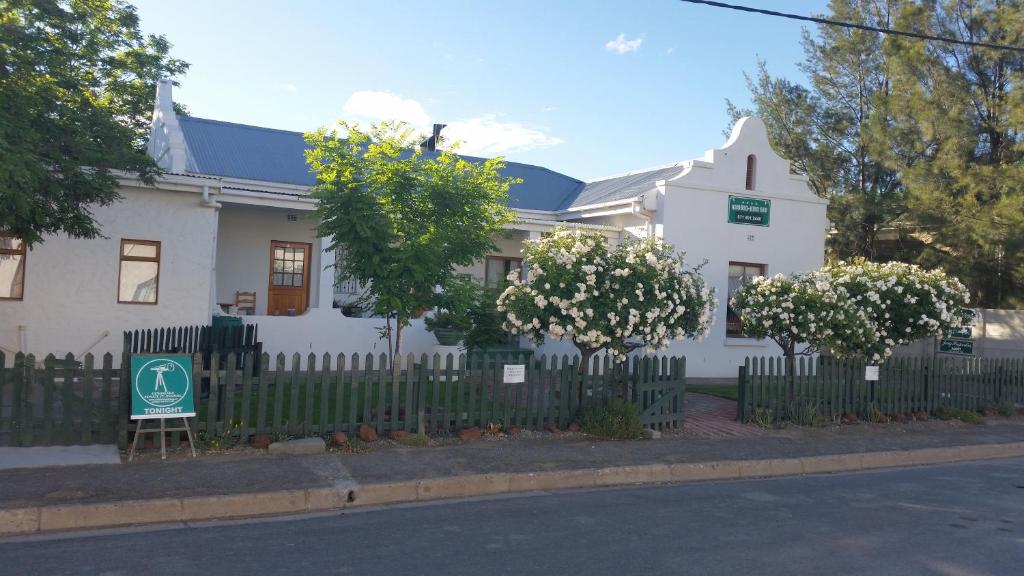
Sutherland is a small Northern Cape village where an overnight stay makes room for evening astronomy as well as daytime visits. A warm place to return to matters as much as a view: the choice ranges from rooms in an old main-street guesthouse to a whole Victorian house, compact private units and cottages just beyond the village.
Plan the observatory reservation and the accommodation together, especially if you will return after dark. The three settings below belong to one small base, with central Piet Retief Street, nearby residential lanes and the immediate northern farm approach offering different ways to spend the hours between outings.
Common questions
How many nights should I stay in Sutherland?
Two nights make a useful plan if you want a daytime observatory visit, an evening session and time around the village or a farm cottage. A second evening gives you some flexibility if weather interrupts observing, but check the operator's calendar before choosing your nights. One night works for a focused visit when your reservation, dinner and late return are already arranged.
Should I stay in the village or on the nearby farm?
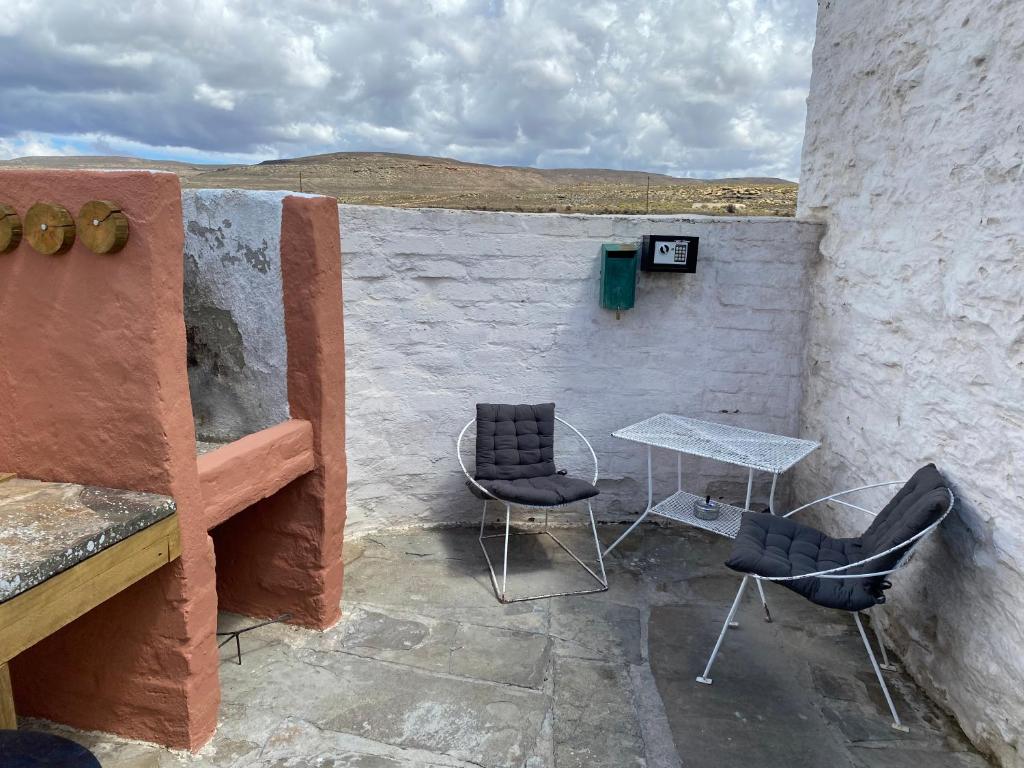
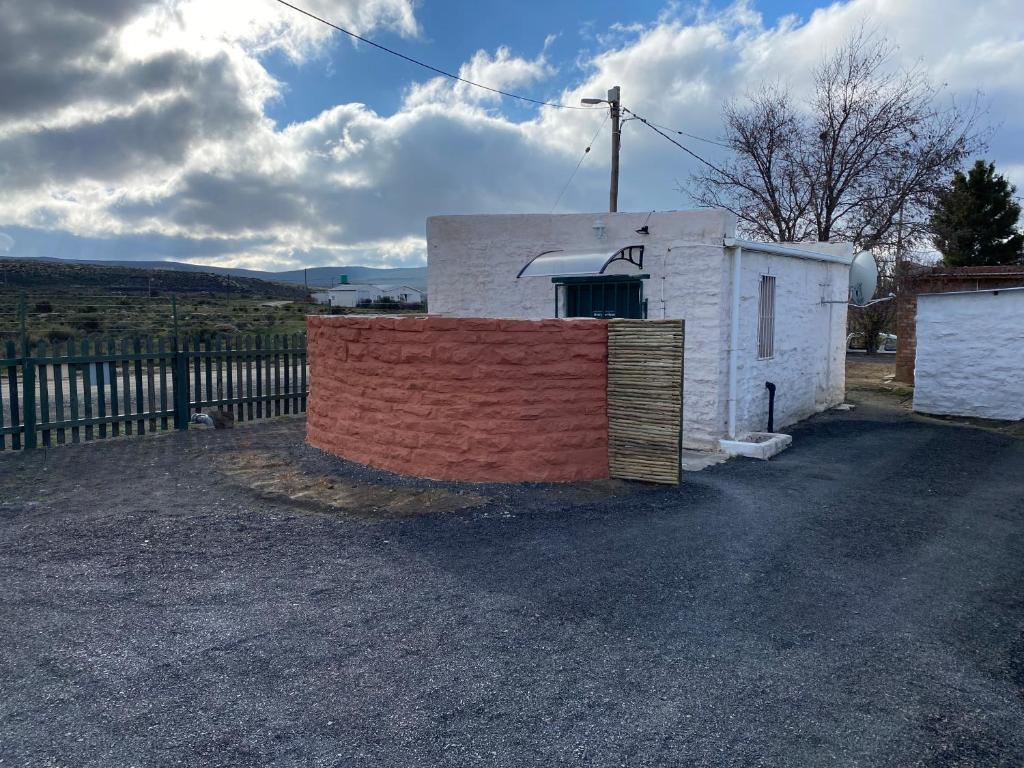
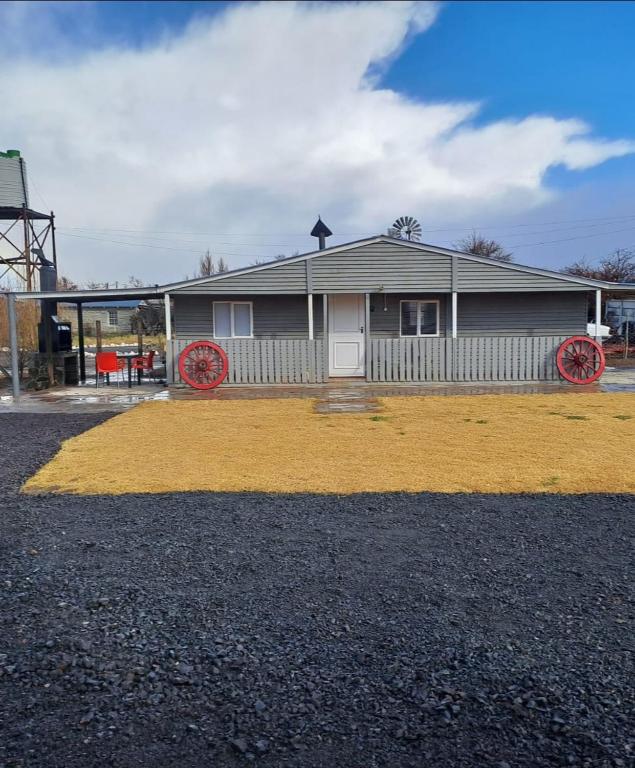
Piet Retief Street suits a room-based stay with village food close by; the adjacent Theron, Plein and Basson lanes offer private units and a three-bedroom house. The northern farm gives you more time around the cottage and stoep, with different kitchens and power arrangements in each house. This is one compact base: choose the layout and evening routine you want, then check the actual driveway and key collection.
How do I reach Sutherland from Cape Town?
The locally described route follows the N1 to Matjiesfontein and then the tarred R354 to Sutherland. Obtain your host's final directions, particularly for a farm cottage, and agree an arrival time before setting out. Basic groceries and fuel are available in town, but opening hours can be limited, especially on Sundays; bring specialist supplies and avoid depending on a late fuel stop.
Can I manage without a car?
The small village centre is suitable for short walks, but SAAO's research site is outside town on Old Fraserburg Road and farm accommodation has its own final access. Without a car, arrange both your arrival and the return ride from an evening session before booking. Do not assume a room includes an observatory shuttle or that transport will be waiting when the telescopes close.
Will an evening tour let me look through SALT?
No. SAAO's night programme uses dedicated visitor telescopes near the Visitor Centre, with no night visits to SALT or the other research telescopes; do not drive up toward the research domes after dark. Day tours currently have morning and afternoon sessions Monday–Saturday, subject to the booking calendar and access restrictions. Reserve the daytime visit and night programme as the distinct experiences they are.
How should I book stargazing, and what if it is cloudy?
SAAO requires advance online reservations and payment; its published evening programme runs on Monday, Wednesday, Friday and Saturday, with sessions lasting about ninety minutes and possible weather cancellations. Check the actual date and ask how the Moon and conditions affect the planned targets. The town planetarium has projected dome films as well as separate telescope sessions, while Sterland is another local observing operator with its own booking. These activities are distinct, and a dome film can be useful without promising a clear outdoor sky.
What should I expect from the seasons and the rooms?
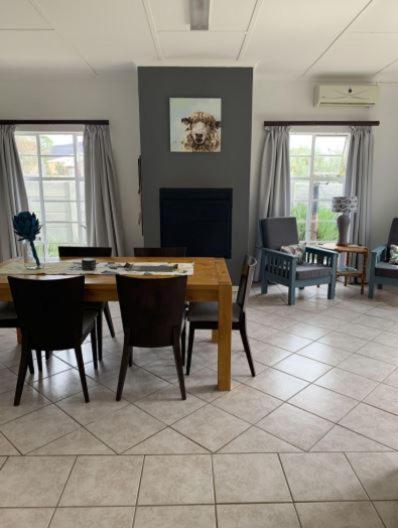
Winter nights can be freezing, summer days can be hot and an outdoor evening can feel cold in any season. Bring warm layers for observing, and check the room's heating, electric blanket and firewood arrangements rather than assuming every cottage works alike. In summer ask about ventilation or cooling as well; a fireplace is useful in winter but does not answer that question.
Which stays work for children and larger families?
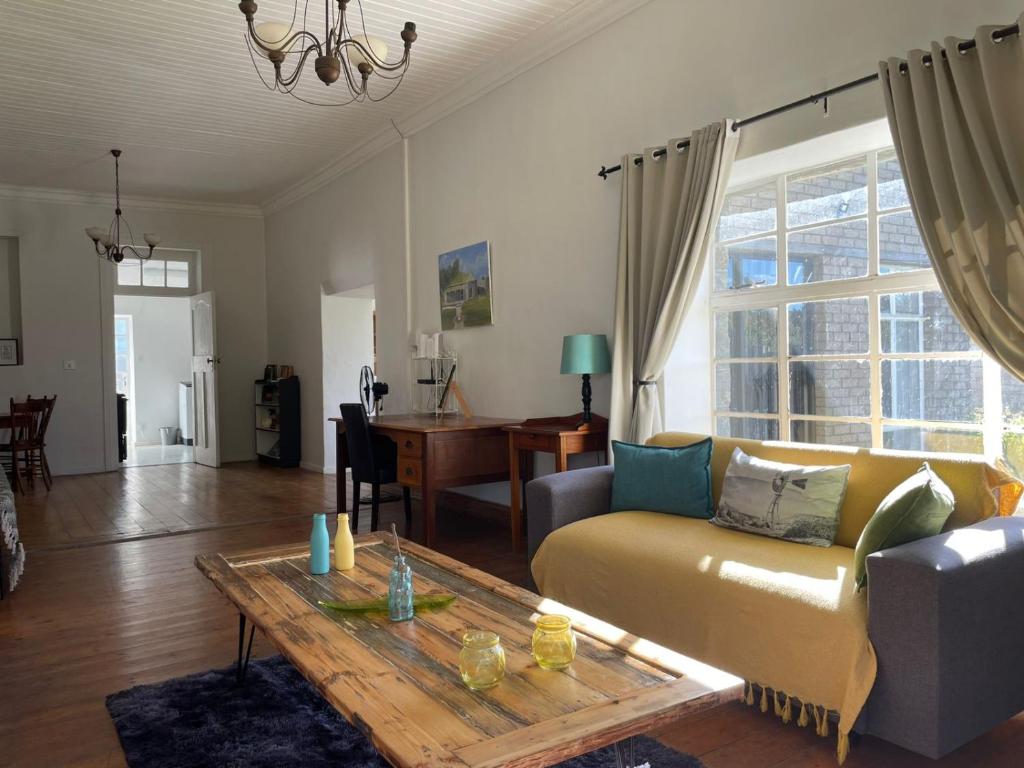
The three-bedroom village house sleeps six with two bathrooms, while the farm has two- and three-bedroom houses with en-suite bathrooms; confirm the exact house rather than simply requesting a family room. The main-street guesthouse's owner says thirteen and over, but its Booking conditions say older than thirteen, so confirm a thirteen-year-old directly. The two compact village units exclude children under their Booking conditions, and the selected properties do not offer cots or extra beds. The town guesthouse's four-person room is open plan, not two separate bedrooms.
Can I cook, bring a pet and plan a late supper?
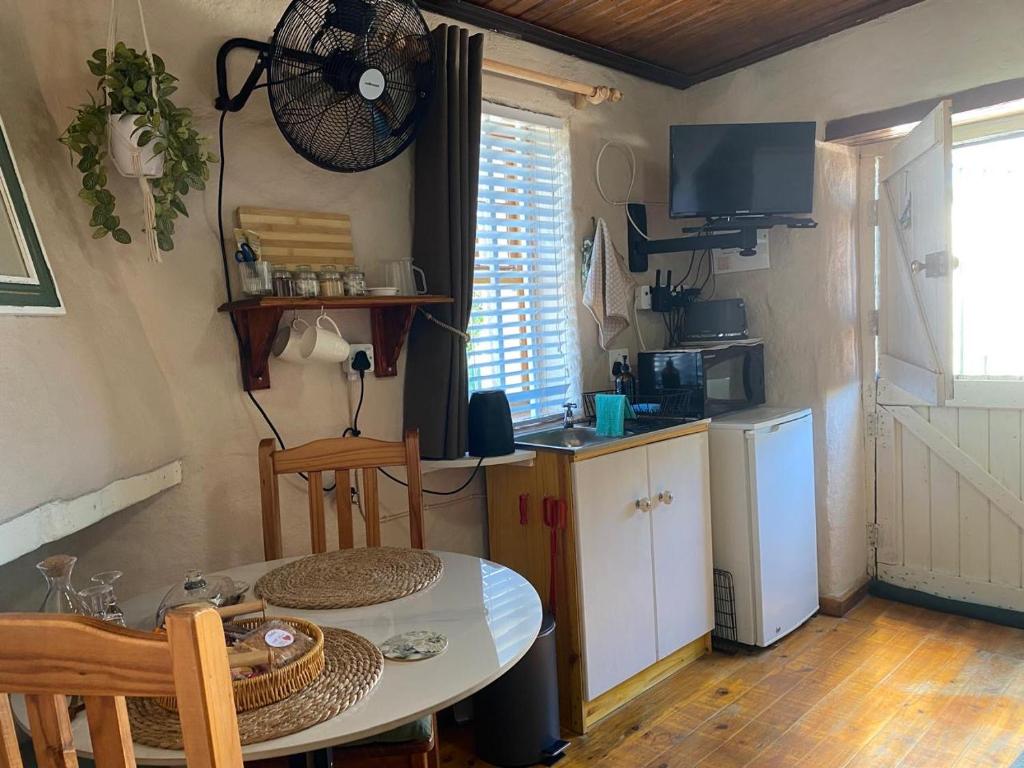
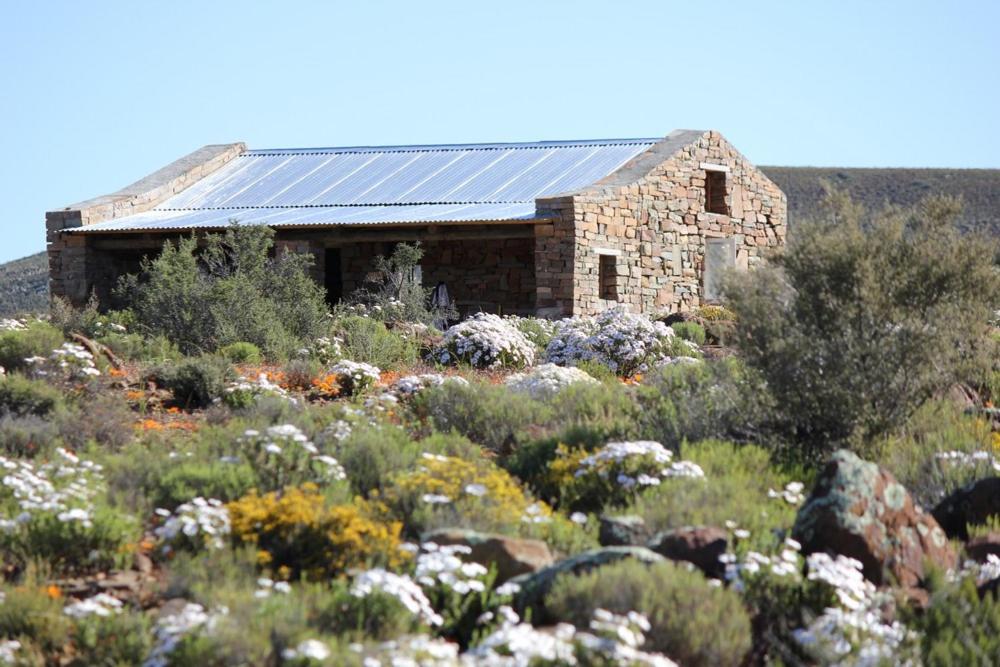
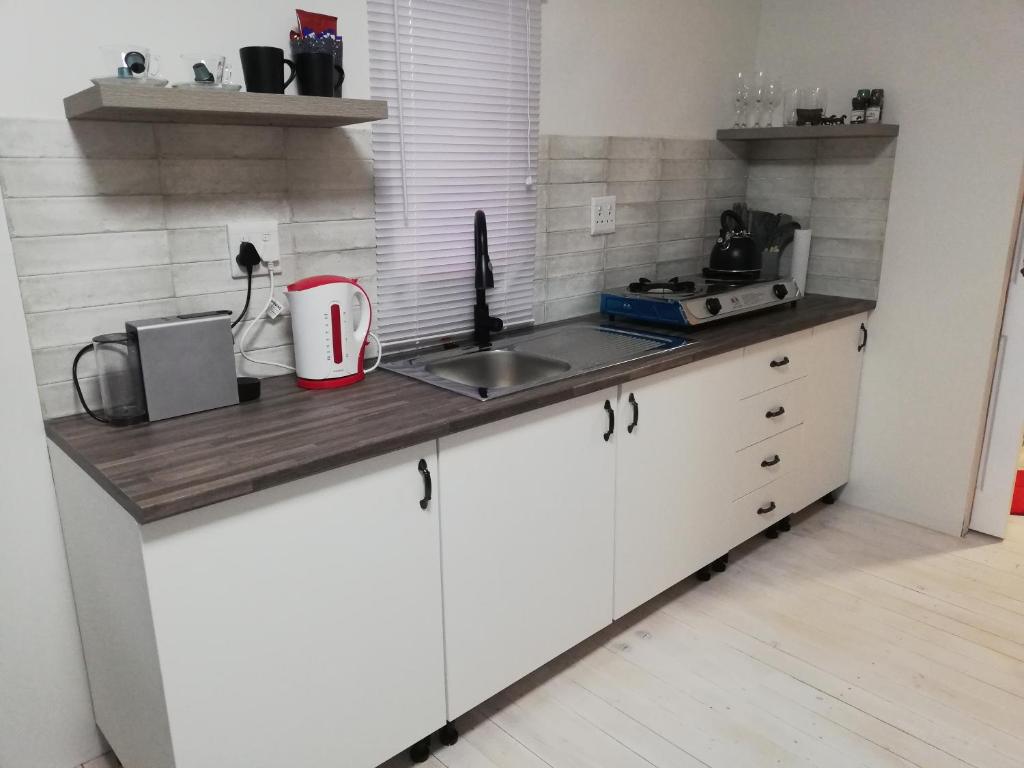
Arrange meals around the observing session: town accommodation does not automatically include breakfast, and restaurant availability should be checked before a late return. The full house and the Basson Street unit have cooking hobs and ovens; the small Plein Street annexe is better for reheating, and the gas-and-solar farm cottage has limited power and no Wi-Fi. Ask about the precise kitchen and pet policy: the farm's Booking listing excludes pets, while its owner permits certain small dogs in one particular house by prior arrangement. That exception does not allow dogs on the farm's walking or cycling routes.
What can I do between astronomy visits?
Walk around the village's heritage streets, check the planetarium's current programme or arrange a permitted outing on the northern farm. Its operator describes walking routes of about three to fifteen kilometres with a plant-and-geology booklet; permission is required, dogs are excluded and bicycles are not supplied. The Louwhuis literary centre has announced the restored Louw brothers' birthplace and museum inauguration for 21 November 2026. As checked on 19 November, that is a future event: confirm visiting arrangements instead of assuming the museum is already open.
Prices are set by the booking site. We may earn a small fee, at no cost to you.