About Goseong (Gangwon)
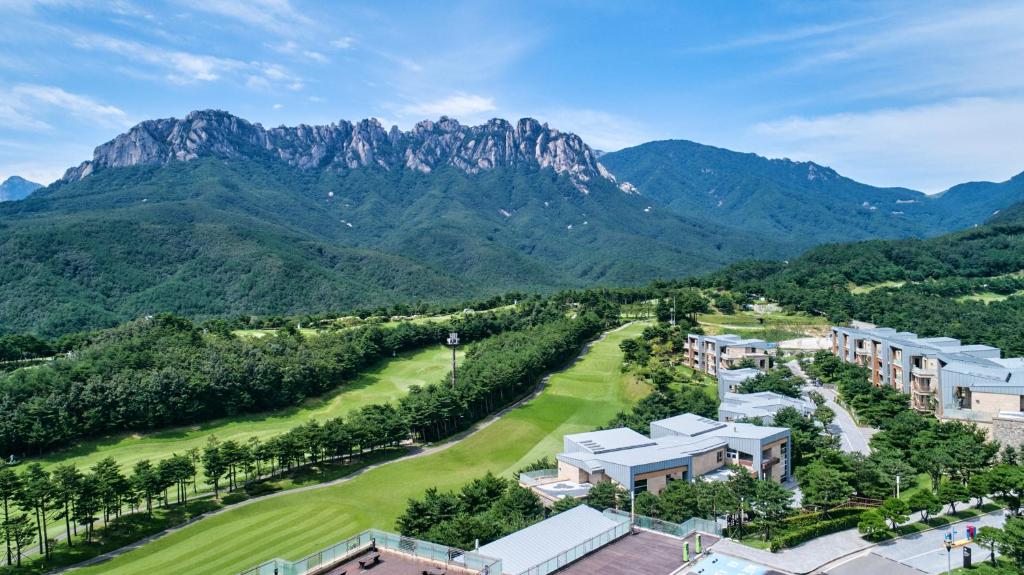
Goseong is the county at the north-eastern tip of South Korea, between Sokcho and the DMZ, where the Taebaek mountains meet the East Sea. Before 1953 it lay north of the 38th parallel.
People come for the Unification Observatory, with its view across the border to the Geumgang mountains, for Hwajinpo, the largest natural lagoon on the east coast, for pine-ringed Songji Lake, for fishing ports such as Geojin and for long, uncrowded beaches.
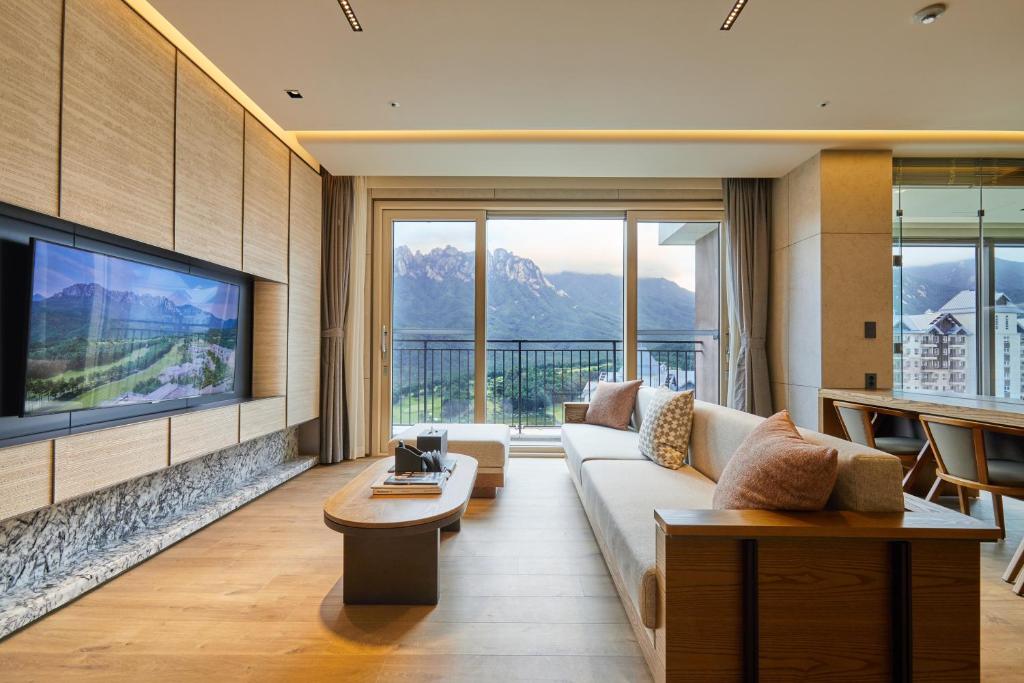
Hotels are few and spread out: the south of the county near Sokcho has the big resorts, and the middle coast around Songjiho has mostly small pensions.
Common questions
How do I visit the Unification Observatory?
Bring your passport or residence card, check in at the gate at Unification Security Park and sign the visitor log. Hours change by season (roughly 9 am to late afternoon, later in high summer), and the site can close without notice, so check before you go.
How long does it take from Seoul?
About three hours by intercity bus, or 2.5 to 3 hours by car.
Should I stay in Goseong or in Sokcho?
Sokcho has far more hotels and food. Stay in Goseong for a resort in the Toseong hills or a quiet beach night at Sampo or Songjiho, and visit the north of the county on a day trip.
Which beaches and lakes are worth seeing?
Hwajinpo, the largest natural lagoon on the east coast, Songji Lake with its pine forest, and the beaches at Songjiho, Sampo and Cheonjin.
Are there festivals?
A pollock festival at Geojin in October, a giant octopus festival at Daejin harbour in May and a lavender festival every June.
Is there a long walk along the coast?
Yes, the Goseong sightseeing trail runs 39.7 km, about 12 hours, from Jinburyeong Art Museum to Oho port.
Prices are set by the booking site. We may earn a small fee, at no cost to you.