About Estella-Lizarra
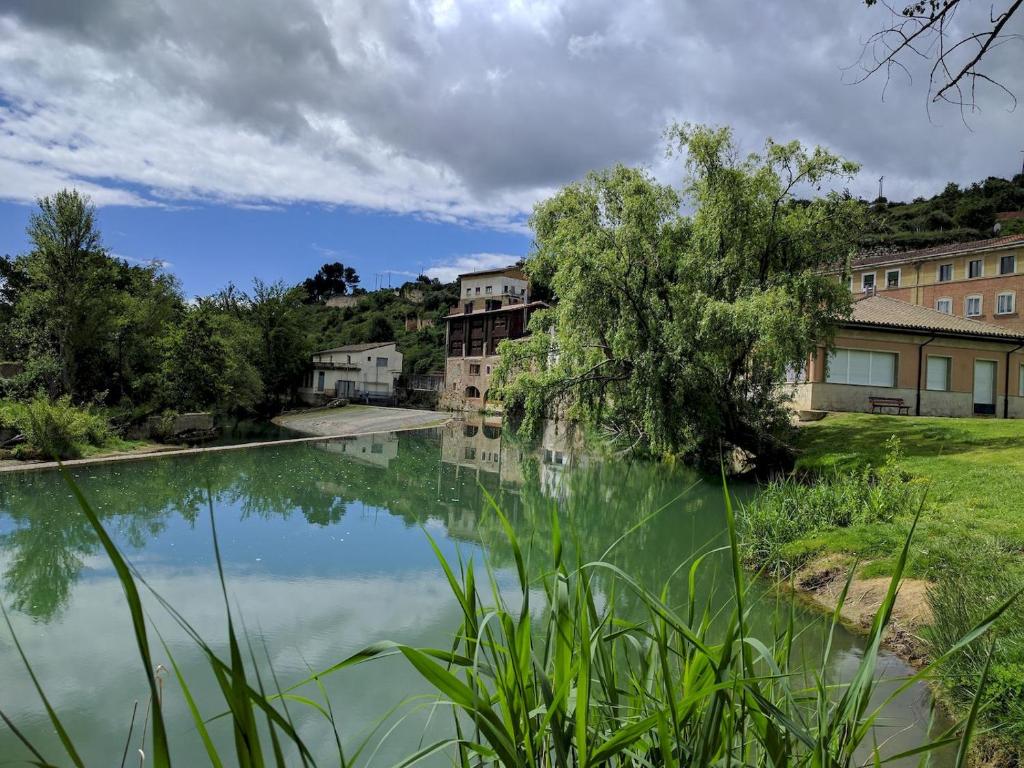
Estella-Lizarra is a place to interrupt the journey through Navarra: cross the Ega between its historic banks, climb to Romanesque churches, then return to the squares for dinner. The Camino brings walkers, but an extra night makes room for the Gustavo de Maeztu Museum, the Carlist Museum and the paths around Los Llanos park.
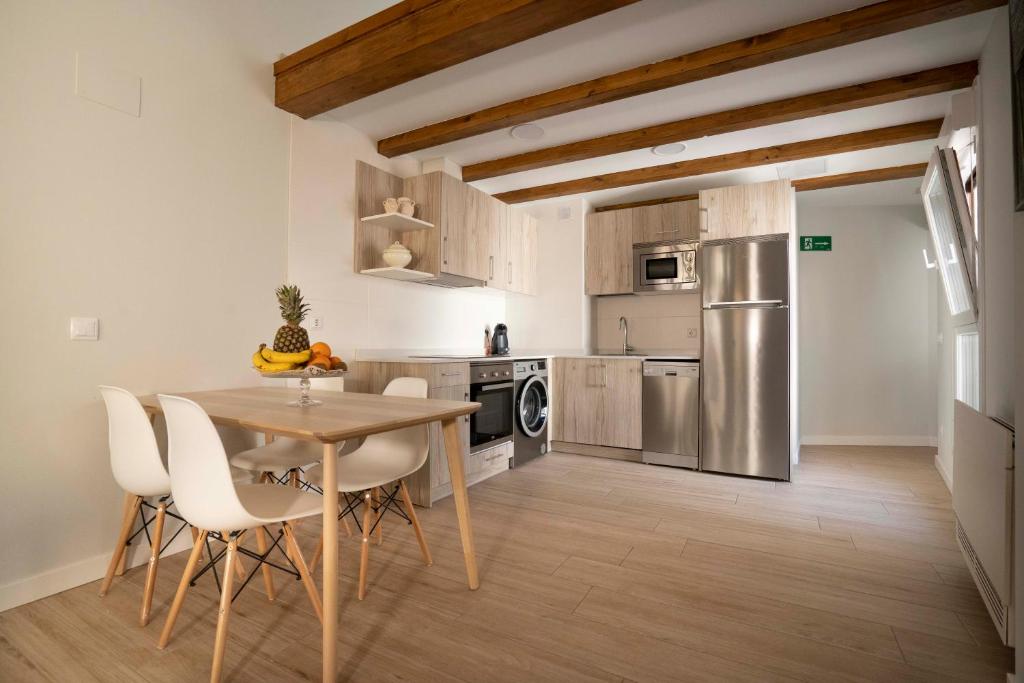
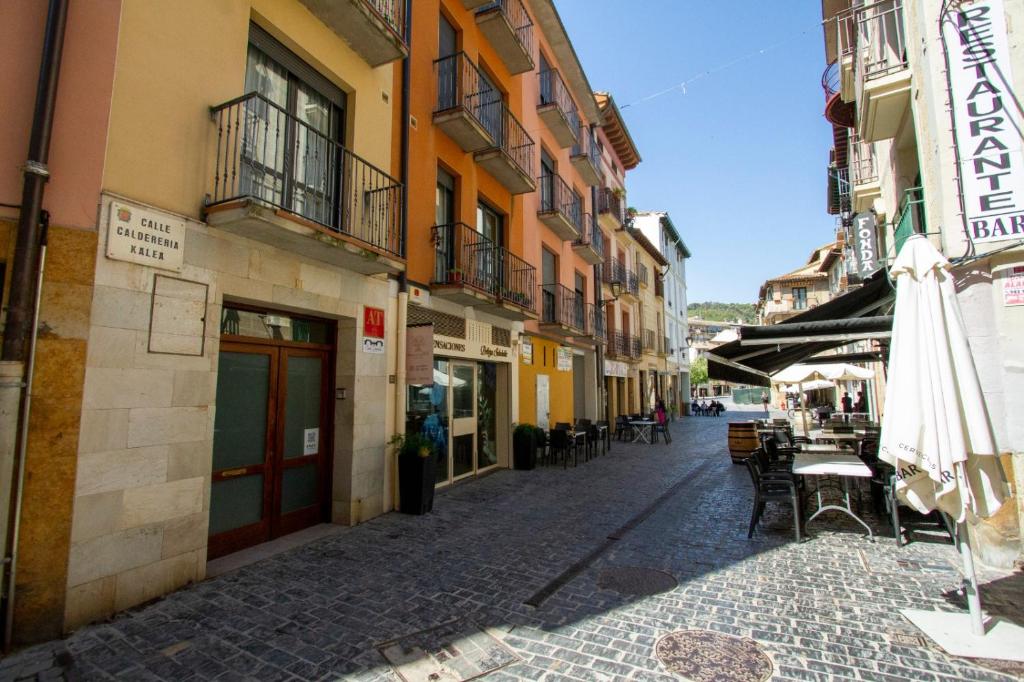
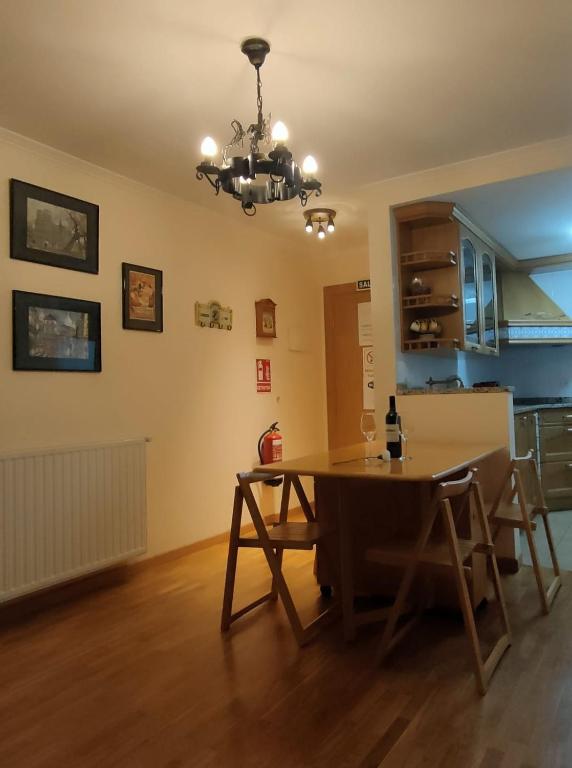
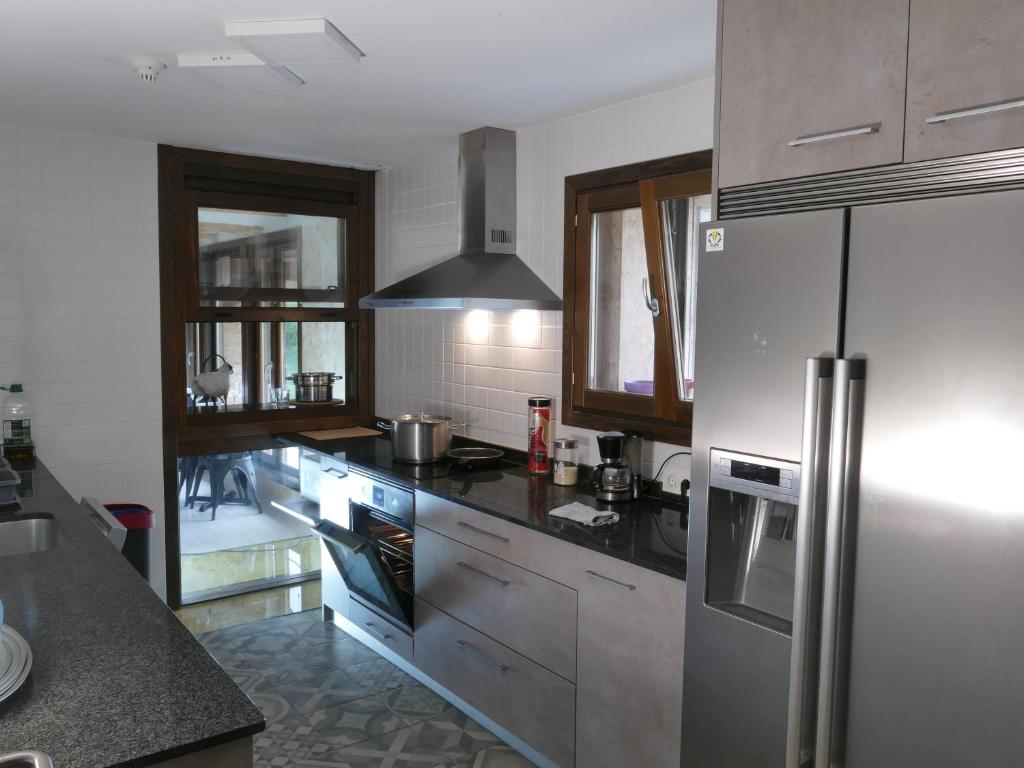
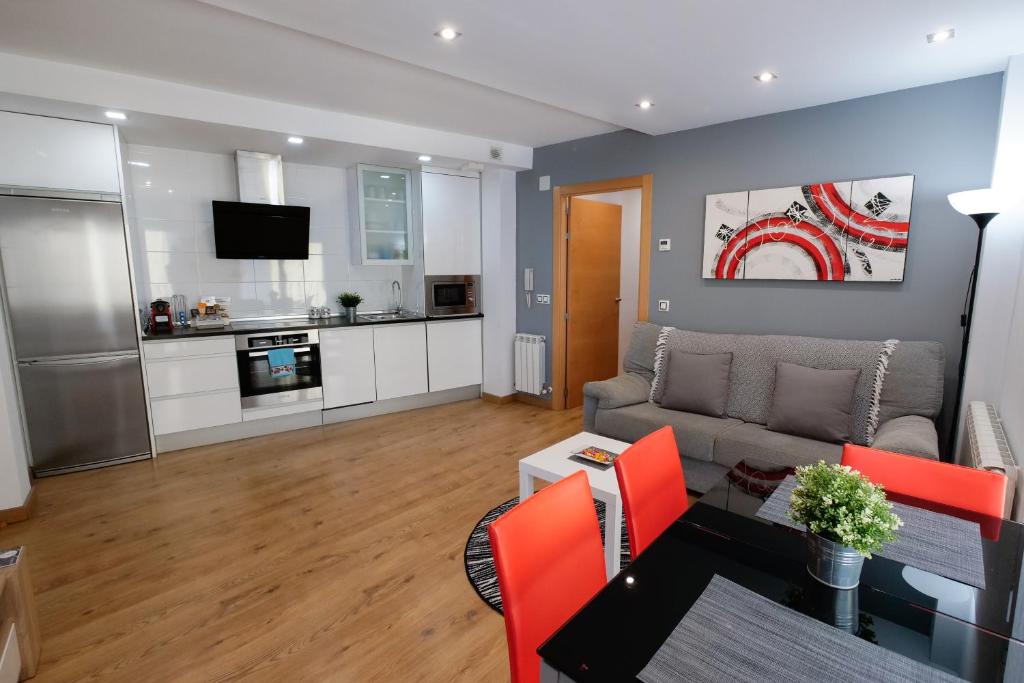
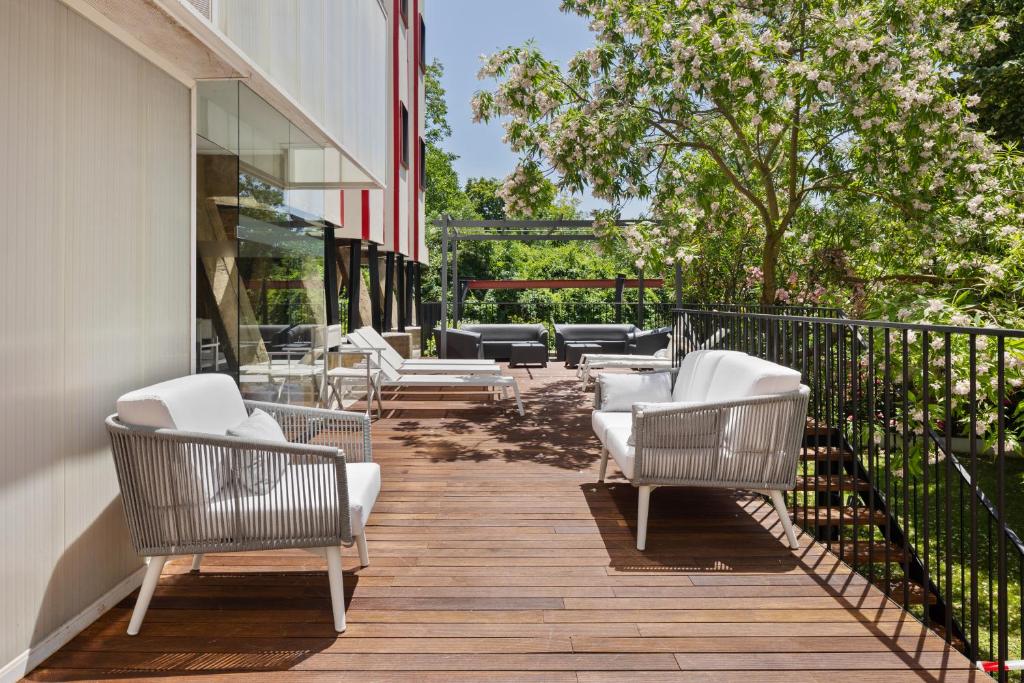
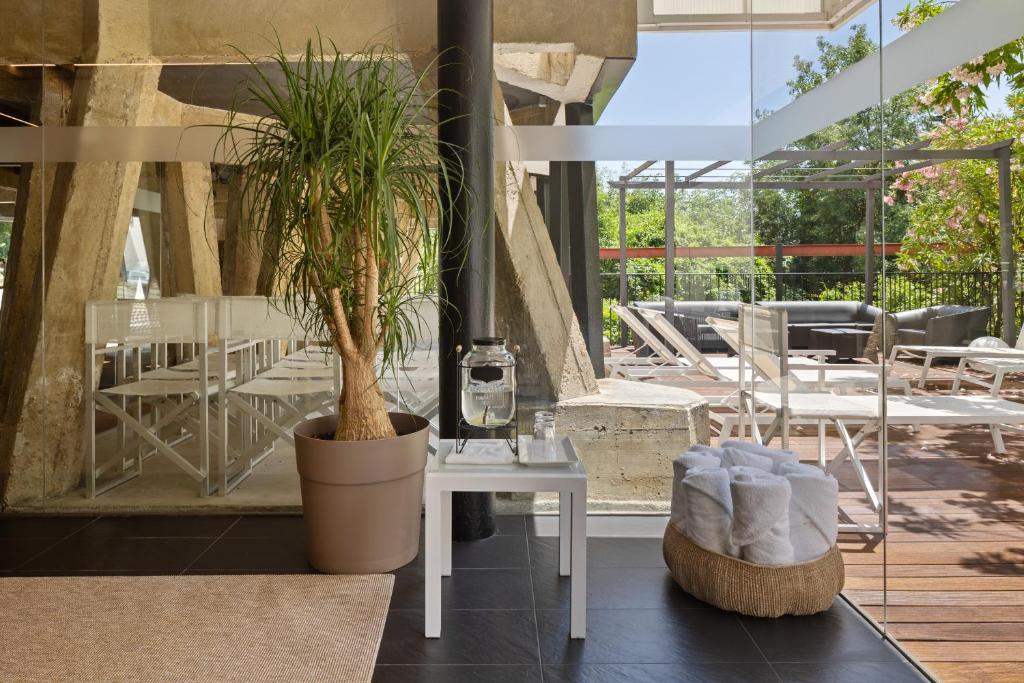
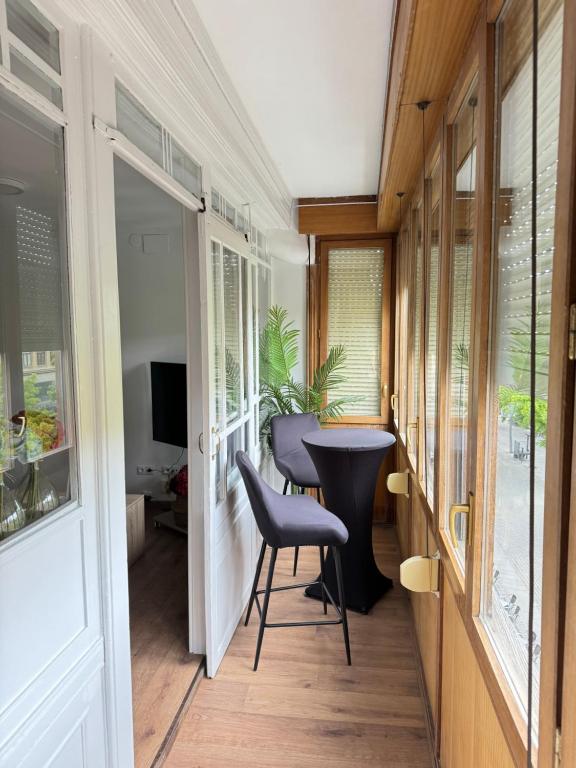
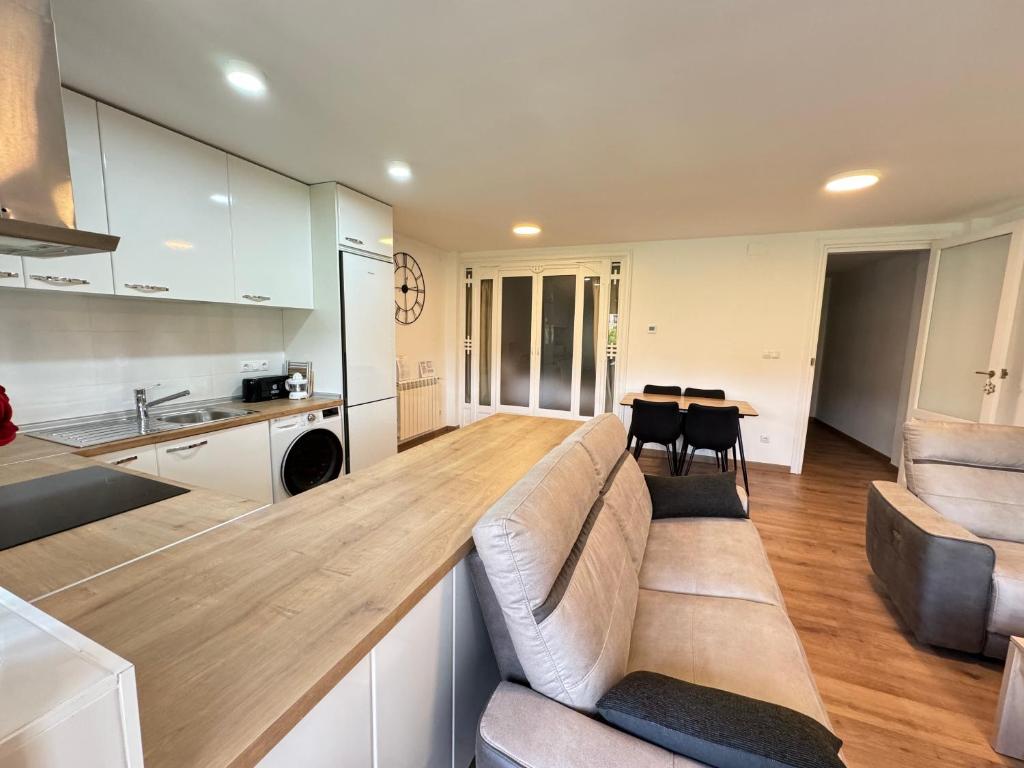
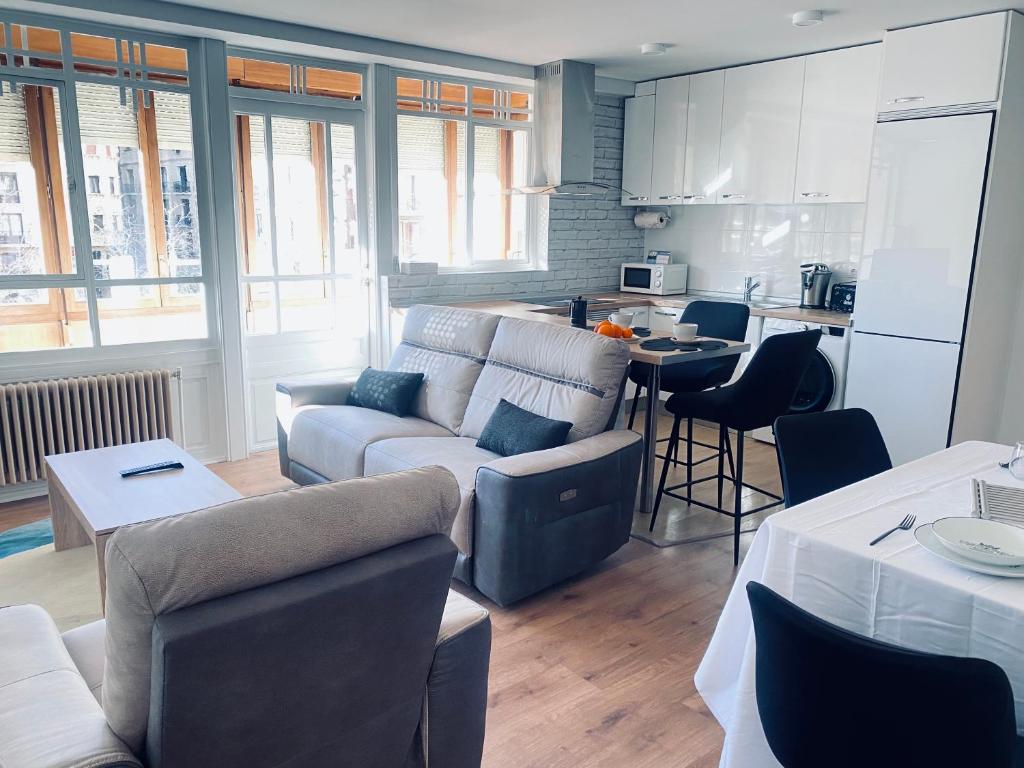
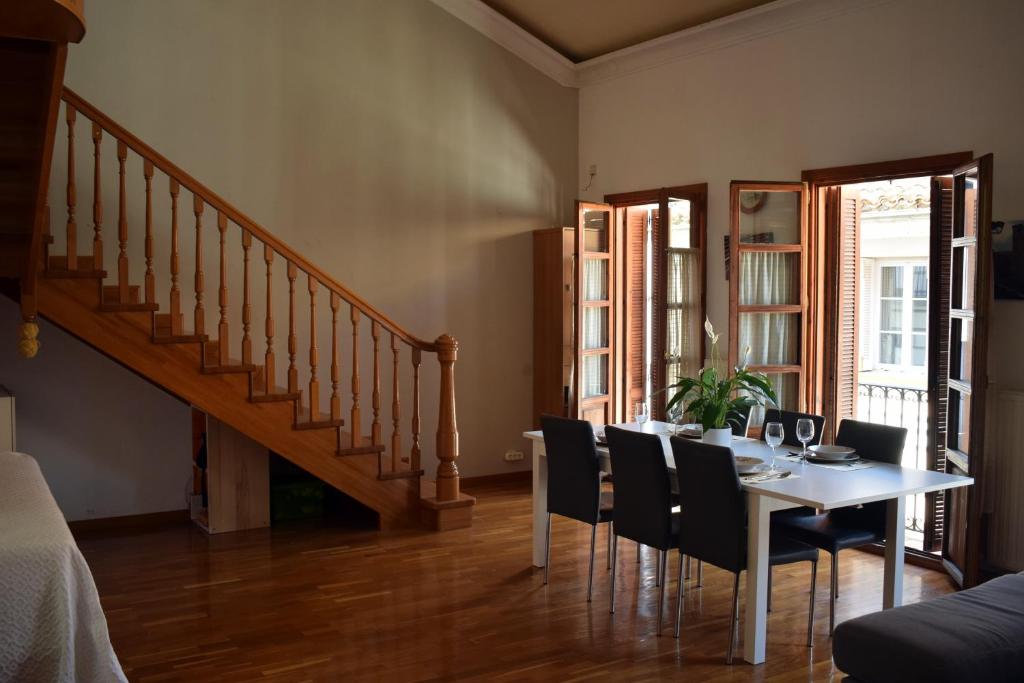
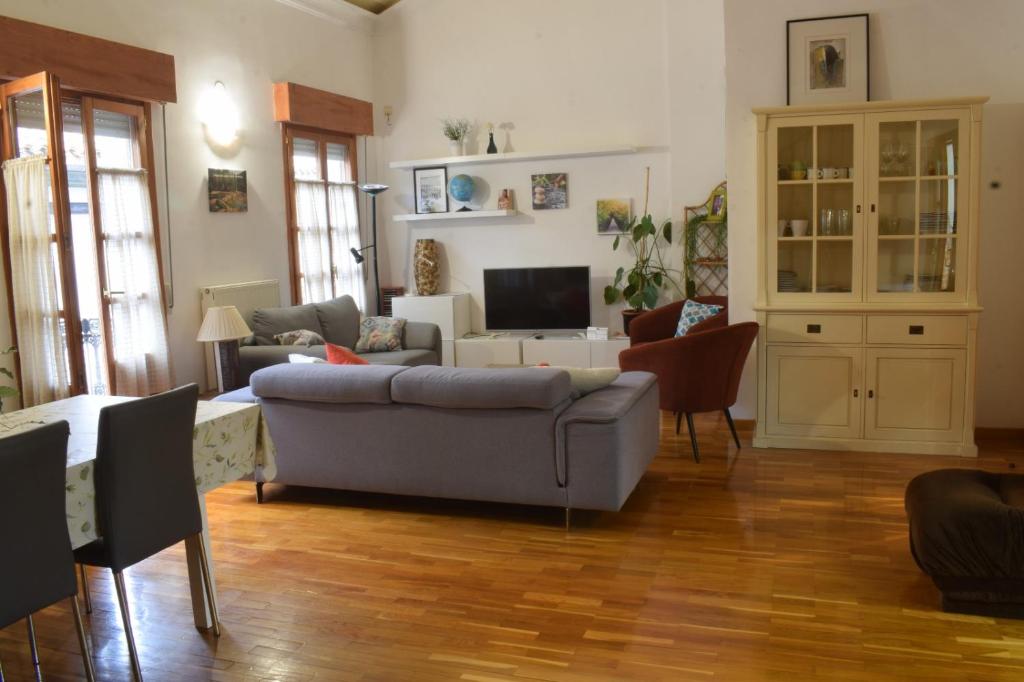
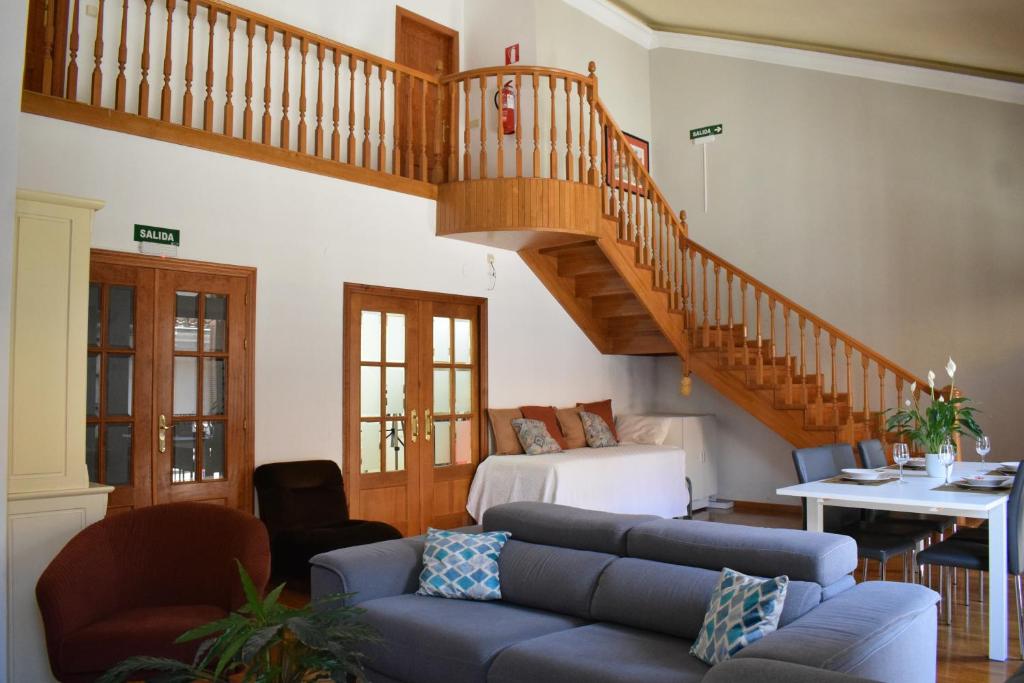
Accommodation ranges from restored buildings beside the river to apartments around Fueros and a converted factory farther north. Choose the address for the evenings you want; an apartment in the commercial centre and a riverside stay beyond the core offer quite different daily routines.
Common questions
Which part of Estella-Lizarra suits a first visit?
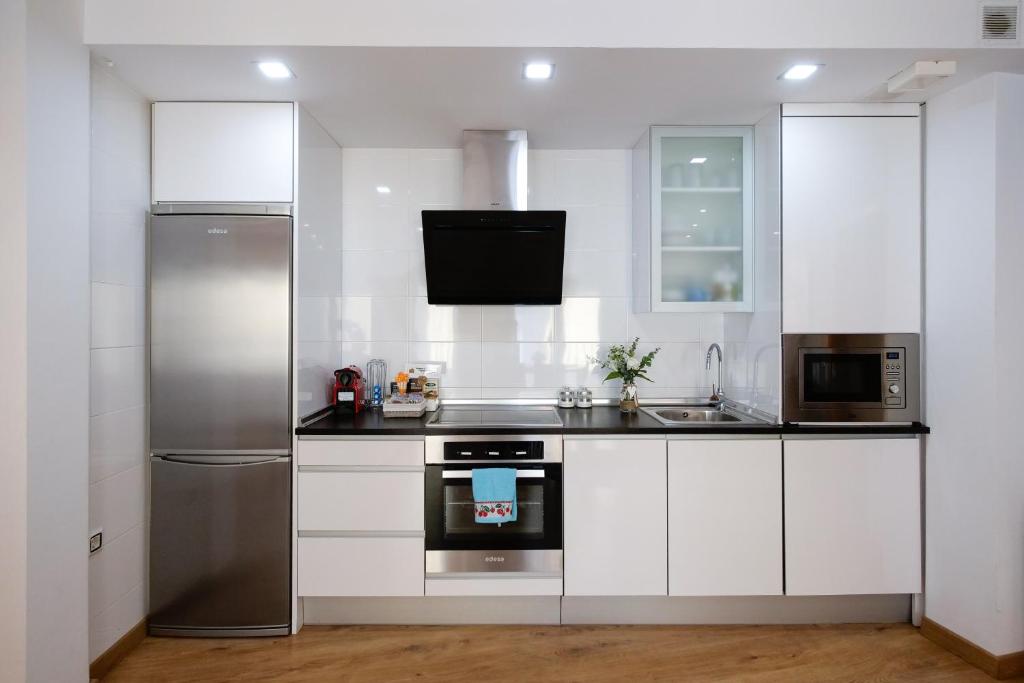
The historic banks around La Rúa, Chapitel and San Miguel put the river crossings and Romanesque sights into an easy sightseeing circuit, although the churches involve slopes or steps. Fueros and Santiago suit travellers who want cafés, shops and a kitchen-equipped apartment close together. Choose the northern side deliberately for its lodging and setting, rather than assuming it is beside the old Camino street.
Can I reach Estella without a car or train connection?
La Estellesa operates the Pamplona–Logroño corridor and other services through Estella; check the timetable for your exact date and direction. Coaches use the station on Plaza de la Coronación beside Los Llanos, so the final transfer is within town. For a rail journey, the municipality points to Pamplona or Tafalla stations followed by a road transfer; do not plan on a train arriving in Estella.
What should Camino walkers check before booking?
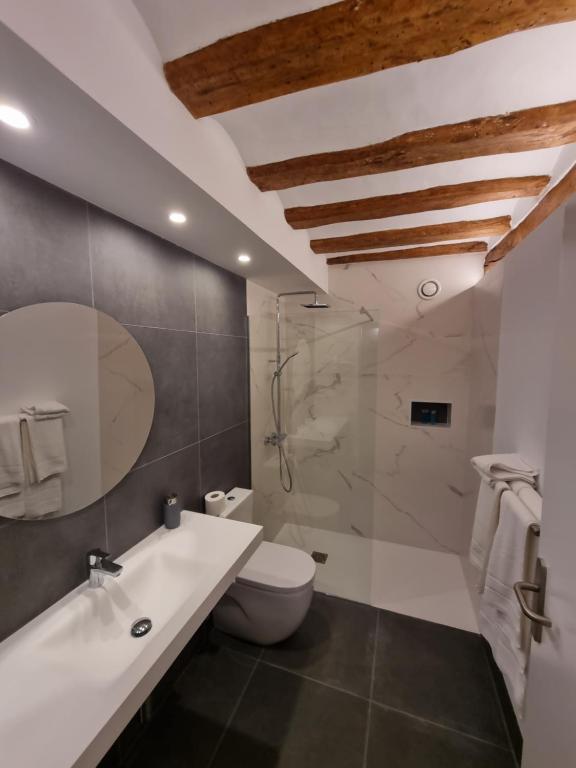
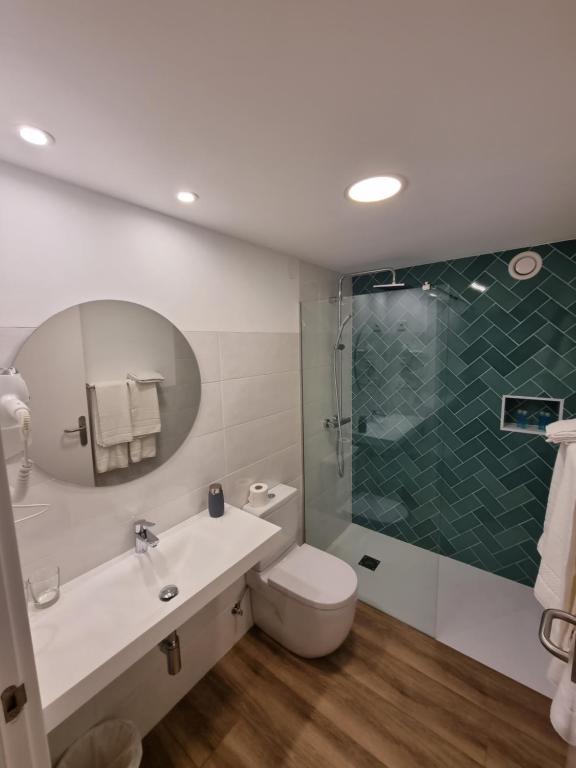
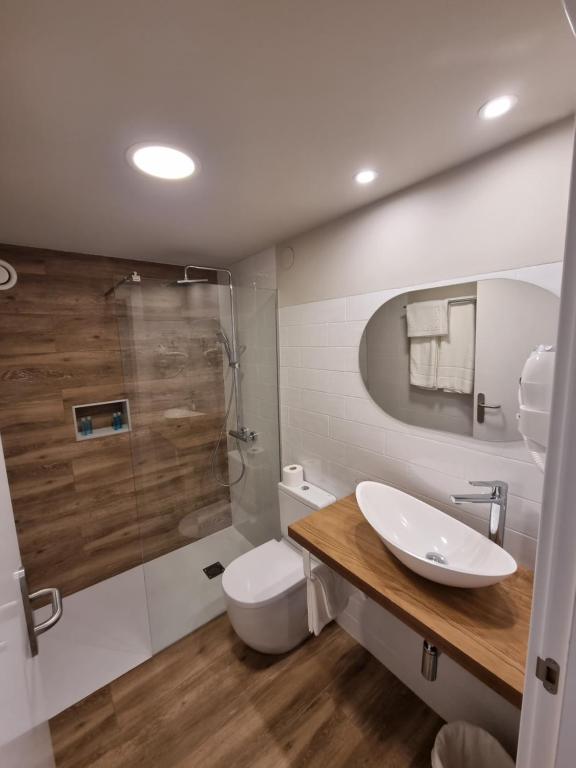
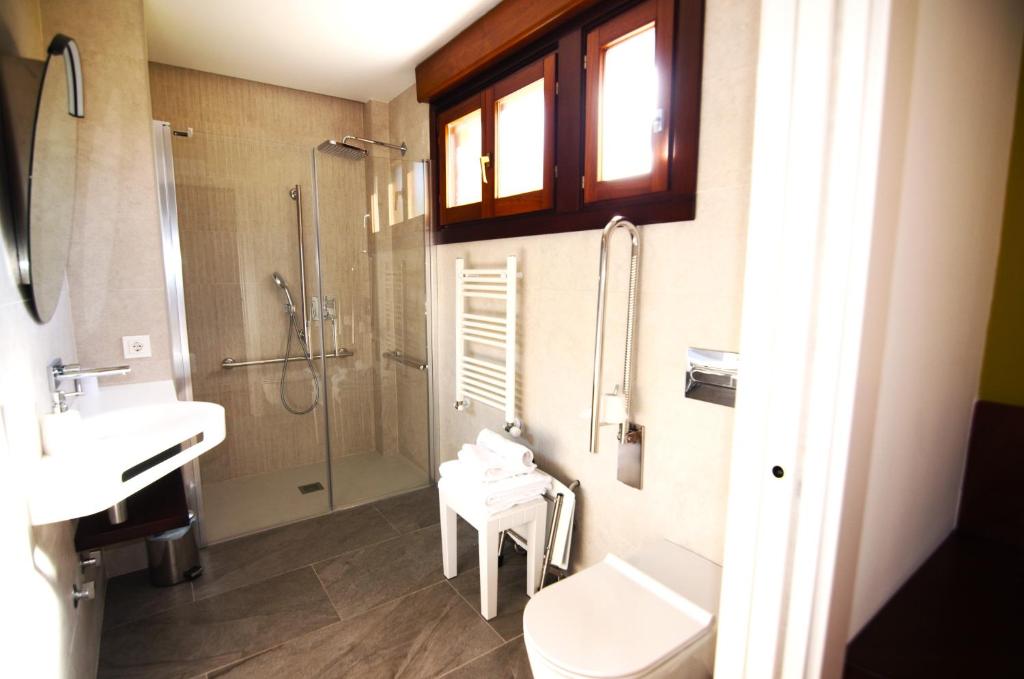
A private guesthouse room, an entire apartment and an albergue bed provide different kinds of rest, even when they appear in the same search. Confirm the bathroom, linen, luggage arrangements and entry procedure, especially where arrival is by code or appointment. Cyclists should ask specifically about secure bicycle storage instead of assuming it comes with every central stay.
How many nights should I allow?
One night can cover an evening in the squares and a focused walk between San Pedro, the river and San Miguel. Two nights leave more breathing room for the Gustavo de Maeztu and Carlist museums, Los Llanos and a short section of the Vasco-Navarro greenway, which follows the former railway route from Estella. Add a further night if you want a reserve or monastery excursion without compressing the town into an arrival-day stop.
Which dates change the atmosphere in town?
The main fiestas start on the Friday before the first Sunday in August, with a much livelier programme than an ordinary sightseeing stay. Virgen del Puy is celebrated on 25 May, while the San Andrés fairs fall around the weekend closest to 30 November. Check that year’s programme when choosing a square-facing room or planning vehicle access, and remember the regular Thursday markets too.
Is Estella suitable for families or travellers avoiding stairs?
Los Llanos park and the river walks provide useful breaks between visits, while apartments offer separate bedrooms and cooking facilities if the selected unit includes them. The historic town is not uniformly level: San Miguel and the Puy approach climb, and San Pedro’s steep stairway has an alternative lift route whose operation should be checked. Ask about the complete path from parking or street to bedroom, including stairs inside duplex apartments.
Where should I park and how do apartment arrivals work?
Use the host’s directions for the specific entrance rather than driving towards the nearest landmark on the map. Some old-town addresses stand on pedestrian streets, and a parking offer may involve a separate garage or limited spaces. Send your arrival time in advance and obtain the key or code instructions before reaching the door, particularly after a walking stage or an evening coach.
Can I use Estella for Urederra and nearby monasteries?
Yes, with planned transport: entry to the Urederra reserve requires advance authorisation and uses the designated access from Baquedano, with an approximately six-kilometre return walk and the final section to the spring closed. The spring itself is outside the permitted visit, and swimming is prohibited. Irantzu, reached towards Abárzuza, and Iratxe or Irache beside Ayegui are separate monasteries; choose the visit, check its opening arrangements and organise the outward and return journey before leaving town.
Prices are set by the booking site. We may earn a small fee, at no cost to you.