About Haro
Haro works well as an overnight wine-town base because the day has two distinct settings: the old centre around Plaza de la Paz, and the wineries gathered below it in Barrio de la Estación. Staying gives you time for an appointment, a slow meal and the streets after day visitors leave.
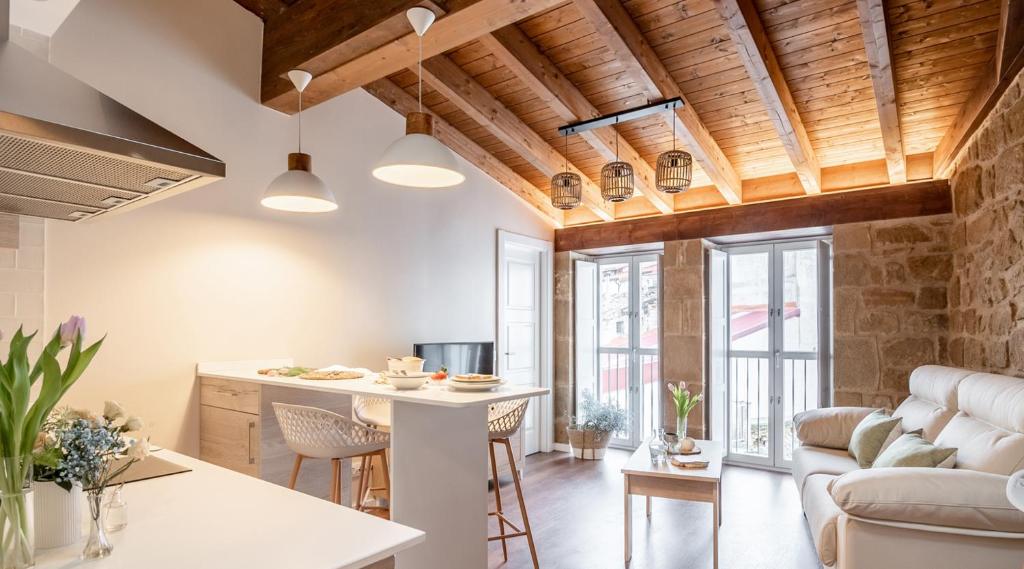
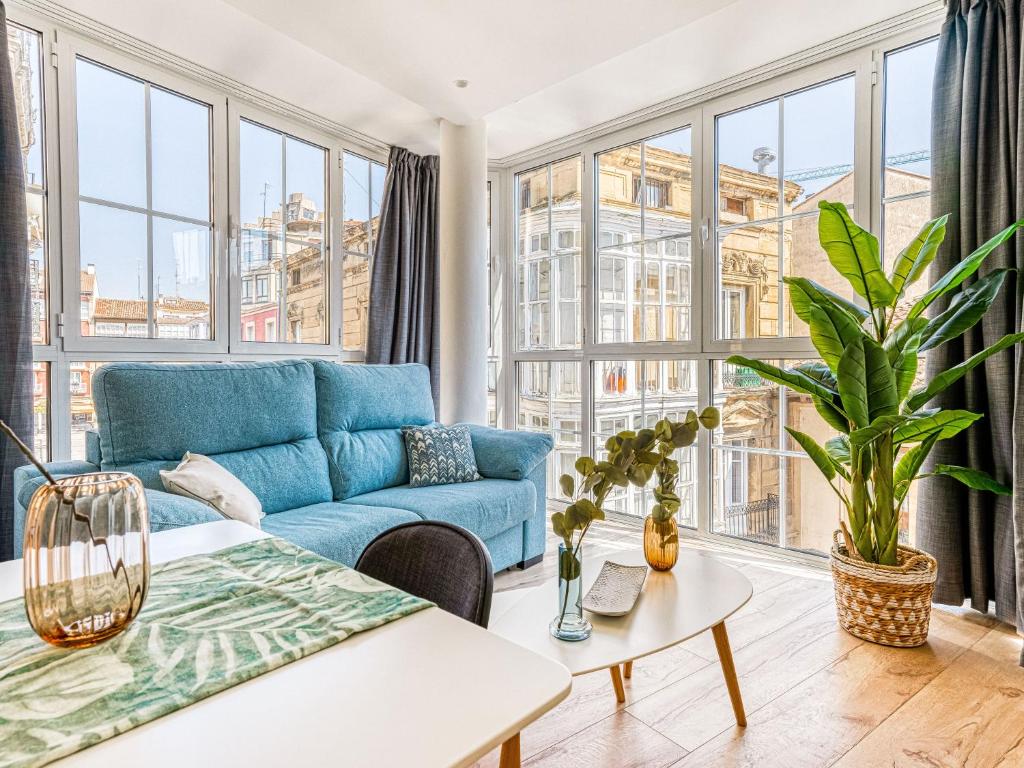
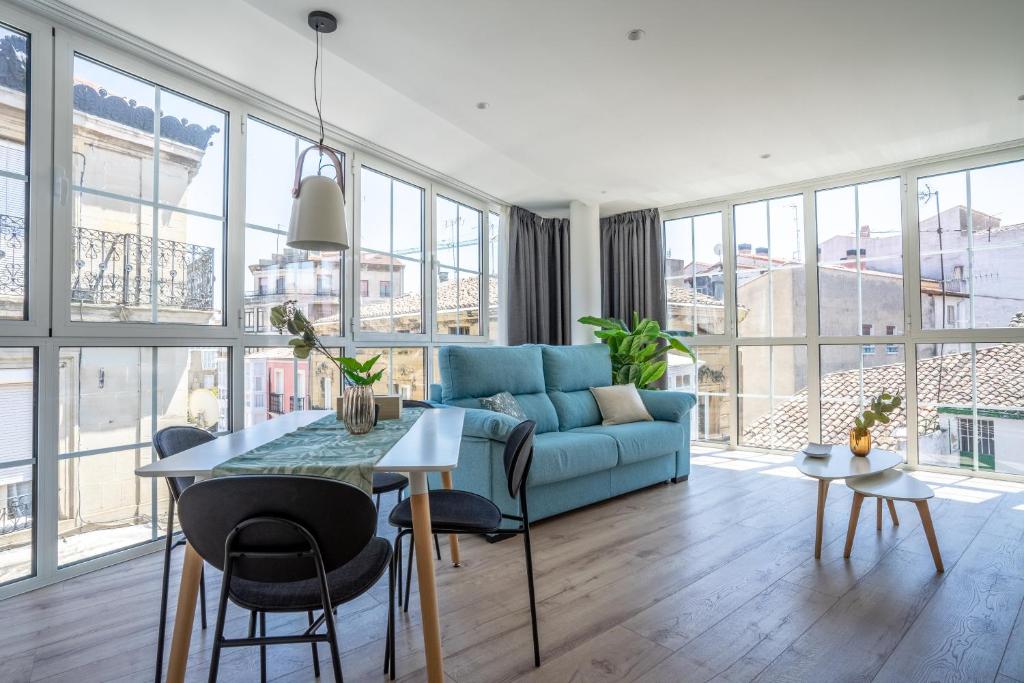
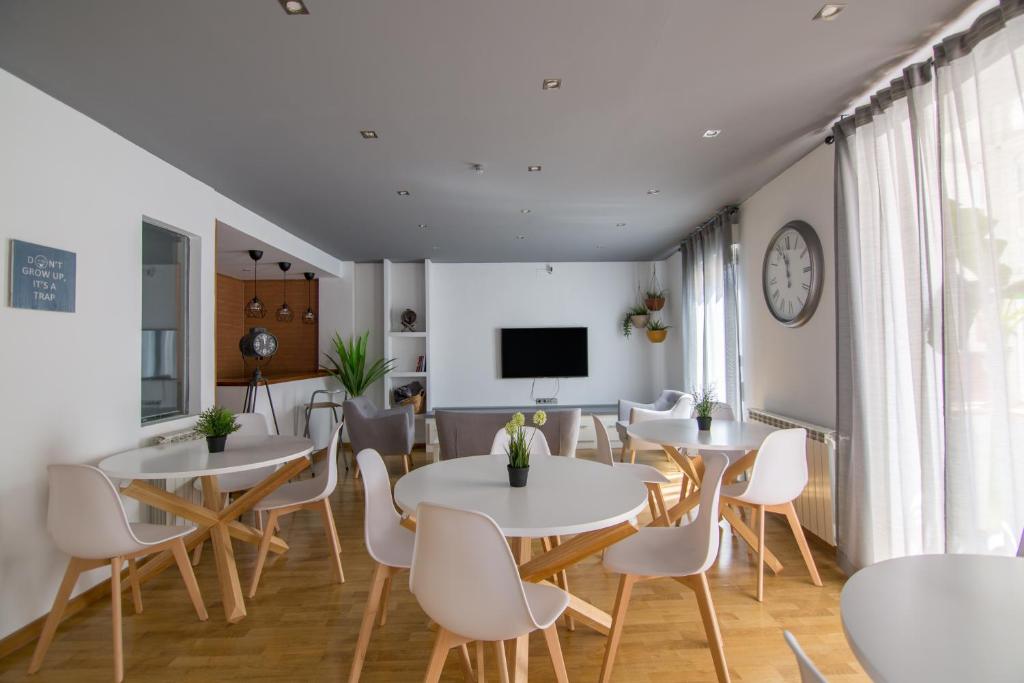
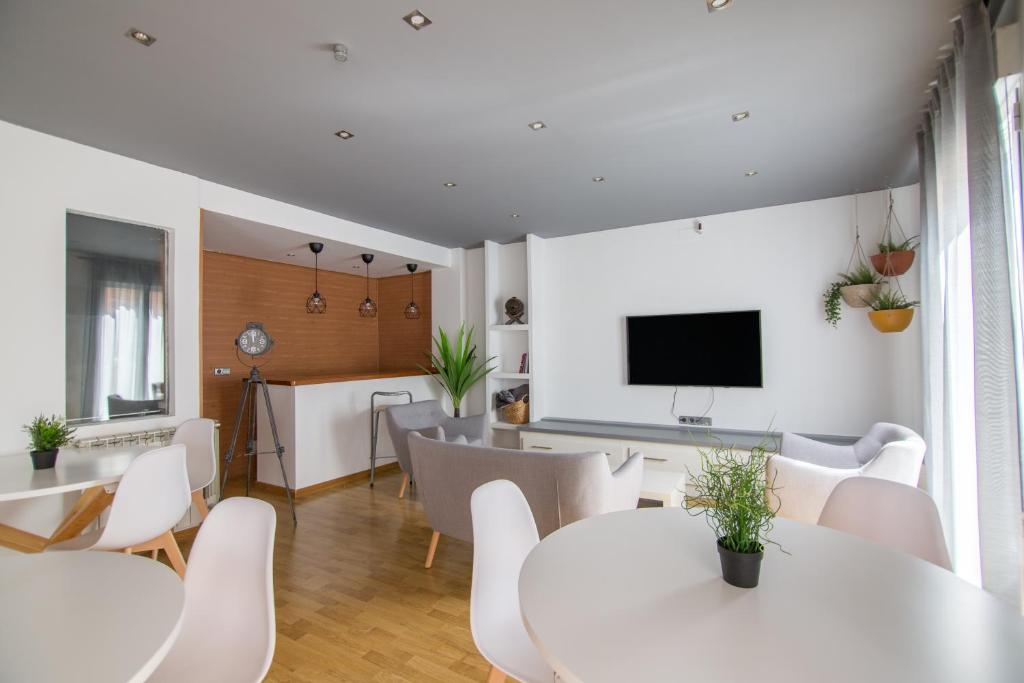
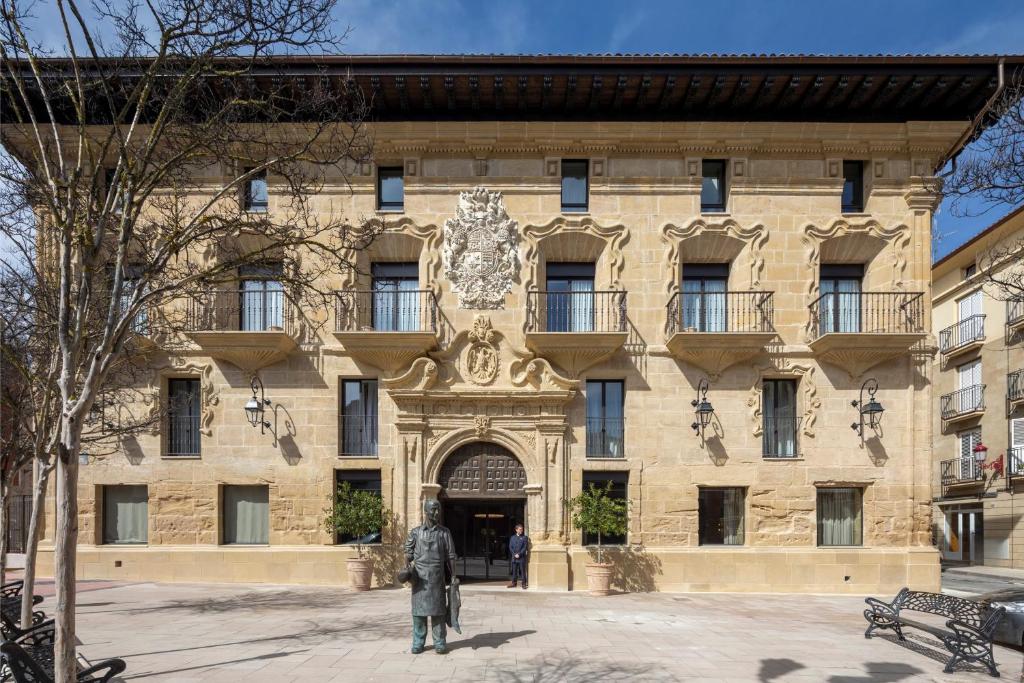
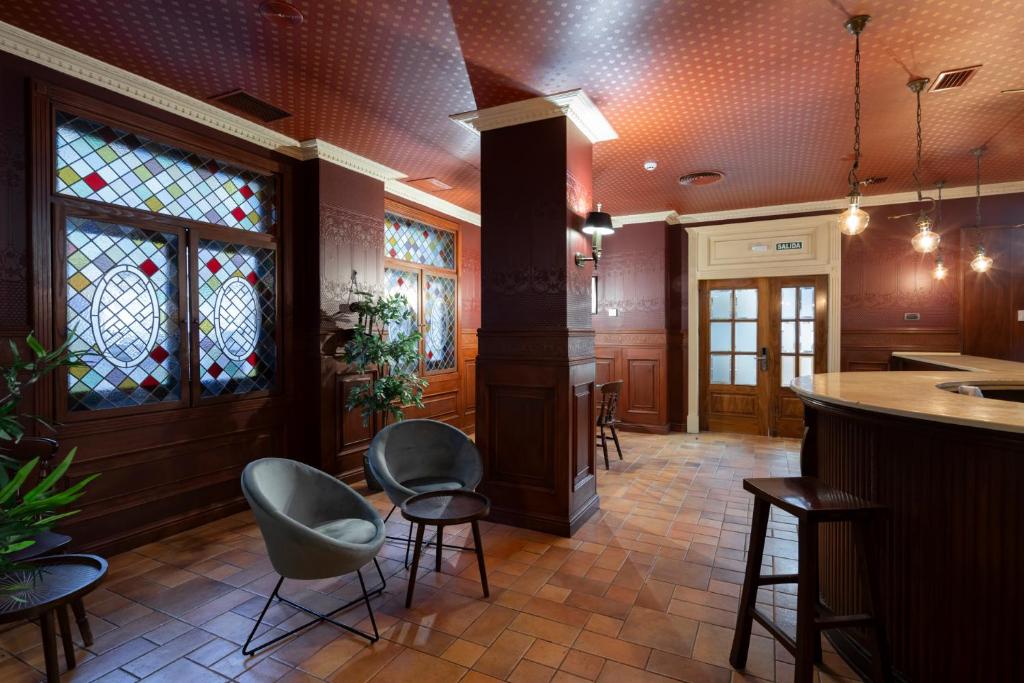
The hotel choice is richer than the town's size suggests, from a restored palace and a former convent to carefully designed apartments. Most decisions come down to three adjoining clusters: the historic squares, the Vega corridor, and Ventilla towards the coach-station side. Choose the room and arrival arrangements alongside the address.
Common questions
Where should I stay for a first visit?
Start with the historic squares if your ideal evening is a walk through La Herradura followed by dinner near your room. The Vega corridor is equally useful when you want a distinctive hotel or an apartment with more space. Choose the Ventilla side for practical private rooms and coach arrival. These are neighbouring parts of a compact town, so the right room can matter more than a small distance difference.
Can I walk to the wineries in Barrio de la Estación?
Yes, the railway winery quarter is a separate, walkable part of a central Haro stay. Leave time for the slope between it and the old town, especially on the way back. Book the exact winery and check its entrance: Haro's wineries are not all in this quarter. A cellar tour, a tasting and a wine-bar visit may have different reservations and opening days.
How does arrival by train or bus work?
The railway station is in Barrio de la Estación; intercity coaches use Plaza Castañares de Rioja. Check the service for your date, then plan the final connection to your accommodation. Jiménez Movilidad publishes the urban-bus route and timetable, and the tourism office lists taxis opposite the coach station. From Bilbao Airport, the tourism guidance describes a connection via Bilbao's bus station; do not assume a direct airport coach to Haro.
Do I need a car for a Haro stay?
Not for a programme centred on town walks, meals and pre-booked winery visits within walking reach. A car becomes useful when you add separate villages or more distant vineyards. Arrange a taxi or a driver for a tasting itinerary that goes beyond town, and establish the return journey before leaving. For a central stay with a car, confirm the parking address and unloading route rather than relying on a general parking symbol.
Should I reserve cellar visits, and is there more than wine?
The tourism office advises booking winery visits in advance. Choose the language, duration and type of visit before filling the day with appointments. Haro also has the Torreón's contemporary art, Santo Tomás, historic façades and the Vega basilica and promenade. This gives non-drinkers and mixed-interest groups a workable stay. If children are coming, ask the specific winery about its visit policy and suitable activities.
What should families or travellers avoiding steps check?
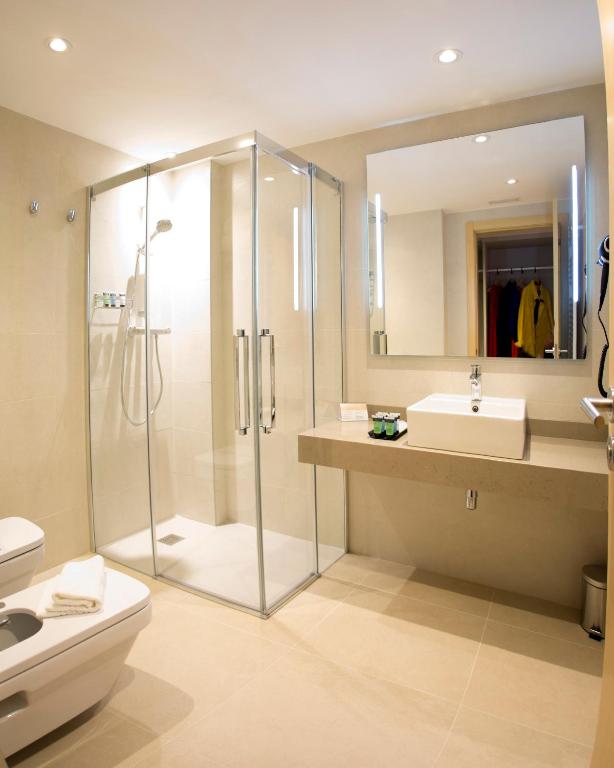
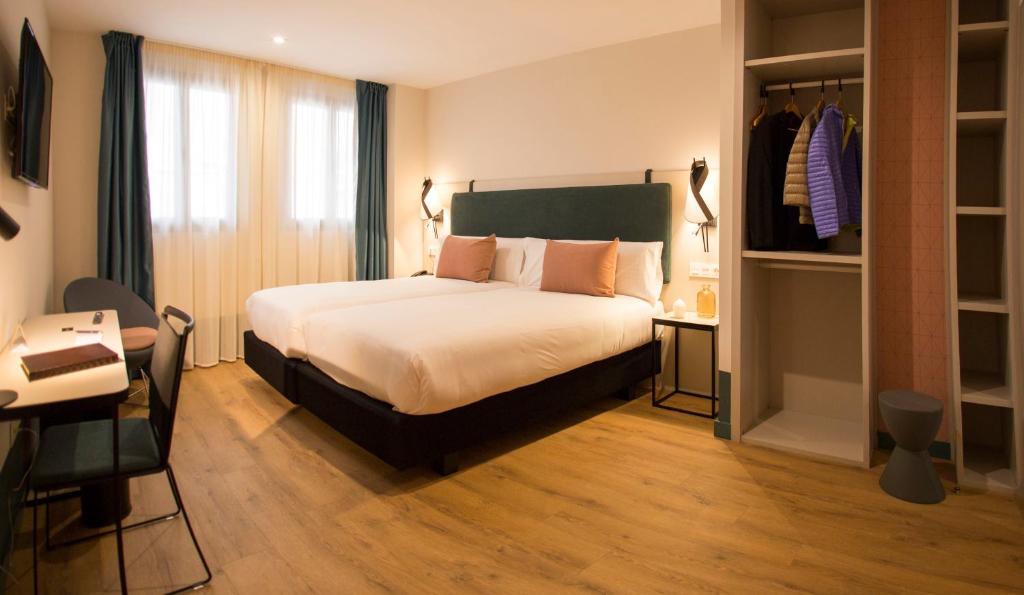
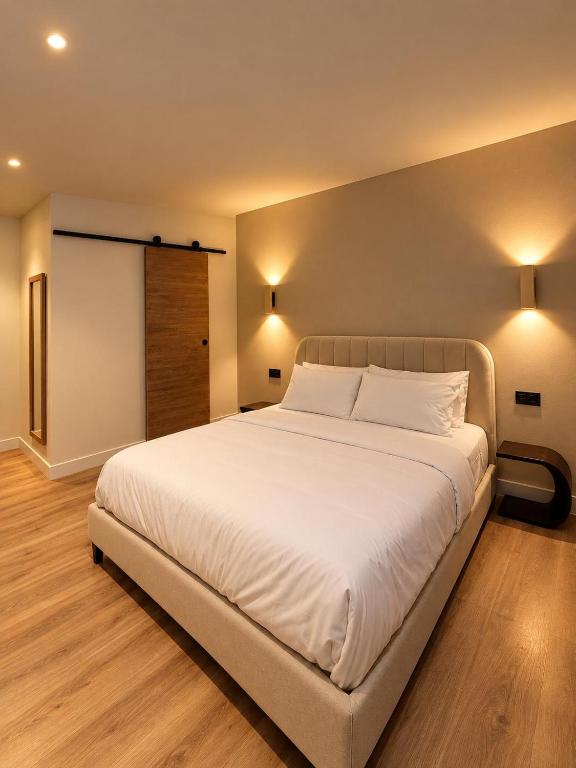
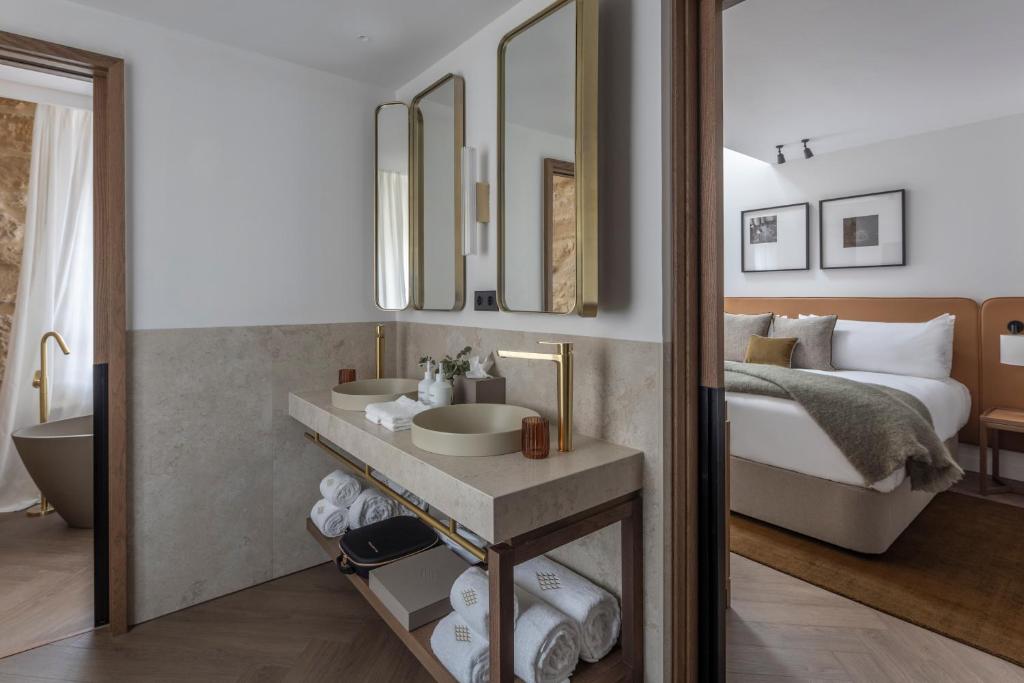
Compare bedroom separation, sofa beds and the exact bathroom arrangement before choosing an apartment or private family room. A lift in the building does not establish every part of the room's access. The official walk describes stairs beside Santo Tomás to the Atalaya and an alternative sloping approach by the Local Police building. Ask whether that route suits your needs; avoiding stairs still leaves an incline.
Which dates change the feel of the town?
The late-June celebrations include the Wine Battle on 29 June at the Riscos de Bilibio, outside the central streets. September brings the Virgen de la Vega festivities, with the main day on 8 September. Book accommodation and check the current programme if these are your reason for coming. For a quieter visit, compare your dates with the event calendar; in any season, confirm cellar appointments and museum opening days before fixing a short itinerary.
How many nights are useful?
Two nights give you a full day for a winery appointment, the old town and an unhurried evening, with time to understand the two different parts of Haro. One night works if you keep the plan compact and align transport with a single visit. A third night makes sense for a separate village excursion or another cellar experience. Build around confirmed visits rather than trying to collect as many tastings as possible.
Prices are set by the booking site. We may earn a small fee, at no cost to you.