About Palma de Mallorca
Palma earns a city stay of its own when you want the cathedral quarter before lunch and dinner within walking distance afterwards. Stay around Plaça de Cort for historic streets, around Jaume III for a central address with easier access to Santa Catalina, on the Paseo Marítimo for a marina outlook, or in Portixol if daily walks along the eastern shoreline are the reason to come. Check the exact hotel entrance and nearest bus stop, especially if arriving with luggage.
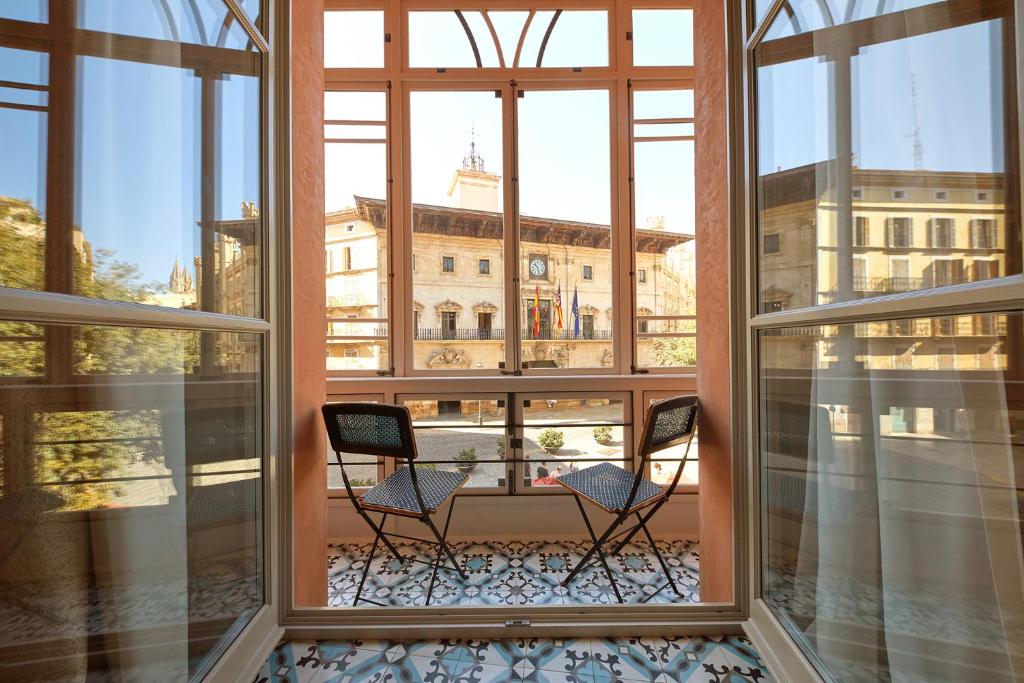
Palma is both the capital of Mallorca and a rewarding city-break base independent of the island's beach resorts. The first decision is whether you want medieval streets, a restaurant-led neighbourhood, or a room looking over the marina. In the Old Town near Plaça de Cort, the narrow lanes connect La Seu Cathedral, the Royal Palace of La Almudaina, Plaça Major, Santa Eulàlia and historic courtyards. The cathedral stands above Parc de la Mar and can be paired with the gardens and views along the former city walls. Walking between these sights before the tour groups arrive is a good reason to sleep centrally rather than visit from a distant resort. Cars have restricted access to parts of the historic core, so ask where a taxi can stop with luggage and whether a room faces a quiet courtyard rather than a lively square.
On the western edge of the centre, the La Llotja quarter and Passeig del Born suit travellers who want a mix of old architecture, dining and the waterfront. Santa Catalina farther west is a distinct neighbourhood with an established market, small restaurants and lively local bars. Its food scene is a reason to stay several nights, though a room directly over a late-night terrace may not be restful. Nearby Es Baluard Museum of Modern and Contemporary Art connects a cultural visit with views from the old fortifications. If you want the cathedral and market streets within walking distance, choose central or Santa Catalina rather than assuming all 'Palma' hotel addresses are equally near. The official city tourism routes distinguish Palma Alta's heritage and Jewish quarter from lower old-town shopping streets and the Santa Catalina food district.
The Paseo Marítimo and marina hotels offer another compromise: harbour views, promenades and access to waterfront restaurants, but also a busy road and longer walks to some inland churches. Portixol and El Molinar farther east feel more like a seafront village, useful for easy morning waterside walking and a quieter pace; still check the route into the Old Town before choosing a room there. Cala Major lies southwest of the centre and serves beach-first stays with access to the Miró Mallorca foundation and onward trips toward Bellver Castle. Bellver is a circular Gothic castle above the town, so a visit takes a separate uphill leg even when it seems close on a map. None of these districts is the same as the longer resort beaches elsewhere on Mallorca.
Arriving from the airport is relatively simple with EMT's A1 bus and taxis, but check the correct stop for your hotel. Estació Intermodal by Plaça d'Espanya is a useful departure point for trains and regional buses beyond Palma, and the historic railway toward Sóller starts in this part of the city. Local EMT services reach neighbourhoods that are too distant for a comfortable walk. If driving, take the low-emission zone and separate restricted access streets seriously rather than expecting to leave a rental car at the cathedral. Summer is warm and busy, making early sightseeing and evening meals pleasant; the shoulder seasons are better for long city walks and museum days. In winter, check opening times and expect a different, more local mood than a beach holiday. Two nights allow the Old Town, Santa Catalina and the waterfront at a measured pace; three or four make room for Bellver and a day out of Palma.
Common questions
Can I get into Palma from the airport without a car?
Yes. Aena lists the A1 city bus. Check the stop nearest your exact address and budget for the walk from there with suitcases.
Can I combine the old town and the waterfront on foot?
The old town and central waterfront work together. For a Portixol outing, map the shoreline route or use a city bus if you prefer a shorter return.
Which area is best in winter?
Start with the old town or Jaume III for meals and indoor visits. Keep the sea walk flexible around the weather.
What changes in summer?
If you want a coastal walk each morning, Portixol is more useful. For sightseeing, go out early and leave the longer walks until later.
How many nights work?
Two give you one full city day. Three let you split the historic quarter and eastern shore without making either a hurried add-on.
Which part of Palma is best for a first city stay?
Old Town near La Seu and Plaça de Cort is the easiest for the cathedral, palace and courtyards on foot. Santa Catalina prioritizes food and evenings; Portixol prioritizes seafront walks.
Can I arrive from the airport without a car?
Yes. EMT's A1 bus connects the airport and centre. Check your hotel stop and use city buses or a taxi for farther districts.
Is Bellver Castle in the Old Town?
No. It is a circular Gothic castle on a hill to the west, requiring an uphill trip separate from central sights.
Prices are set by the booking site. We may earn a small fee, at no cost to you.