About Athens, Georgia
Athens, Georgia, works best when you decide what should be outside your door. The compact downtown links independent shops, live-music venues and the University of Georgia's historic North Campus. Stay around Clayton Street and College Avenue for evenings out, or move towards Thomas Street for a convention or arena event.
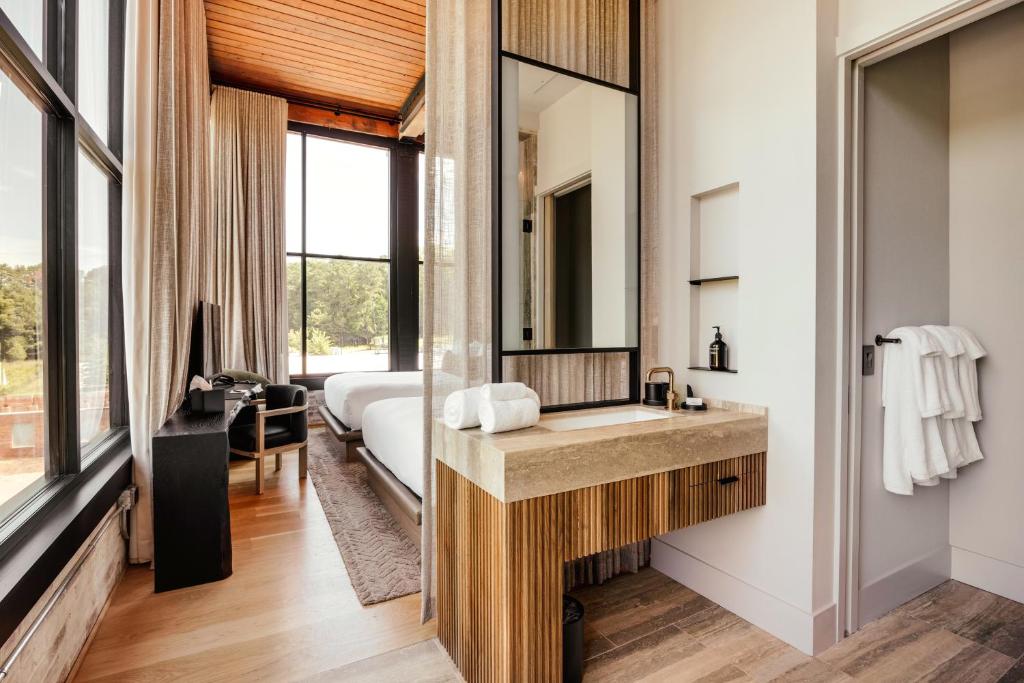
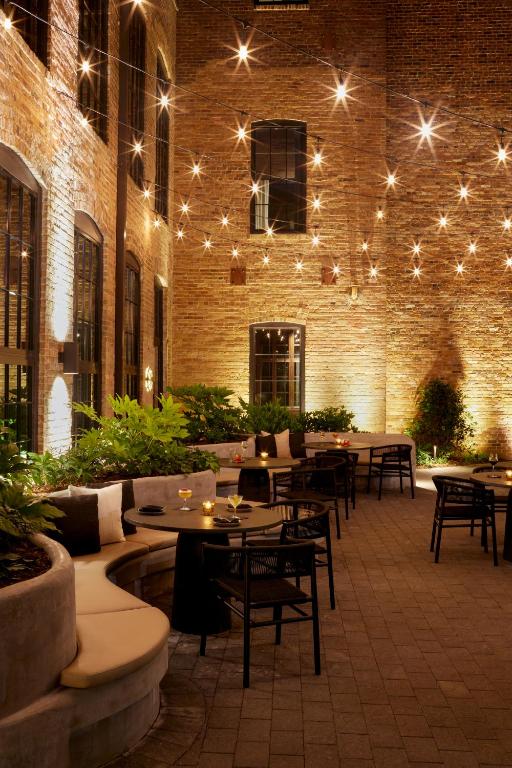
Hull Street and western Broad Street offer another approach to campus visits. Farther northwest, the reused Southern Mill buildings near Oneta Street make a more deliberate retreat. The centre is walkable, but the botanical garden, airport transfer and addresses beyond downtown need their own travel plans.
Common questions
Can I visit Athens without a car?
Downtown, the Arch and North Campus make a useful walking circuit. Athens-Clarke County buses operate on weekdays and weekends, but fewer routes run in the evening and at weekends; use the myStop tracker and check the return journey. UGA buses also welcome visitors, with routes and live positions in the university app. University breaks and football weekends can change service. Arrange separate transport for addresses outside the central walking area and for the botanical garden.
How do I reach Athens from Atlanta airport?
Groome runs daily shared shuttles between ATL and Athens; reserve the precise stop, including the Classic Center stop if that suits your address. Scheduled journeys to downtown take roughly two and a half hours, before any airport waiting time. At ATL, use the domestic terminal's W1/W2 exits and the lower-level B9–B10 pickup area. International arrivals must first take the terminal connector. Some Athens stops are restricted on game days, so check the booking for your date and arrange the final transfer.
Where should I base a university visit?
Choose by the building or appointment, because the Arch and historic North Campus at the downtown edge are only part of UGA. The university Visitors Center is at 405 College Station Road, away from that northern gateway; booked tours have their own meeting instructions. Compare the exact route from your room and consult the campus visitor-parking map. If your visit involves several departments, the campus bus network may be more useful than repeatedly moving the car.
What changes on football weekends?
Sanford Stadium brings large crowds into the university and downtown. Choose your room early, then check the current UGA game-day parking and traffic maps: ordinary campus parking arrangements can change, and some lots must be cleared before a game. Keep hotel parking and stadium parking as separate questions. Groome's campus and downtown stops may also be restricted. If you are visiting for another reason, check attraction calendars too; some facilities close on home-game days.
How should I plan a live-music stay?
The downtown streets around Washington, Clayton and Lumpkin put the Georgia Theatre, 40 Watt Club and Music Walk of Fame into a compact itinerary. Choose the actual show before assuming there will be a performance on your evening. At the Georgia Theatre, age rules vary by event and most concerts are standing rather than seated; confirm the listing and any access needs. Ask about room orientation if you want to sleep before the surrounding nightlife winds down.
What works for families or a rainy day?
The Georgia Museum of Art on East Campus offers exhibitions and family programmes; check its timed-entry booking and event calendar, and remember that it closes on Mondays. Lyndon House Arts Center adds contemporary galleries near downtown, but closes on Sundays, Mondays and UGA home-football days. For outdoor play, the botanical garden's Alice H. Richards Children's Garden has an accessible play-and-learning area. It is an outdoor option, so keep an indoor plan for wet weather and check university holiday closures.
How do I plan a visit to the State Botanical Garden?
Treat it as a separate outing south of the centre. The current address is 2450 South Milledge Avenue; follow the new entrance introduced in September 2026, farther south on that road. Grounds normally open daily except university holidays, while the visitor centre and decorative-arts museum close on Mondays. During Winter WonderLights, daytime visits finish earlier and evening entry is arranged separately. Confirm any requested bus pickup and return directly with UGA Transit rather than relying on an old shuttle map.
Can I visit Athens' historic houses?
Start with the Historic Athens Welcome Center at 280 East Dougherty Street for neighbourhood and history-tour choices; it occupies the Church-Waddel-Brumby House. For the T.R.R. Cobb House in Cobbham, reserve ahead: current tours are by appointment, normally Tuesday to Friday, and same-day requests may not be possible. Walking past a historic building does not guarantee entry. Confirm the tour, arrival point and any stairs before setting aside the afternoon.
Which season suits an Athens trip?
Spring brings flowering gardens and comfortable walking, while autumn combines colour with the intensity of university football. Summer is hot and often quieter between academic terms, but music festivals such as AthFest still draw visitors. Winter offers concerts and the botanical garden's seasonal light events; bring layers and check holiday openings. Match dates against the academic, sports and concert calendars, because a seemingly ordinary weekend can become an event weekend.
How many nights should I stay?
Two nights allow an evening show or dinner, a full day around downtown and campus, and time for a museum without rushing away. Add a third for the botanical garden, a historic-house tour or a slower visit to another neighbourhood. For a one-night concert, convention or campus appointment, choose by the exact venue entrance and plan your return after the event. Closure days and airport transfer time matter more on a short trip.
Prices are set by the booking site. We may earn a small fee, at no cost to you.