About Augusta, Georgia
Augusta rewards a stay built around its river, music history and older neighborhoods. Broad Street combines restaurants and performance venues with an easy approach to the Savannah Riverwalk; nearby museums add Southern art and the story of James Brown.
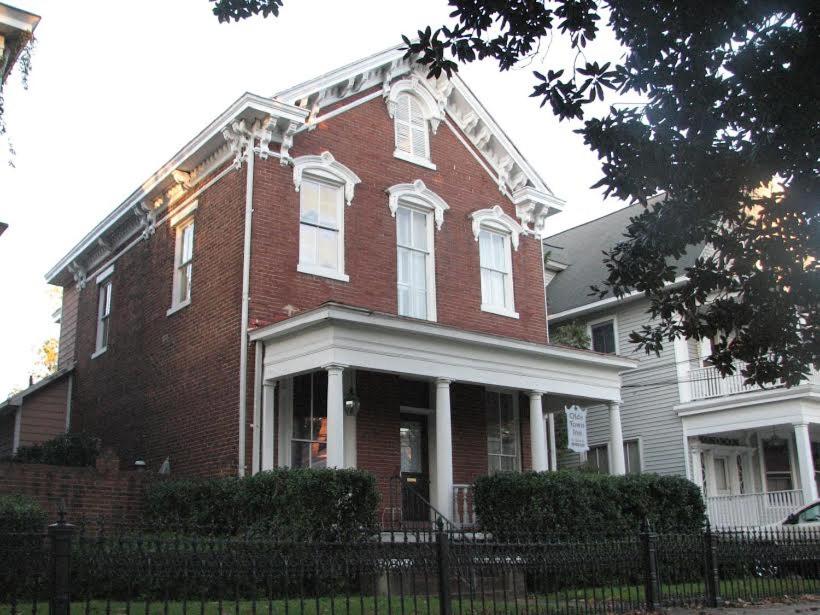
Farther east, Olde Town offers historic residential streets, while Summerville rises around Walton Way with substantial houses and a different pace. Across the river in South Carolina, North Augusta has baseball, riverside dining and the Greeneway trail.
Choose the bank and neighborhood that match your evenings, then allow time for the canal, museums and the journeys between them.
Common questions
How many nights should I spend in Augusta, and where should I start?
Two nights allow a useful introduction: spend one day on Downtown's museums and riverfront, then add a canal trip and a different neighborhood. A third night leaves room for a baseball game, a longer trail outing or unhurried historic-house visits. Downtown is the easiest first choice when you want several restaurants and sights in the same part of town; choose Summerville or North Augusta when the setting of the stay matters as much as the sightseeing. Check museum opening days before deciding which nights to book.
How do I reach Augusta from its airport or Atlanta airport?
Augusta Regional Airport uses the code AGS and lists rental cars, taxis and selected hotel shuttles; confirm any shuttle directly with your accommodation before relying on it. From Atlanta's ATL airport, Groome runs a reserved shuttle to its Augusta office at 615 NW Frontage Road, with a published journey of about two hours and forty-five minutes. That office is outside central Downtown, so arrange the last transfer rather than expecting a hotel drop. International arrivals at ATL first use the terminal connector to reach the domestic ground-transport pickup area.
Can I visit Augusta without a car?
A short Downtown stay can combine walking with arranged transfers, especially if you group museums, meals and the Riverwalk together. A car becomes useful for Summerville, separate canal access points and trips between the two riverbanks. Augusta Transit does not operate on Sundays, and current Broad Street works change routes and stops, so use the operator's dated notices rather than an old map. Check the final walk and return transport for each evening outing instead of assuming the nearest stop will still be served.
Which museums and historic houses need advance planning?
The Morris Museum of Art at Tenth Street normally opens Tuesday to Sunday, while the Augusta Museum of History on Reynolds Street normally opens Thursday to Sunday and includes a major James Brown exhibition. The Woodrow Wilson Boyhood Home normally offers guided visits Wednesday to Saturday; tours begin at the Lamar House welcome centre next door at 415 Seventh Street. These different closing days make a Thursday-to-Saturday cultural stay easier to arrange. Check the current calendars for holiday exceptions and tour availability before fixing the order of your visits.
Is the canal boat trip a cruise on the Savannah River?
No: the Petersburg boats travel on the canal, departing from the Discovery Center at Enterprise Mill, 1450 Greene Street; the operator recommends Blome Lane for navigation. The current programme runs Tuesday to Saturday, with departures dependent on the published schedule and weather, so reserve ahead and reconfirm. Boats are uncovered, have no onboard toilet and require steps to board, which matters when planning for young children or limited mobility. Extreme heat can cancel a departure, and a canal booking does not include a separate river outing.
Where can I walk or cycle near the river?
Augusta's Riverwalk is a multilevel brick route along the Savannah River between Sixth and Tenth Streets, useful for a shorter walk between Downtown visits. On the South Carolina side, the paved North Augusta Greeneway offers a longer outing, with access at Riverside Boulevard, Boeckh Park in Hammond's Ferry and other trailheads. The canal towpath is another choice with different access points; decide which route you want before arranging bicycle hire or transport. Check current trail notices and share paths carefully rather than assuming all three routes form one uninterrupted circuit.
What works well for a family stay?
Downtown keeps the Riverwalk, its playground and museum visits within one sightseeing area; North Augusta's riverfront works well when a GreenJackets baseball game at SRP Park is the main event. Check the game calendar before booking, because a room near the stadium does not mean a home game will take place during your stay. The ballpark uses a clear-bag policy and cashless transactions, so read its current visitor instructions before leaving your accommodation. For a stroller, check the precise Riverwalk access route because the promenade has more than one level.
Where should I stay for restaurants and evenings out?
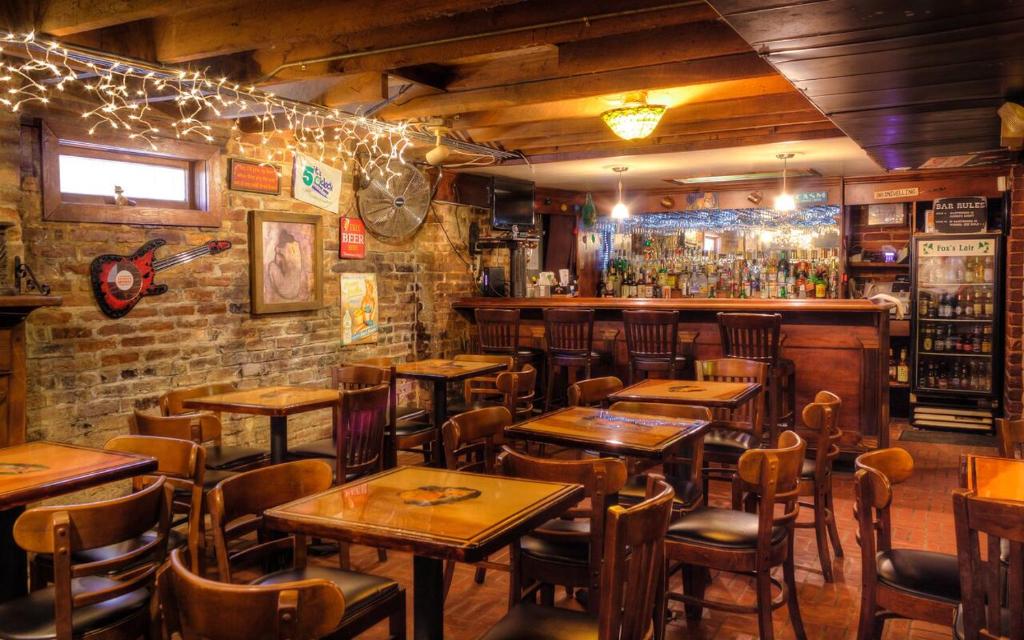
Choose the central and western Broad Street blocks for a choice of independent restaurants, cafés and evening venues without planning a new cross-city trip after every meal. Olde Town offers a historic setting farther east, while North Augusta's Riverside Village and Hammond's Ferry give a different riverside dining option. Summerville suits evenings built around the accommodation's own dining spaces and selected outings elsewhere. Reserve important meals during major events and ask about room position if street activity or an on-site bar would disturb your sleep.
What changes during Masters week?
April's Masters week changes accommodation availability, restaurant demand and local travel patterns across both riverbanks. Arrange the room, tournament admission and transport as separate parts of the trip: a hotel booking does not provide entry to the course. Check the official Masters ticket arrangements and current patron rules, then ask your accommodation whether any advertised event shuttle applies to your dates and booking. If golf is not the reason for the visit, compare other spring weeks for a more flexible museum-and-river itinerary.
When is a comfortable time for walks and outdoor visits?
Spring and autumn usually offer the most comfortable conditions for combining the river, historic streets and outdoor meals, with Masters week requiring its own planning. In summer, keep longer walks to the cooler part of the day and leave a museum visit or rest for the hotter period; boat operators may alter departures during extreme heat. Winter can suit a shorter cultural stay, but check holiday closures and the actual outdoor facilities included with your room. Festivals, races and baseball dates can also change street access and the atmosphere of a particular weekend.
Prices are set by the booking site. We may earn a small fee, at no cost to you.