About Juazeiro do Norte
Juazeiro do Norte draws pilgrims to Padre Cícero, but a Cariri stay also rewards time with woodcarvers, local art and the neighbouring cities of Crato and Barbalha. Choose the part of this urban cluster that fits your evenings.
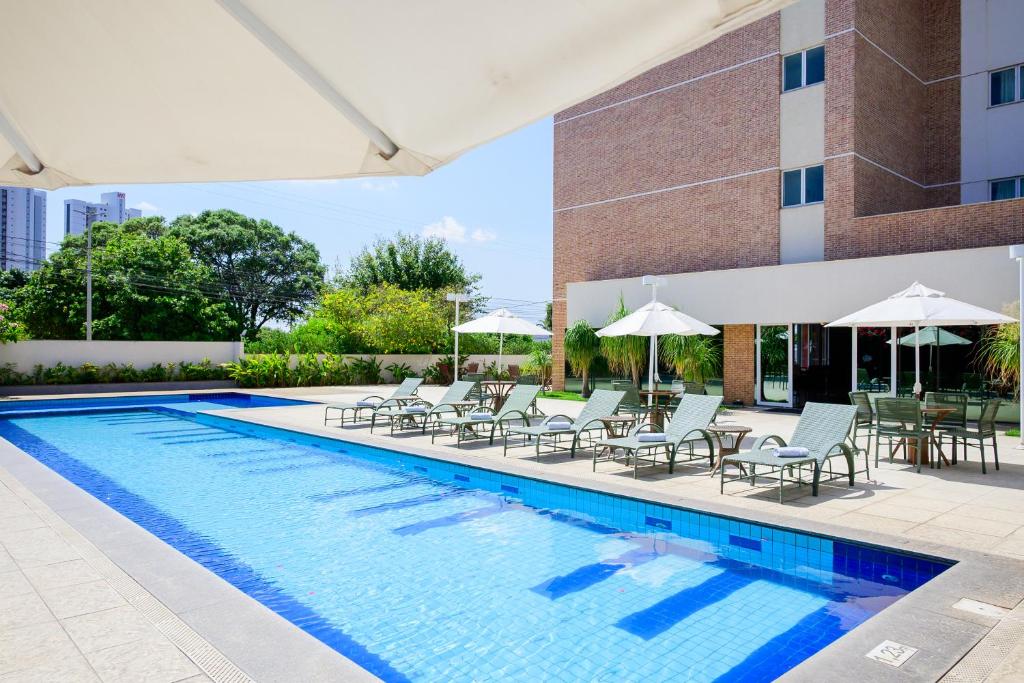
The central pilgrimage streets put churches and the memorial close to everyday shops; Lagoa Seca offers pool hotels and restaurants with separate trips to the old centre. Crato suits a quieter cultural itinerary, while Barbalha makes sense when its celebrations or local appointments are the main reason to come. These are connected cities, not one continuous sightseeing walk.
Common questions
Should I stay in Juazeiro do Norte, Crato or Barbalha?
For a first visit, Juazeiro gives you the broadest choice between the pilgrimage centre and Lagoa Seca's hotel restaurants and pools. Crato works well when its history and art are the main interest; Barbalha is useful for plans focused on that city. One hotel can serve all three, but allow actual road journeys between them. This is Juazeiro do Norte in Ceará, not Juazeiro in Bahia beside Petrolina.
How many nights should I plan, and when do romarias matter?
Allow three or four nights for Juazeiro, Horto and a day divided between Crato and Barbalha. Add time if you are attending ceremonies instead of fitting them around sightseeing. Candeias falls around late January and early February, Nossa Senhora das Dores in September, and Finados in late October and early November. Reserve the exact room early for these periods and check that year's programme and street access; there are other religious events throughout the year.
How do I arrive from JDO airport?
Juazeiro do Norte–Orlando Bezerra de Menezes airport serves the urban Cariri base. Aena lists taxis at the passenger terminal and bus line 06, Antônio Vieira/Aeroporto. Confirm the bus's current route and connection before depending on it with luggage. Send the driver the complete address and municipality: Crato and Barbalha are different destinations from a central Juazeiro hotel. Arrange arrival transport in advance if your landing or room access needs special coordination.
Can I manage without a car, and is the VLT useful?
You can combine walking within one centre with taxis or arranged rides between neighbourhoods and cities. The VLT do Cariri links Crato and Fátima in Juazeiro through several urban stations. It is useful when both ends match your plans, but it does not serve JDO airport, Barbalha or the Horto cable car. Consult Metrofor's current departures and return service, particularly on Saturdays and holidays; do not assume an evening or Sunday train will be available.
What should I know before visiting Horto?
The hilltop statue and the central memorial are separate visits. Caminhos do Horto's cable car has its lower station on Avenida do Agricultor in Salgadinho and its upper station by the statue. Check the operating day and final return before setting off, since the attraction is not open on every weekday. Allow time for the devotional setting and the view, with water and sun protection. If walking or boarding is difficult, ask the operator about the complete route rather than assuming the cable car makes every part accessible.
What is worth seeing beyond the pilgrimage stops?
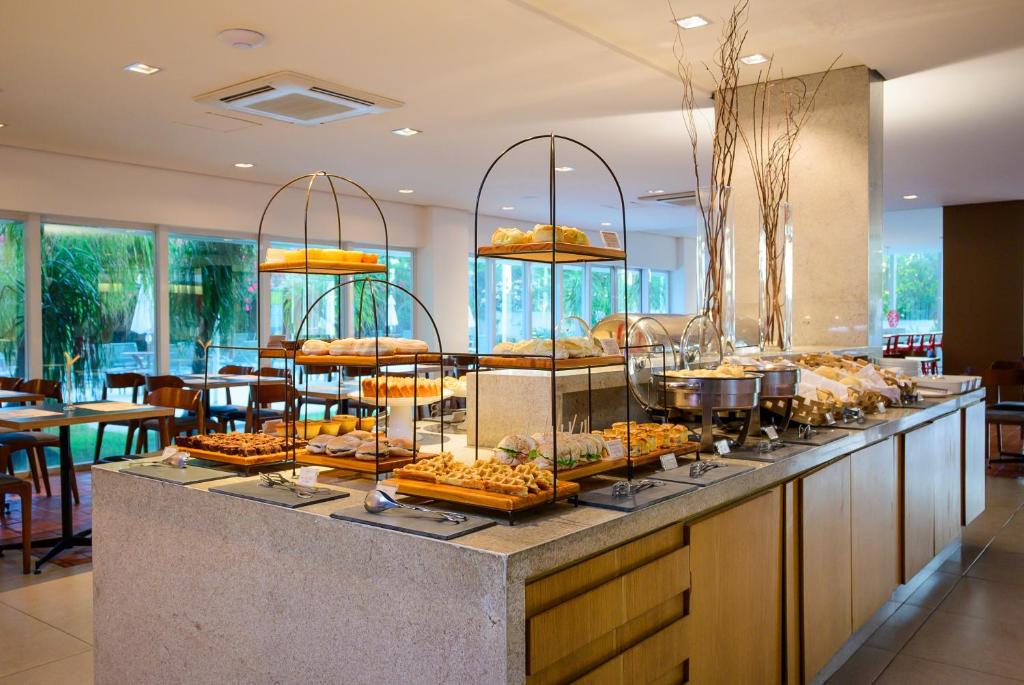
At the Centro de Cultura Popular Mestre Noza, workshops around a courtyard bring together regional craft in wood, clay, metal and natural fibres. Leave time to look at the work and speak with the artisans instead of making it only a quick shopping stop. The Memorial Padre Cícero adds furniture, clothing, photographs and documents to the story of the priest and the city. Combine these central visits with a relaxed meal; hotel restaurants in Lagoa Seca offer another setting for regional cooking.
What should I do in Crato and Barbalha?
In Crato, begin with the Museu Histórico J. de Figueiredo Filho and Museu de Artes Vicente Leite, reopened in March 2026 after restoration. Confirm current visiting arrangements on Rua Senador Pompeu before you go. In Barbalha, give time to the historic centre and the culture surrounding Santo Antônio. The Pau da Bandeira celebration includes carrying and raising the ceremonial pole, processions and popular cultural groups; it is more than a concert. Check the current year's festival programme before fixing a June stay.
Which season is best for walking and cultural visits?
Ceará's main rainy season runs from February to May, but Cariri can receive significant earlier rain in December and January. Do not treat a year-end trip as reliably dry. Outside the main wet period, plan exposed walks for the cooler parts of the day and leave a room, museum or restaurant break between them. Rain can change a hill visit, while pilgrimage crowds can affect the day even in clear weather. Check the local forecast and the event calendar together.
What should families and travellers with limited mobility check?
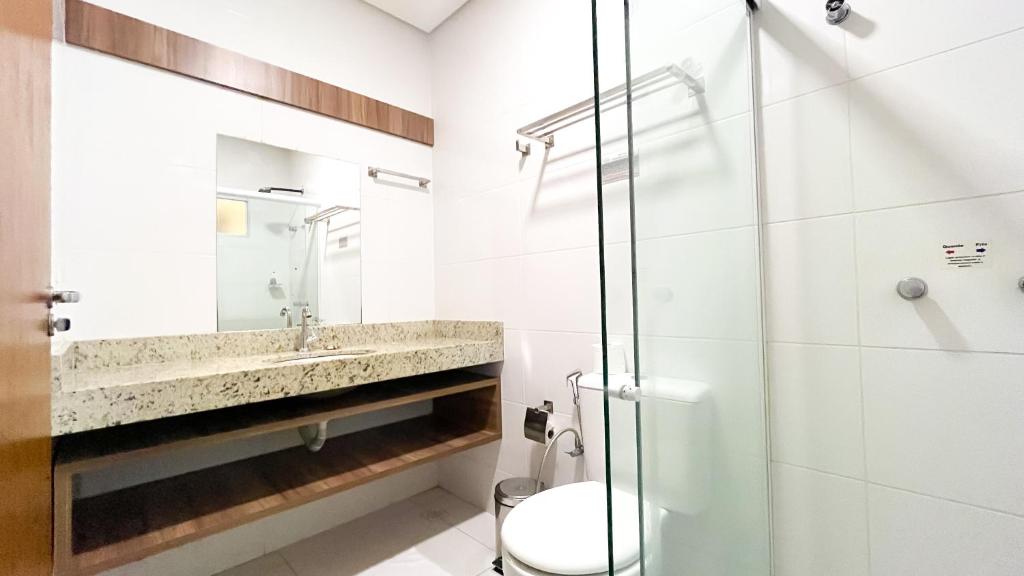
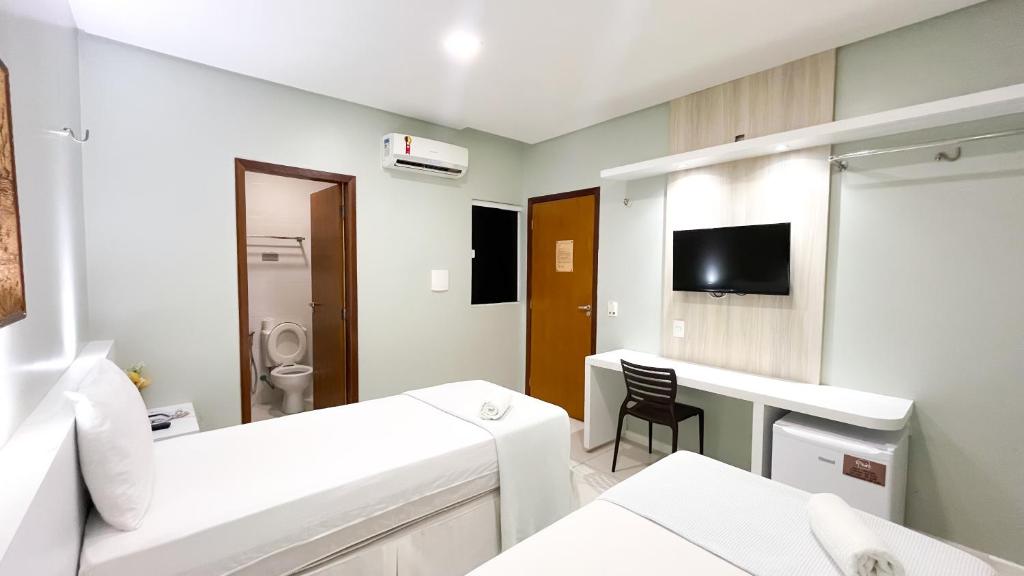
Book the real bed layout, not just a room labelled family: some triples use three singles, others a double and a single, and cots or extra beds may be unavailable. A balcony and sitting area can belong only to a suite. If swimming is central to the trip, select a hotel that explicitly lists its pool. For step-free needs, confirm the bedroom, bathroom, lift or ground-floor route and parking separately; a general accessibility label does not explain every doorway or stair.
Prices are set by the booking site. We may earn a small fee, at no cost to you.