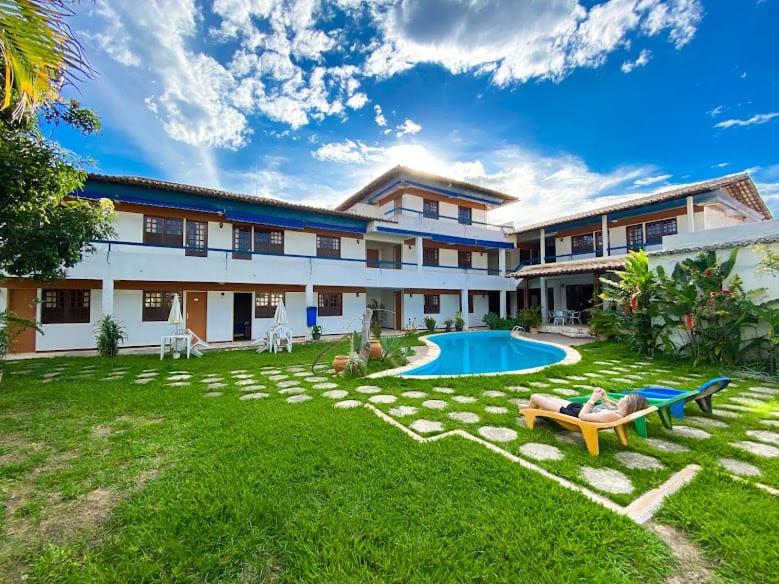
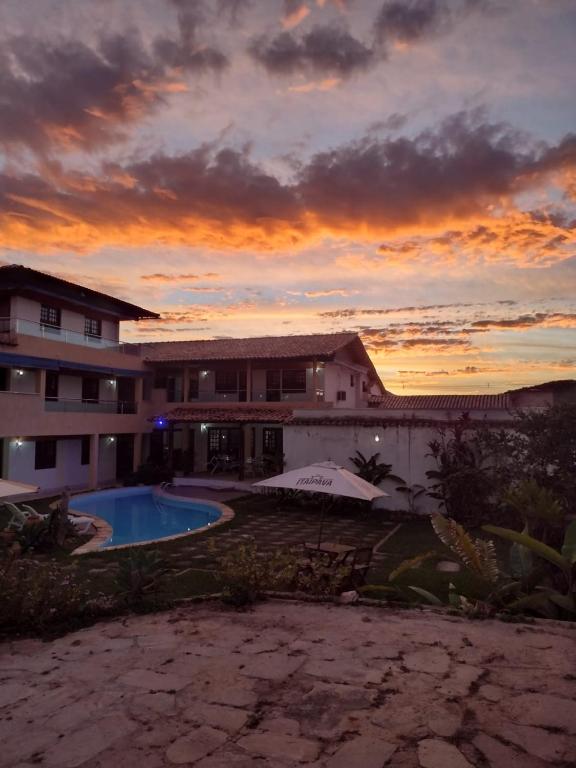
About Rio de Contas
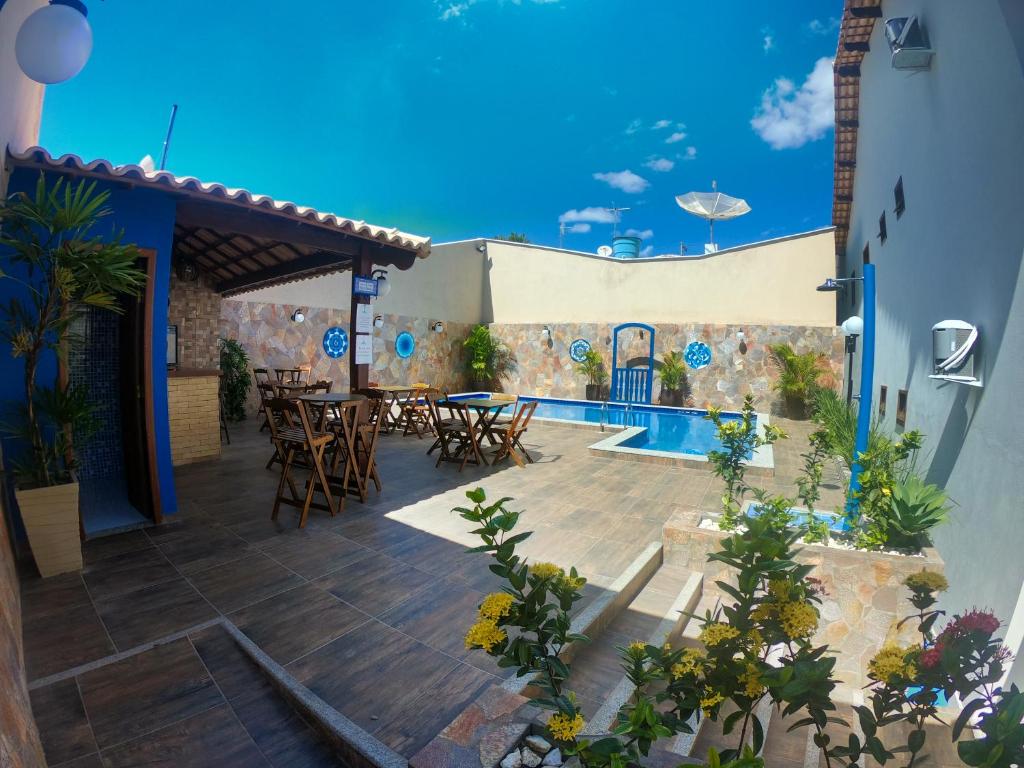
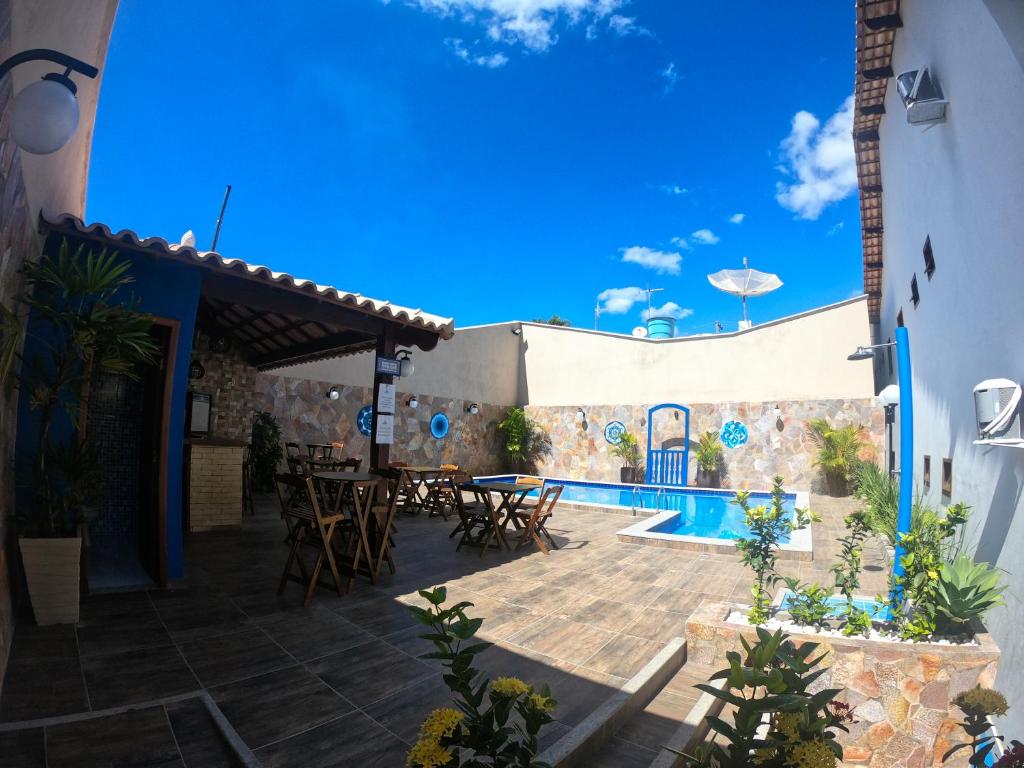
Rio de Contas is a highland town in southern Chapada Diamantina, shaped by gold mining, stone churches and the Brumado valley. Its compact centre makes a satisfying stay even when you are not heading for a summit: walk between historic buildings, eat locally and return to a pousada pool. Barão de Macaúbas and Quinze de Novembro suit central convenience, Rua Dr.
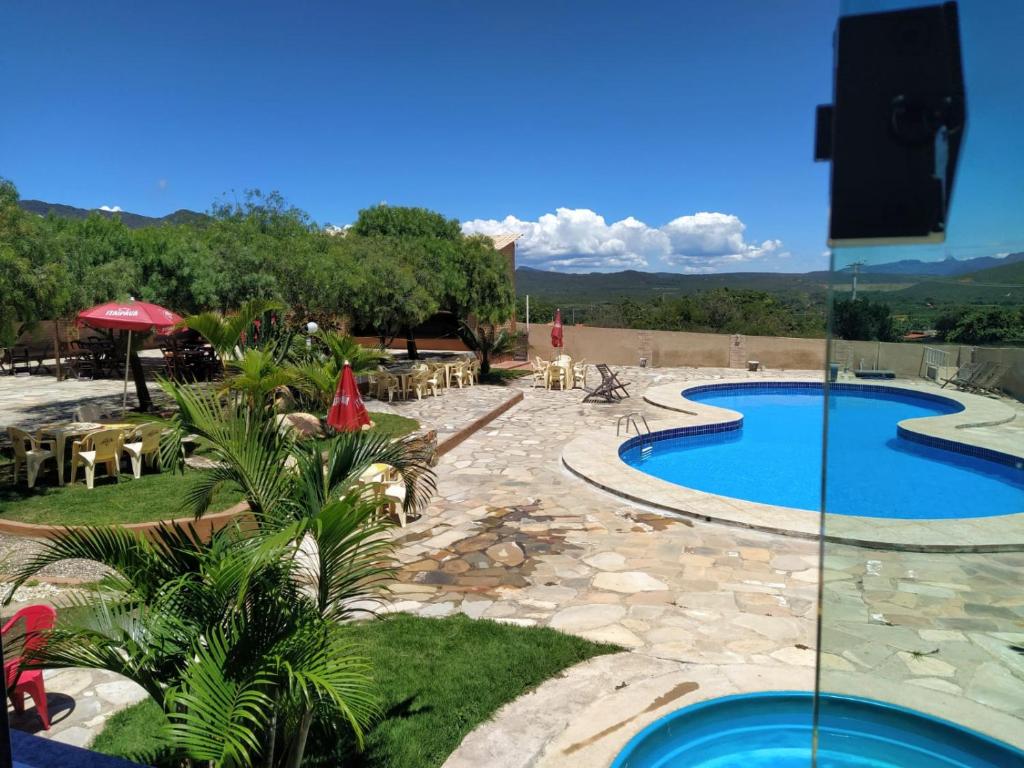
Basílio Rocha offers a classic inn setting, and Bairro Sossego adds more emphasis on gardens and views. The first two are nearby parts of the same town, while mountain excursions require their own road and walking plans.
Common questions
How many nights should I spend in Rio de Contas?
Three nights allow a relaxed arrival, a day for the historic town and nearby scenery, and one separately planned nature outing. Add another night if Pico das Almas is a priority, so a weather change does not use up your only available day. The trip works best when the town and pousada receive some time too, rather than treating every daylight hour as a transfer to a distant attraction.
Which airport and road approach should I choose?
Compare Vitória da Conquista, VDC, and Guanambi, GNM, when their operating flights fit your route, then arrange the remaining road transfer before booking a tight connection. Salvador, SSA, is also an option, with a much longer inland journey. Road approaches include the BR-242 and BA-148 route from the north and the Brumado–Livramento side from the south. Give your driver the actual airport and pousada address; a flight to Bahia does not complete the journey to the highlands.
Can I arrive by coach and visit without a car?
Published transport information lists Novo Horizonte’s Salvador–Rio de Contas route. Salvador’s main coach terminal is now in Águas Claras, separate from the airport. Ask the operator to confirm current departures, the boarding terminal and the town arrival point for your dates. A central pousada can then work with excursion transport arranged locally. Confirm whether a guide’s service includes the vehicle, hotel collection and the return journey. Bairro Sossego needs its own plan for evening outings, and distant trailheads should not be treated as stops on an assumed frequent town shuttle.
What should I see in the historic centre?
Make time for the Igreja Matriz do Santíssimo Sacramento, the unfinished stone Igreja de Santana and the Casa de Câmara e Cadeia. The last building, now used by the municipal tourism department, had its roof restoration delivered in April 2025; ask about current exhibitions and visitor access rather than assuming an old programme is still running. The gold-era streets reward an unhurried walk. Corpus Christi and the Noite das Lanternas add religious traditions when your dates match the current programme.
How should I plan a visit to Cachoeira do Fraga?
Treat Fraga as a nearby scenery outing whose access and water conditions need checking on the day. A local operator also combines it with Morro da Torre, describing a roughly two-hour walk with a steep ascent; that is a more demanding plan than simply visiting the waterfall. Decide whether you want the viewpoint climb before accepting a combined itinerary. Ask about current river conditions and any local restrictions on entering the water, and use the pousada pool when a river visit is unsuitable.
Is Pico das Almas an easy town walk?
No. Local trekking operators offer it as a separately organised mountain day, passing through the Vale do Queiróz and Portal das Almas toward a summit around 1,958 metres. Choose a guide and itinerary suited to the group’s fitness, and agree on the trailhead transfer, walking distance, ascent, food, water and return arrangements. A summit view depends on weather. For a gentler day, discuss a lower route or a town viewpoint instead of treating the high peak as a compulsory part of the visit.
When is a good season to visit?
A Bahia regional planning report identifies November and December as Rio de Contas’s wettest months. Plan extra flexibility for waterfall and mountain days then, while remembering that a seasonal pattern is not a forecast for your stay. The highland setting can bring cool evenings, so pack a layer alongside sun and rain protection. In drier periods, confirm water levels before choosing an outing for swimming; for walks, ask about current trail conditions rather than relying only on the month.
What local food and culture can I look for?
Regional cooking includes dishes using pequi, such as rice with the fruit, and local producers make liqueurs and artisanal cachaça. You can build a relaxed day around a town lunch, a historic walk and a café stop instead of driving between sights throughout the afternoon. Visits to producers or surrounding communities are separate excursions: arrange the host, road journey and return in advance, and do not assume a tasting or community visit is included with a pousada room.
What should families and travellers with access needs check?
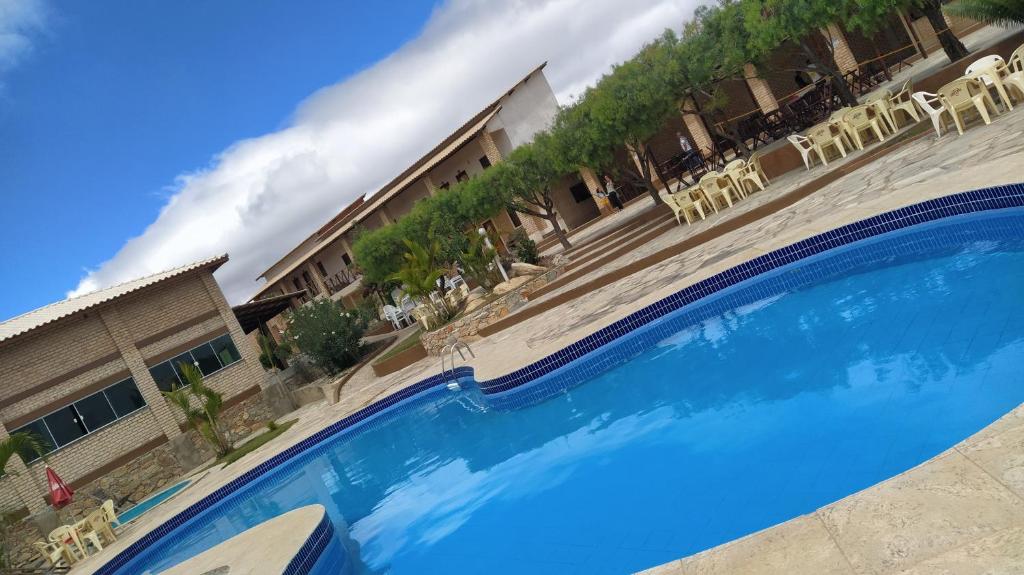
Reserve the real bed arrangement for the group. Central choices include a quadruple category with two singles and a double, a garden-balcony room for three, and a deluxe room advertised for two adults and one child. These are different bookings, not interchangeable family labels. The listed pools are shared facilities; check supervision, steps and the route from the room. For anyone who needs easier movement, confirm bedroom and bathroom access as well as the paths to breakfast, parking and the pool.
Prices are set by the booking site. We may earn a small fee, at no cost to you.