About Serra da Capivara
Serra da Capivara rewards several days among rock-art shelters, sandstone walls and the seasonal vegetation of the caatinga. Its accommodation choices are spread between São Raimundo Nonato, the PI-140 approaches and Sítio do Mocó in Coronel José Dias; they are not parts of one walkable town. A stay here combines guided outdoor circuits with two separate museums and time to recover from the heat.
The useful choice is whether you want town services, a larger pool hotel or a village pousada with regional meals. Choose your guide, transport and sleeping base together, rather than treating the park as a single viewpoint.
Common questions
Should I stay in São Raimundo Nonato or a park village?
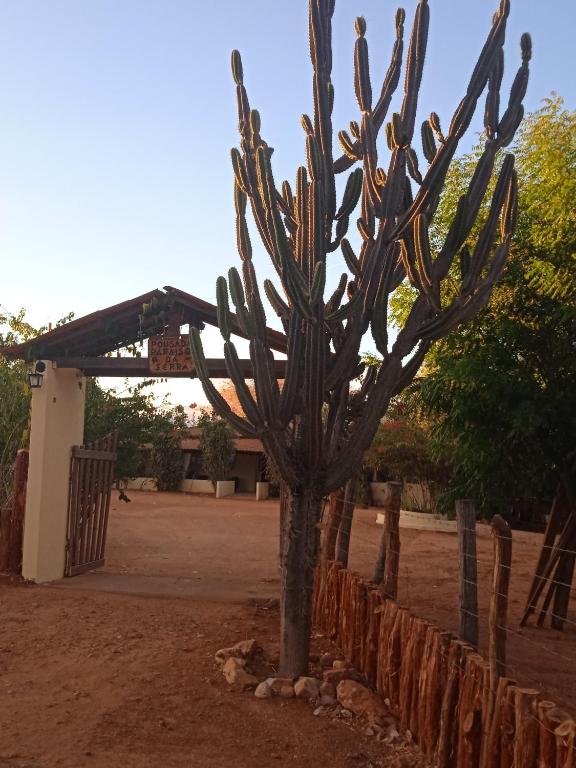
Choose town for supplies, the archaeological museum and a practical place to begin or end a long road transfer. Sítio do Mocó suits travellers who prefer a village pousada and regional meals near one of the park approaches; the PI-140 corridor offers more emphasis on pool and hotel facilities. None of these bases removes the need to plan a guide, vehicle and the correct gate for each circuit.
How many nights should I allow for Serra da Capivara?
Plan three or four nights for two or three full outings, museum time and recovery between walks. Add time around a long road arrival rather than using the first travel day as a guaranteed park day. More nights let your guide vary the circuits and walking effort instead of trying to fit rock art, viewpoints and both museums into one rushed visit.
How do I get to the Serra da Capivara region?
A flight to Petrolina or Teresina followed by a planned road transfer is a useful starting point: ICMBio gives roughly 300 km from Petrolina via Remanso and 530 km from Teresina via Floriano and PI-140. Check the current road and transfer arrangements before booking tight connections. São Raimundo Nonato has an airport, but build a local flight into the itinerary only when you have confirmed an operating service on your actual dates.
Can I visit without renting a car?
Yes, with transport arranged in advance. ICMBio states that there is no public transport from São Raimundo Nonato or Coronel José Dias to the park entrances, so agree who supplies the vehicle and driver as well as the registered guide. Confirm the pickup, chosen gate, return journey and meal stop; a guide booking alone is not a promise of a car.
Is a guide mandatory, and what should we agree beforehand?
A registered local guide is required for every park programme; ICMBio specifies groups of up to eight visitors per guide. Discuss the circuit, steps and walking distance, any mobility needs, transport and food before arrival. Some sites have adapted access and specialised chairs may be available, but that does not make every viewpoint or trail accessible; agree the exact route and assistance.
Which circuits are useful for a first visit?
Pedra Furada and Sítio do Meio provide a useful introduction to rock-art shelters and sandstone scenery, while the Alto da Pedra Furada viewpoint involves a climb. Your guide can add Serra Branca and the Maniçobeiros trail, Desfiladeiro da Capivara or Baixão das Andorinhas according to conditions and walking preference. These are different outings with varying effort; wildlife sightings and access to every circuit are not guaranteed.
Are the two museums in the same place, and when can I visit?
The Museu do Homem Americano is at FUMDHAM in São Raimundo Nonato and explains regional archaeological research. The Museu da Natureza is a separate road excursion near the park, focused on natural history and changes in climate and landscapes. FUMDHAM currently lists Wednesday to Sunday for both, with limited daily admissions; check reservations and holiday changes before fixing a museum day, and do not assume one ticket covers both.
What should I check about rooms, meals and pool facilities?
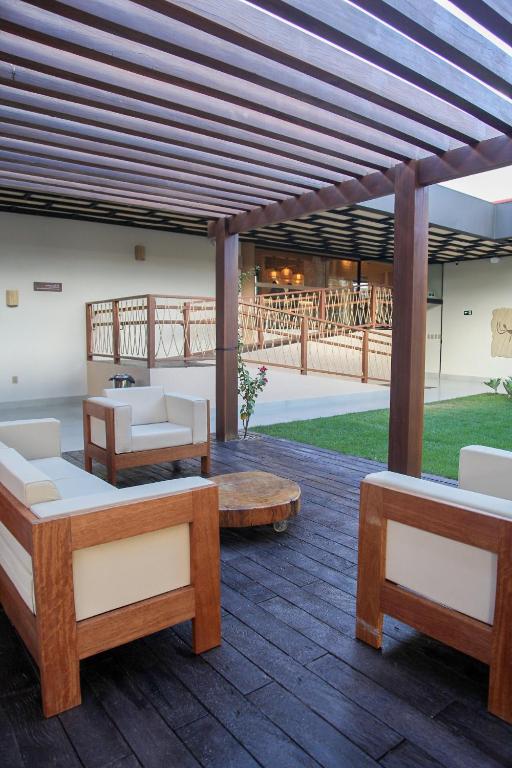
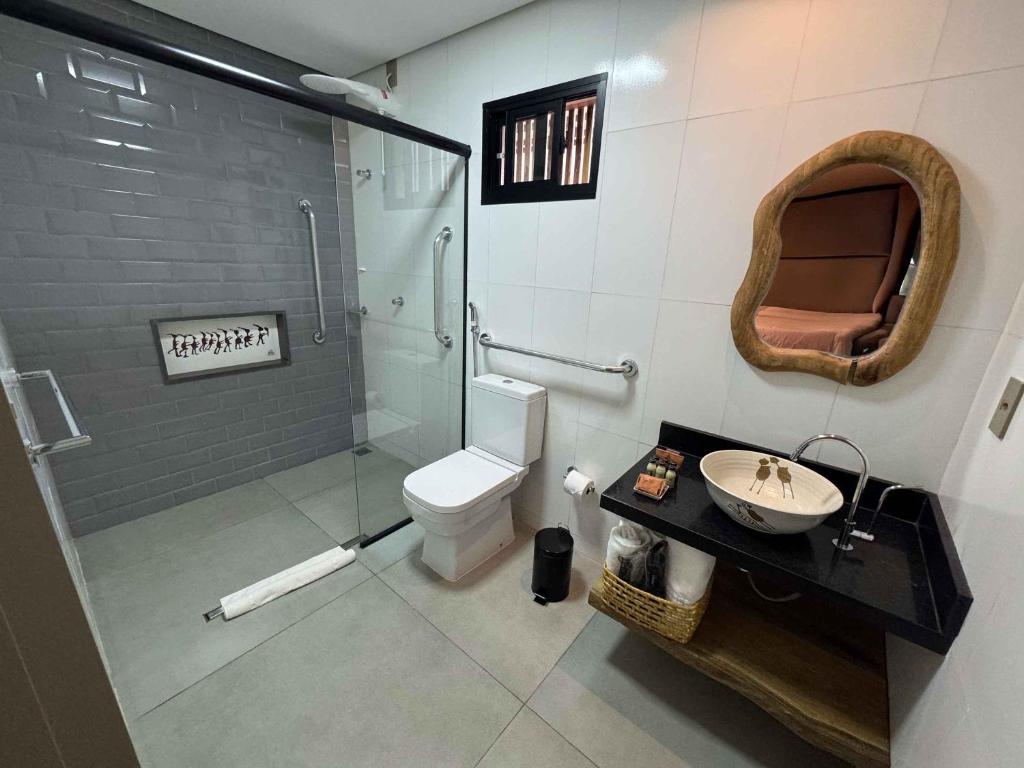
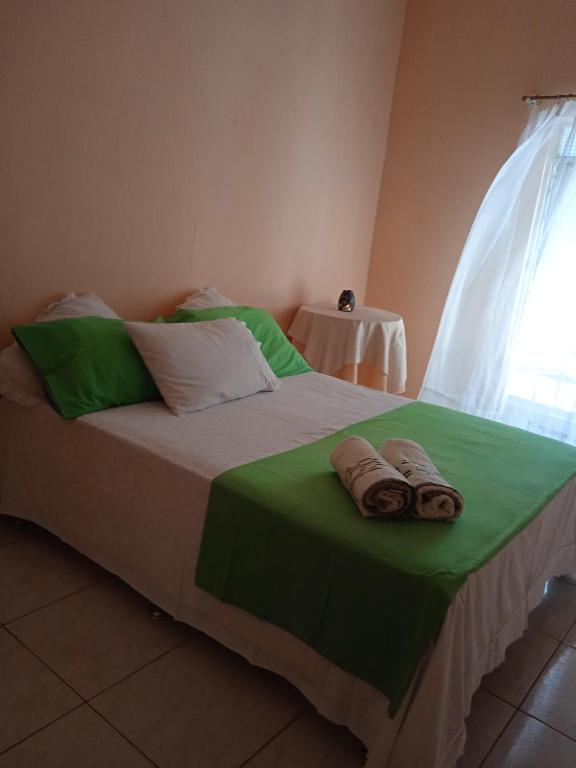
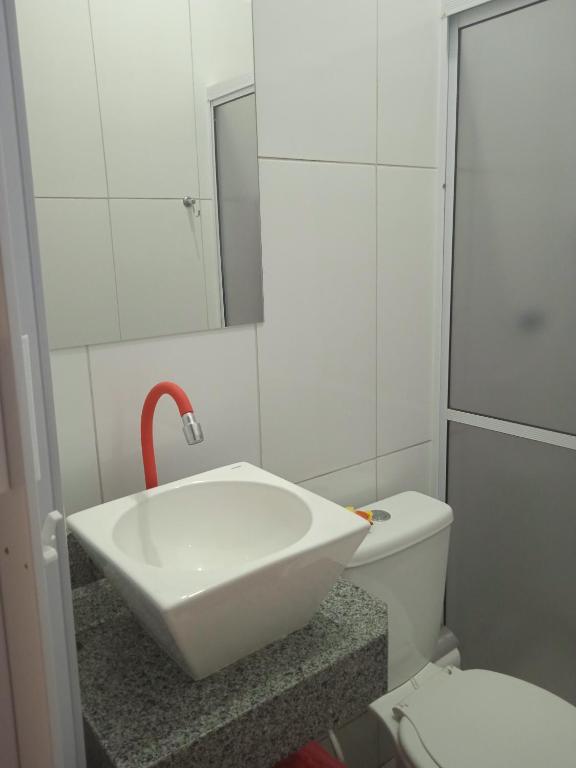
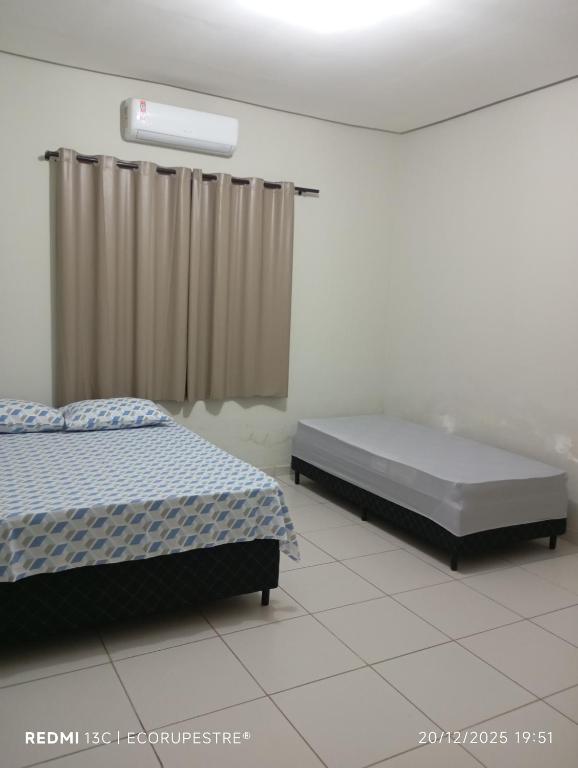
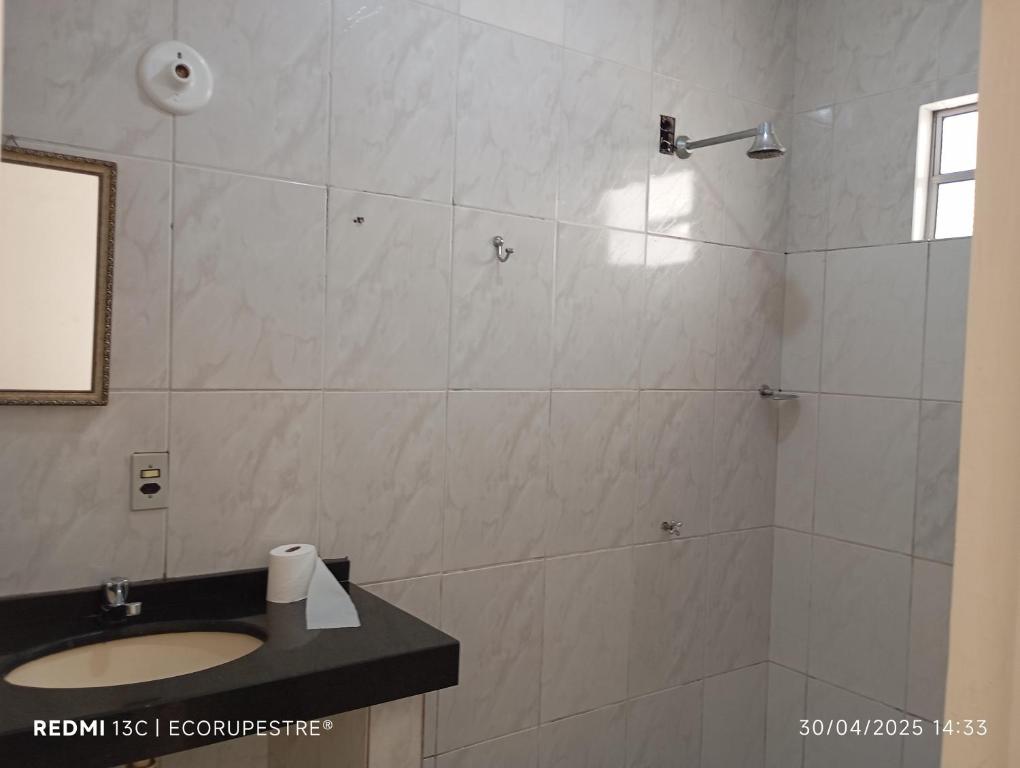
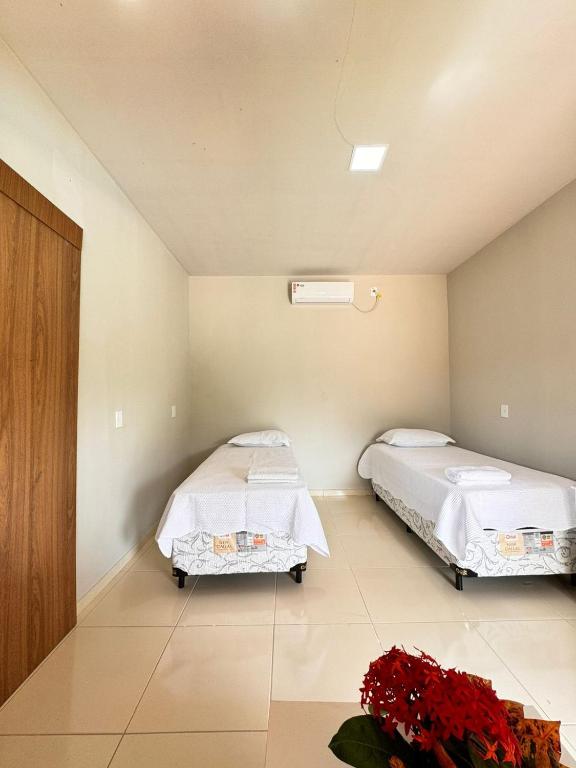
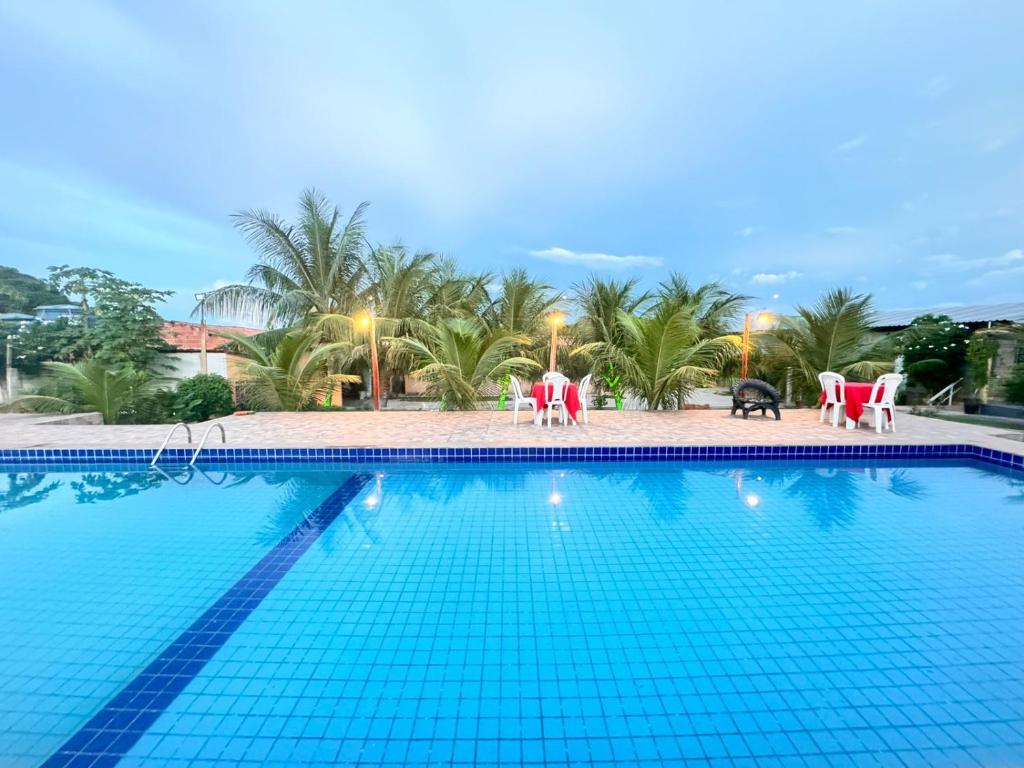
Select an actual private room rather than a dormitory bed, and read whether that category has a private or shared bathroom. Air conditioning, a patio, hot water and a view should be confirmed for the room you book; a communal kitchen is different from a restaurant or a kitchen inside the bedroom. Pools are shared facilities where listed, and village dinner arrangements are worth agreeing before a long day out.
How does the season change the visit?
ICMBio describes January to July as relatively milder, with leaves and flowers providing more shade; rainfall can create temporary waterfalls, and foliage changes colour around May and June. August to November is generally the hottest period, with much of the vegetation leafless. Plan water, shade and breaks with the guide, and adjust the walking rather than expecting the same landscape or conditions throughout the year.
Prices are set by the booking site. We may earn a small fee, at no cost to you.