About Vale do Capão
Vale do Capão, officially Caeté-Açu, is a mountain village in Palmeiras municipality, beside Chapada Diamantina National Park. Come for walks, waterfall viewpoints and a slower stay in a garden pousada, with village restaurants and a strong vegetarian food culture between excursions.
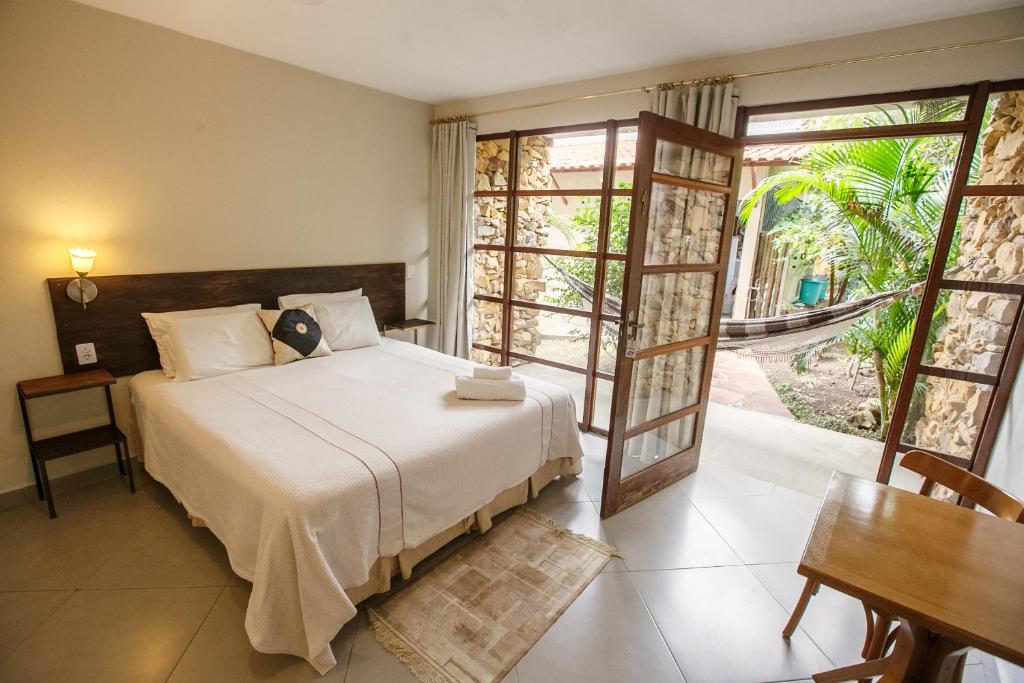
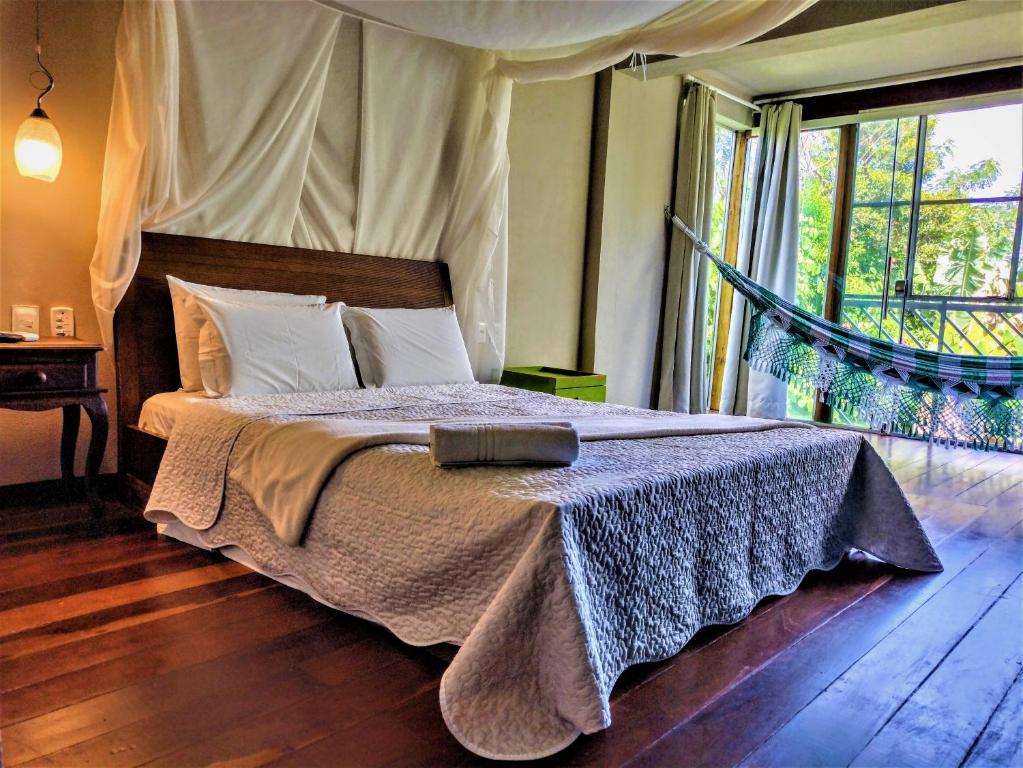
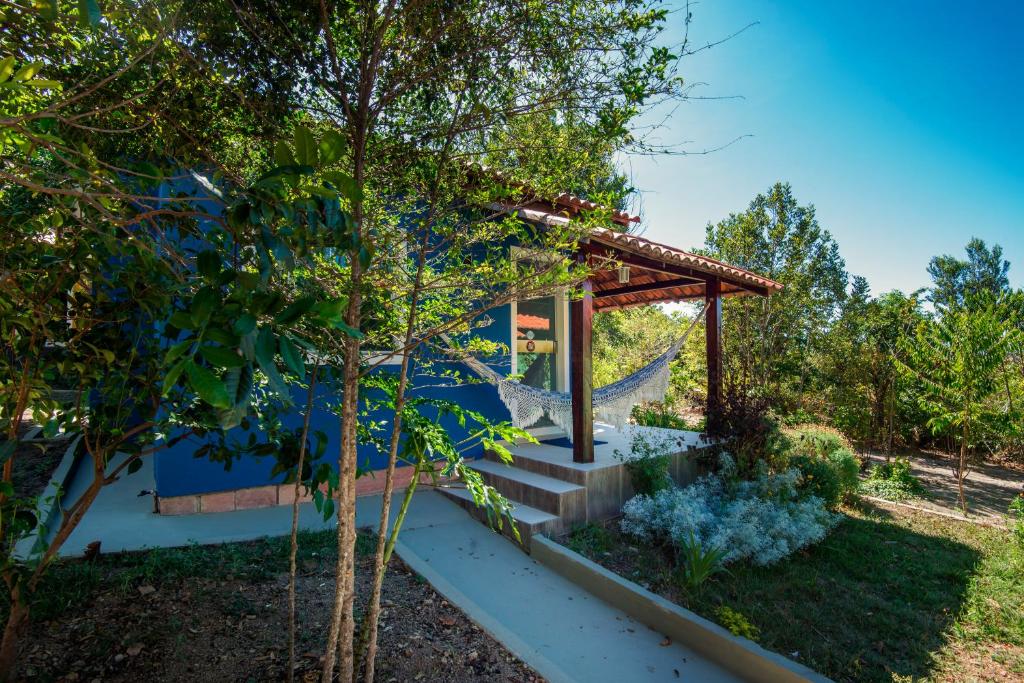
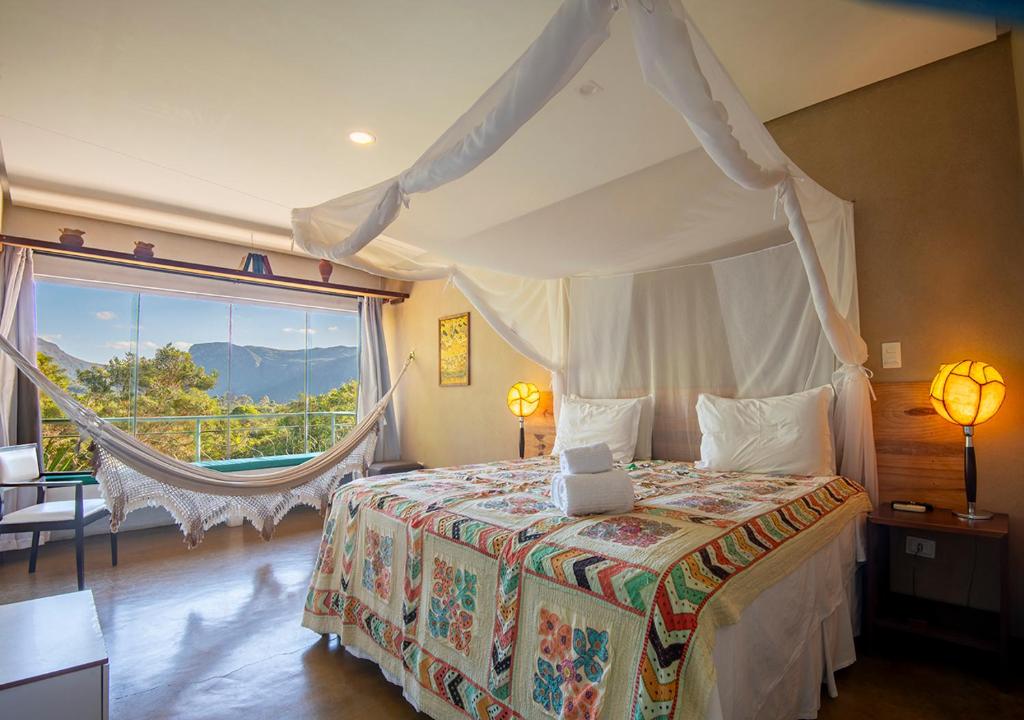
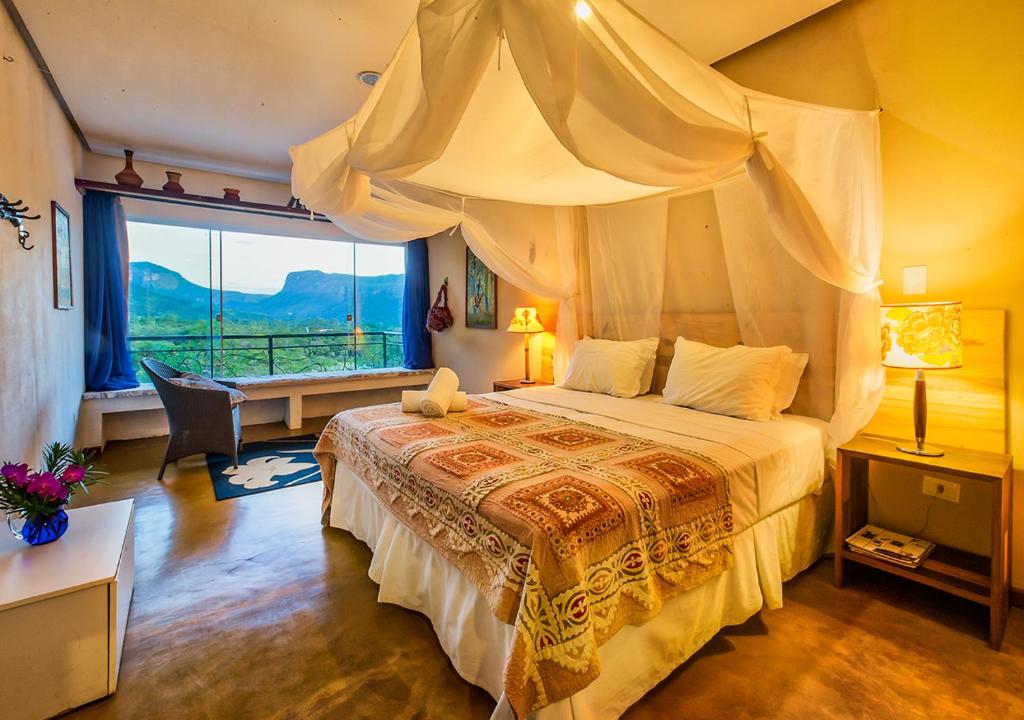
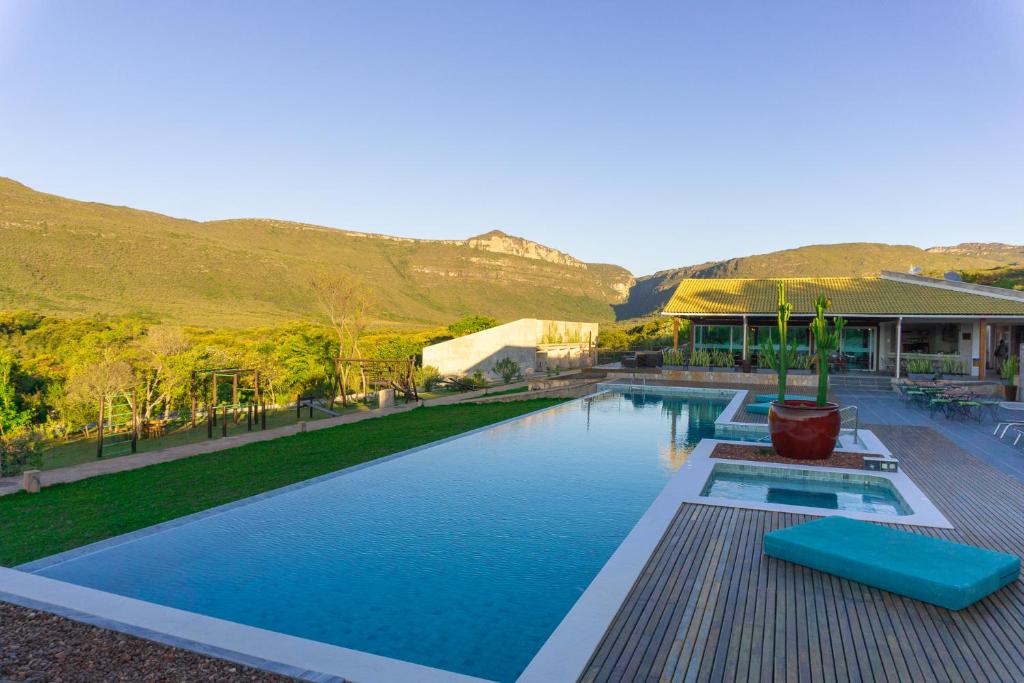
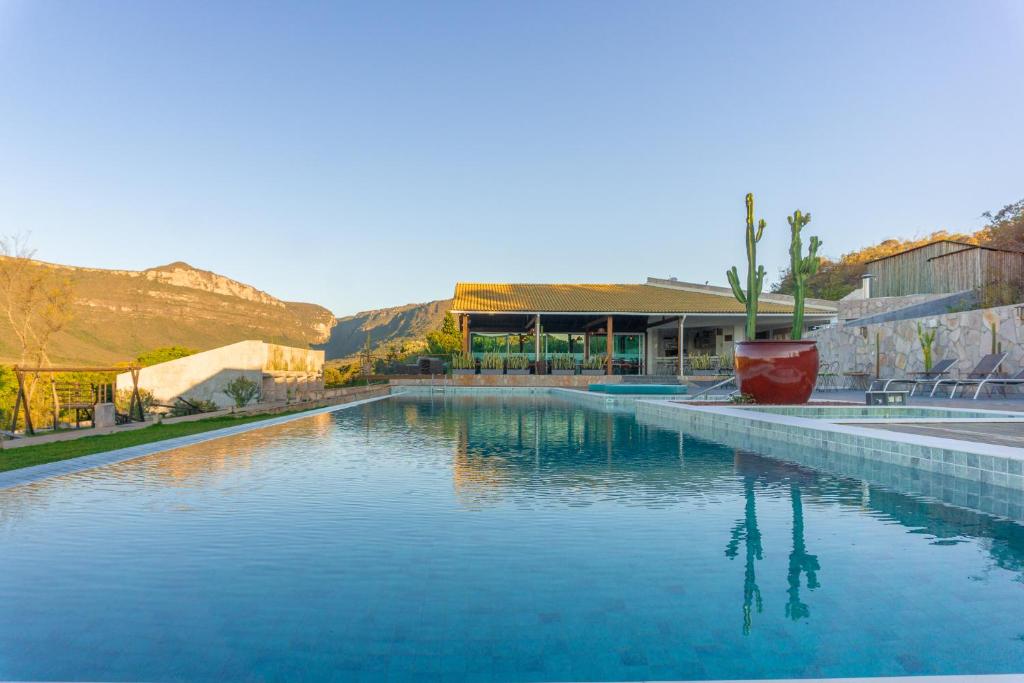
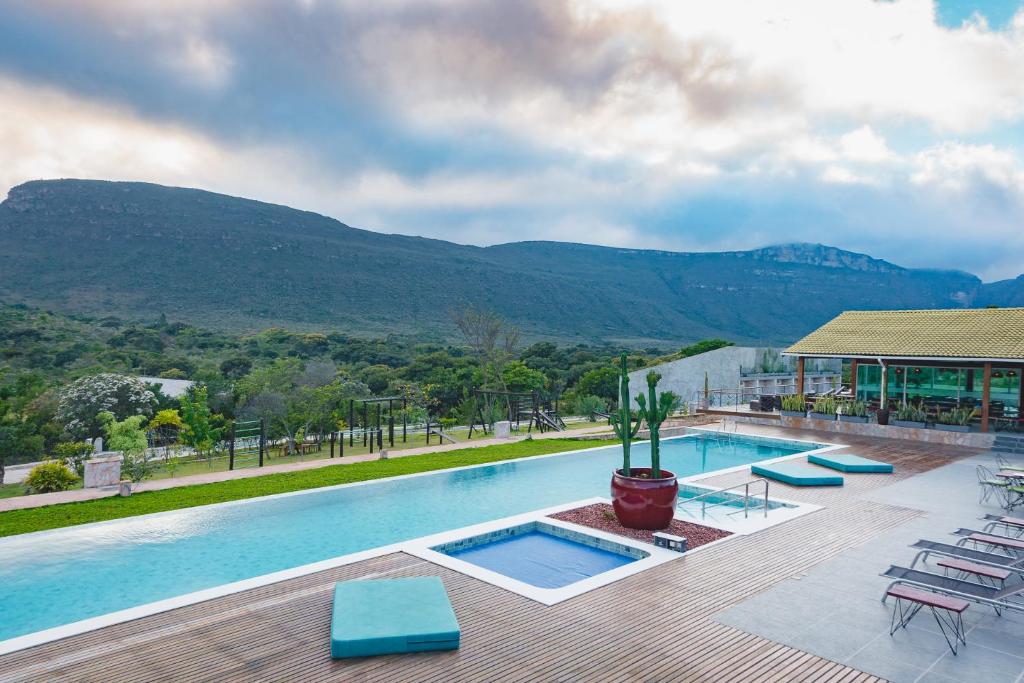
The centre is easiest for meals without driving; Chamego lets the accommodation’s spa and dining shape the day; Vila dos Campos suits a chalet with cooking facilities; and the northern approach offers bungalows and shared pools. They belong to one valley base, but the final road to your room matters as much as the destination on the booking.
Common questions
How many nights should I spend in Vale do Capão?
Allow three or four nights for a first visit: arrival, a substantial walking day, a lighter outing and time in the village or pousada. Add nights if you want several longer trails or a more restful rhythm. A single overnight leaves little flexibility for rain, tired legs or an awkward onward connection. Lençóis is a separate stay base, so changing between the two deserves its own transfer plan.
How do I arrive from Salvador or Lençóis airport?
Current Rápido Federal information describes the Salvador–Palmeiras coach journey as roughly seven hours, followed by about 20km of local road transport to Capão village. Salvador’s main coach terminal is in Águas Claras, separate from the airport; verify the dated ticket and arrange both connections. Lençóis airport is another option when an operating flight fits your itinerary, with a prearranged road transfer to the exact pousada.
Do I need a car, and is the access road paved?
A central stay can work without a car if you book transfers and agree trail meeting points in advance. The main Palmeiras–Caeté-Açu road was paved in 2025, but this does not describe every valley lane or hotel approach. The selected northern property still specifies 2km of dirt road. Ask your accommodation for current access instructions, a precise arrival pin and a reliable return arrangement before leaving for an outing.
What does the walk to the top of Cachoeira da Fumaça involve?
ICMBio describes about 5km from the Campos trailhead to the upper viewpoint, taking around two hours outward, with a sustained steep climb. Allow additional time for the return, pauses and the view. This route does not offer river bathing. Treat it as a proper walking day with drinking water, food and suitable footwear, and ask the local visitor base about the current trail and waterfall conditions.
Is a guide compulsory, and where should I ask about trail conditions?
ICMBio recommends a visitor guide because park trails can be poorly marked and mobile reception is unreliable; that is not a blanket rule making a guide compulsory for every walk. The local ACV-VC association and volunteer brigade provide information at the Fumaça trail entrance. Ask for the current route rules, explain your fitness and experience, and agree the walk and return plan before setting off. Carry essential information offline.
Can I add the waterfall’s base or Vale do Pati to the same day?
Do not treat either as a casual extension of the upper viewpoint walk. ICMBio’s below-Fumaça route example is a 25km crossing over three days and two nights, ending toward Lençóis. Pati also needs a separate itinerary with the guide, including overnight accommodation, meals, luggage and the return transfer. Keep a valley pousada booking and a multi-day trekking arrangement distinct, so neither depends on an assumed late return.
When should I visit, and how does rain affect the plan?
Regional climate documents place much of the Chapada’s rain between November and March. This is a broad pattern, not a forecast for your particular valley or walking day. Rain can change stream levels and footing, while a dry spell can reduce waterfall flow. Leave room to move a longer walk, check conditions locally and pack a rain layer. A mountain stay also calls for a layer for cooler evenings.
What can I do between longer walks?
Spend time in the village’s cafés and restaurants, including its vegetarian food scene, and ask locally about the current music or community programme. A garden, reading area or booked spa session can make a rest day worthwhile without another road journey. If you want a shorter nature outing, discuss options such as Riachinho with the guide or accommodation and check water and access conditions; shorter does not automatically mean suitable for every visitor.
What should families check about pools, bathrooms and kitchens?
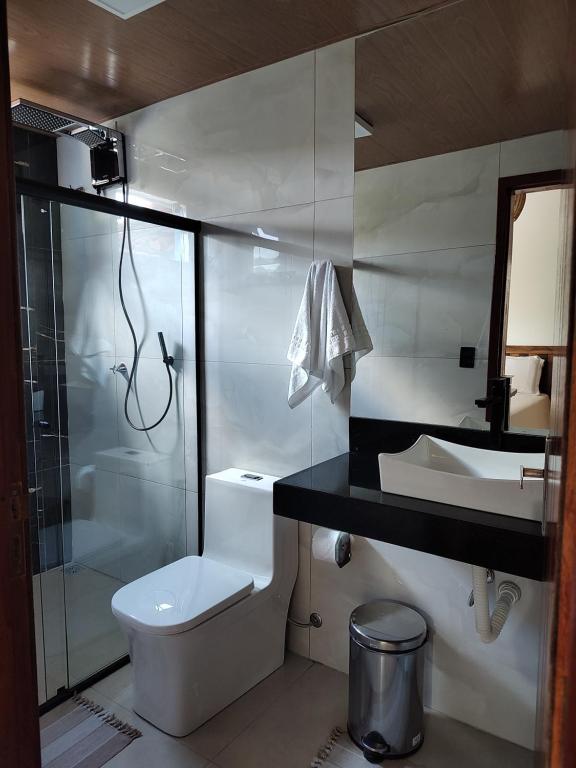
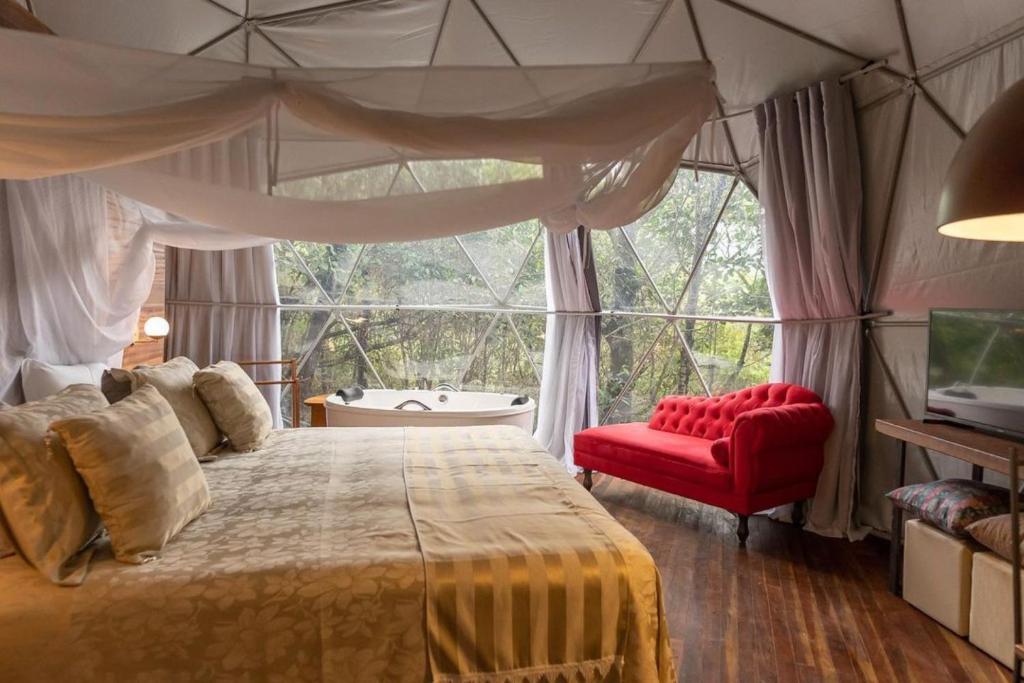
Book the exact arrangement that matters to you: a private room with its own bathroom instead of a dorm bed, two bedrooms rather than a larger single room, or a unit with confirmed cooking equipment. Shared heated pools and private whirlpool baths are different facilities. In this selection, private whirlpool baths and kitchens belong to specific categories, and a Deluxe bungalow’s veranda bath is not a feature of every bungalow. Ask about steps, pool supervision and meal arrangements before relying on a property day with children.
Prices are set by the booking site. We may earn a small fee, at no cost to you.