About Chã das Caldeiras
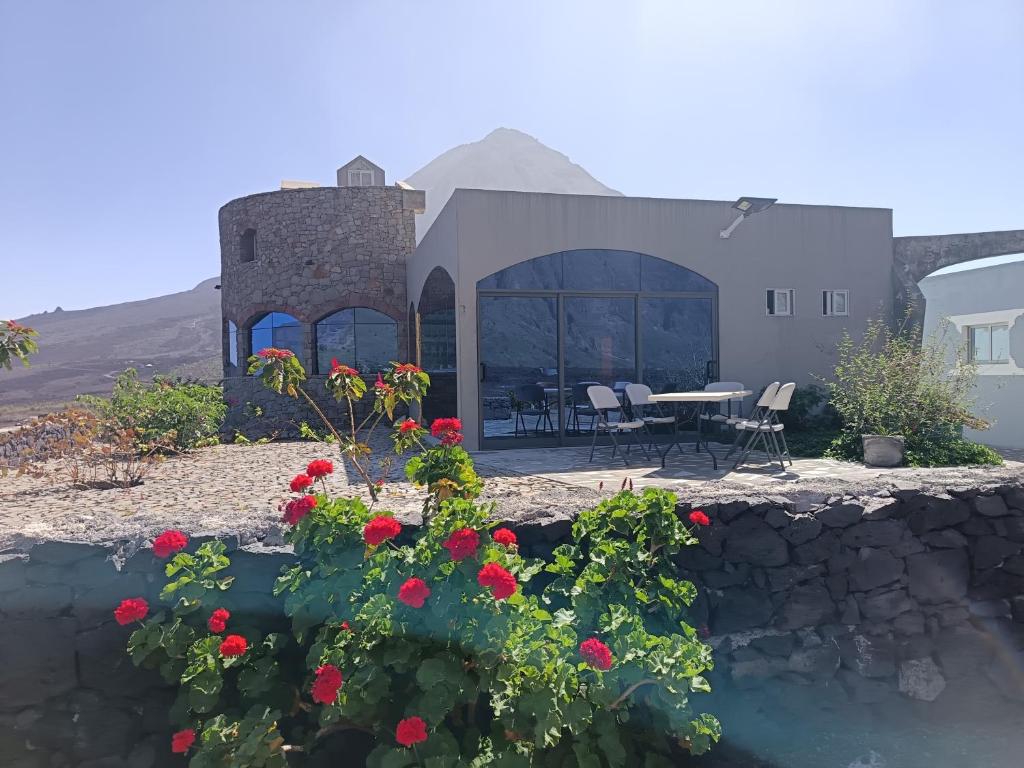
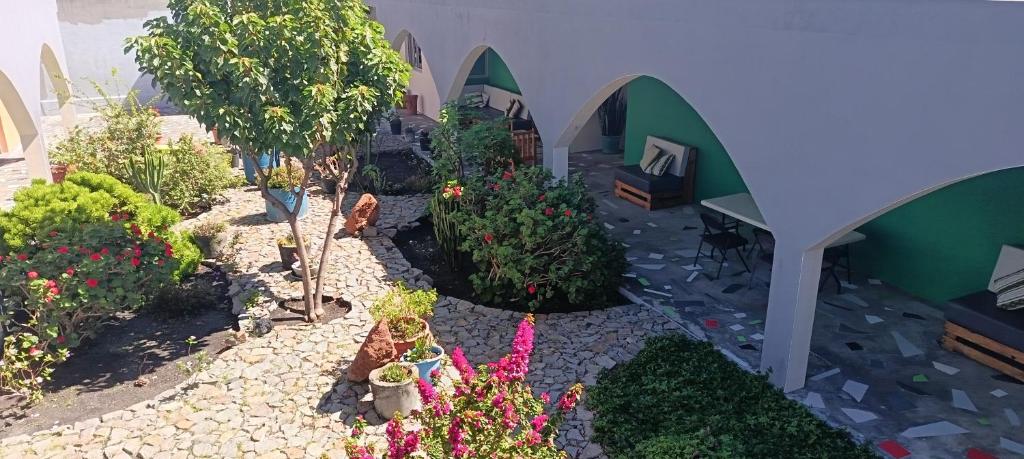
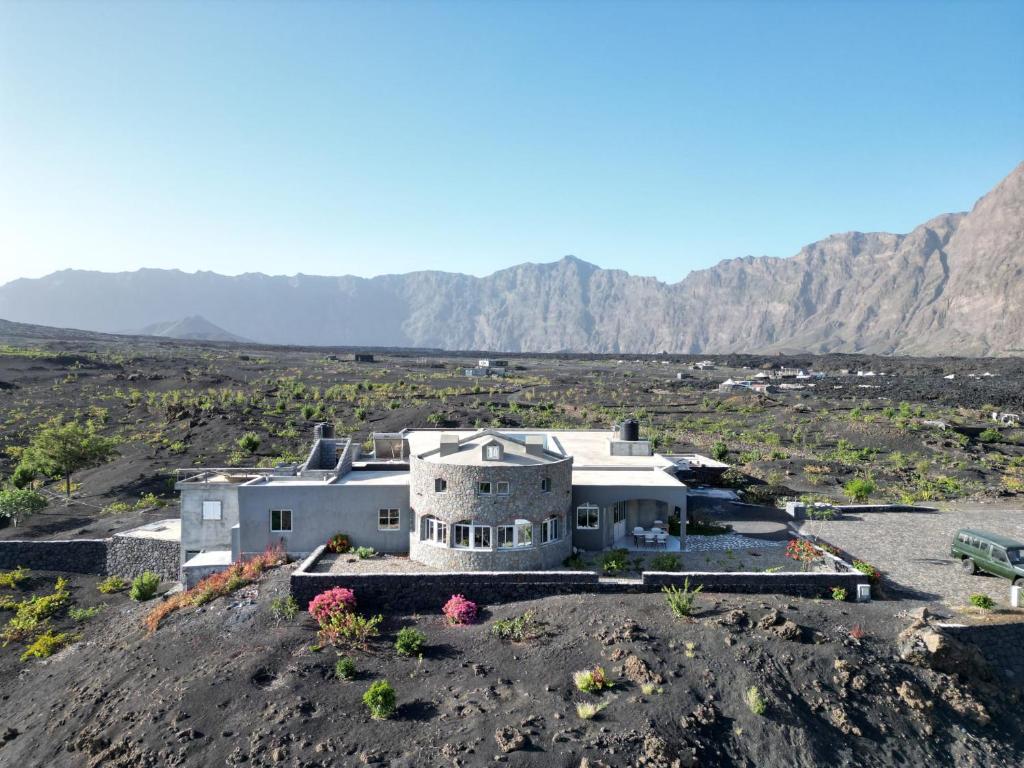
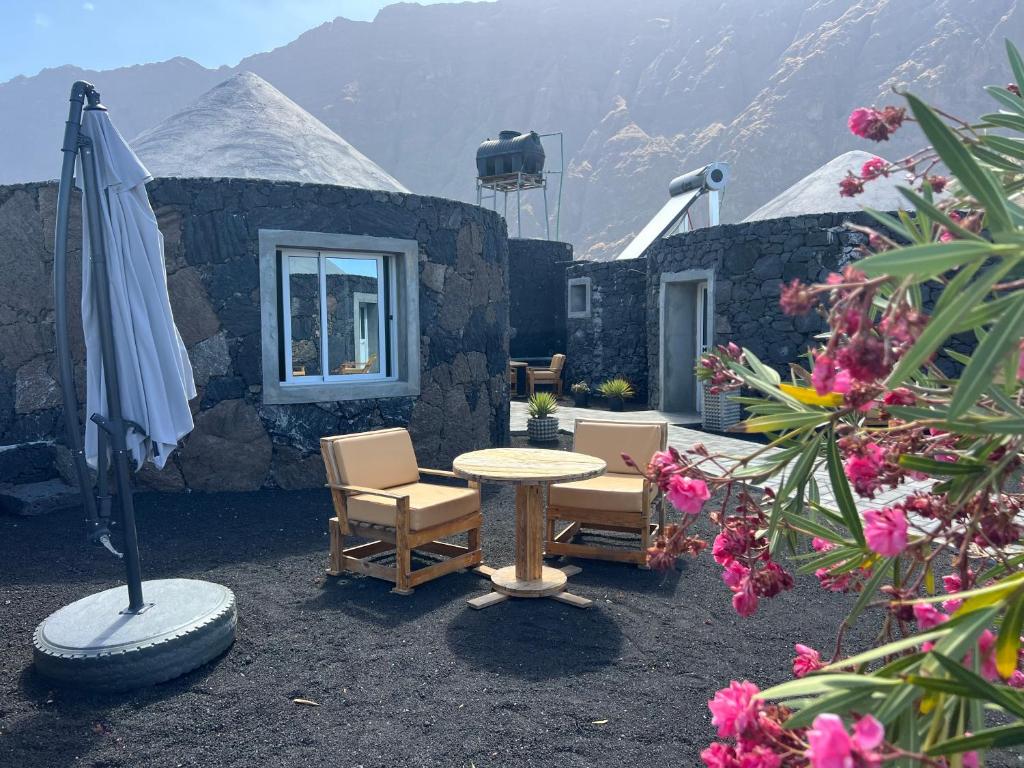
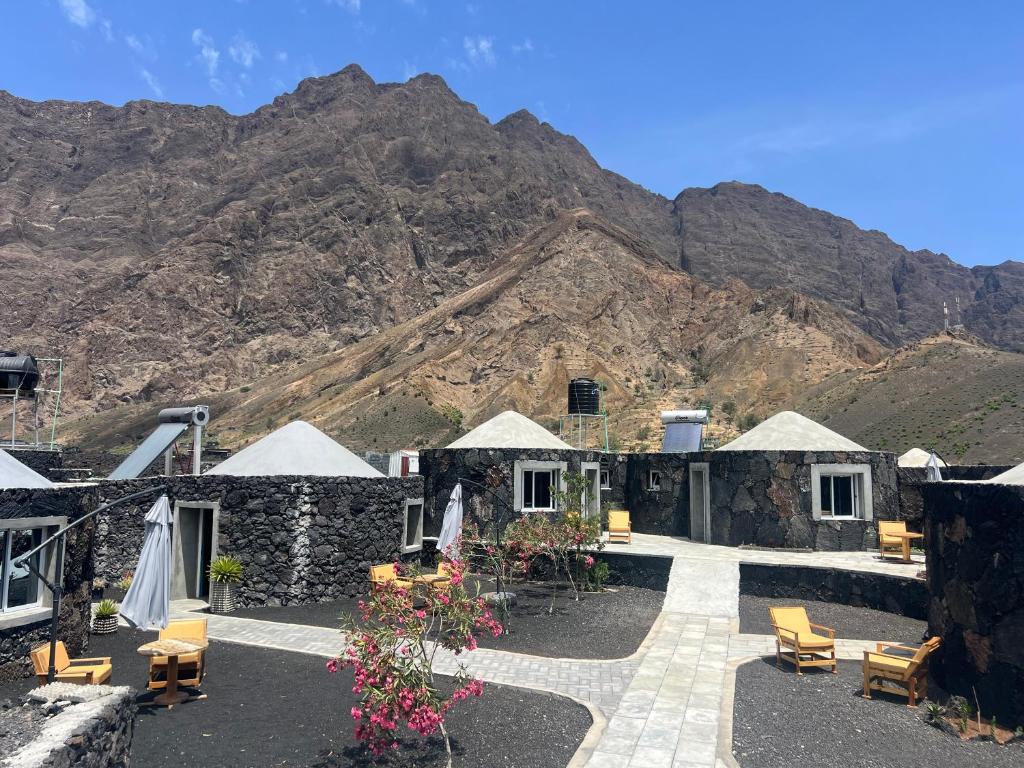
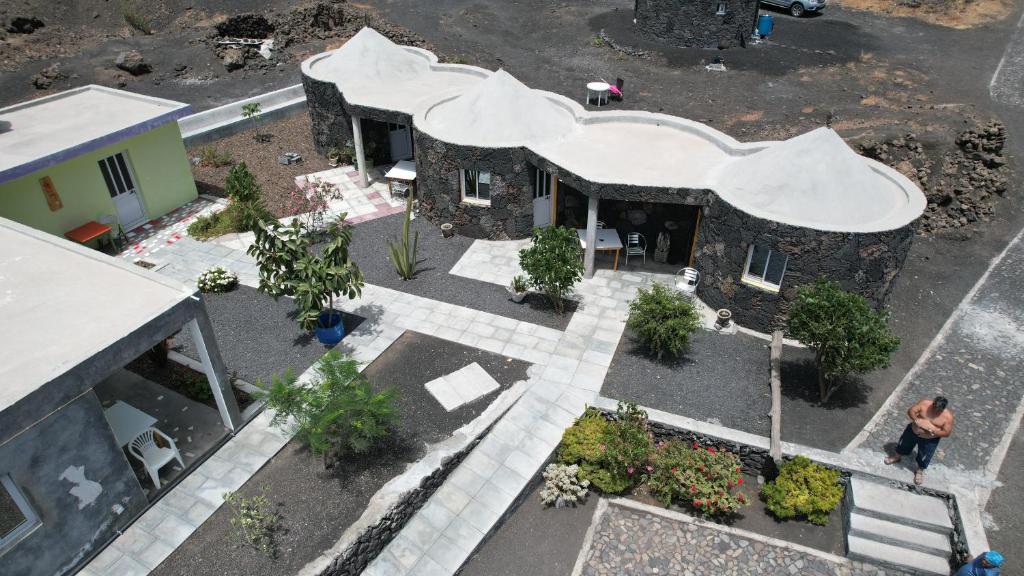
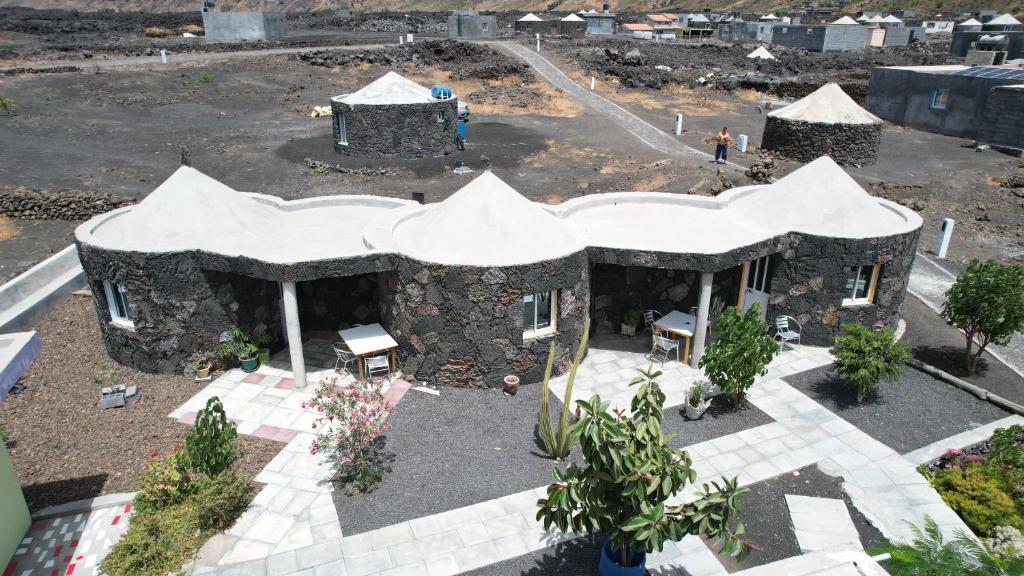
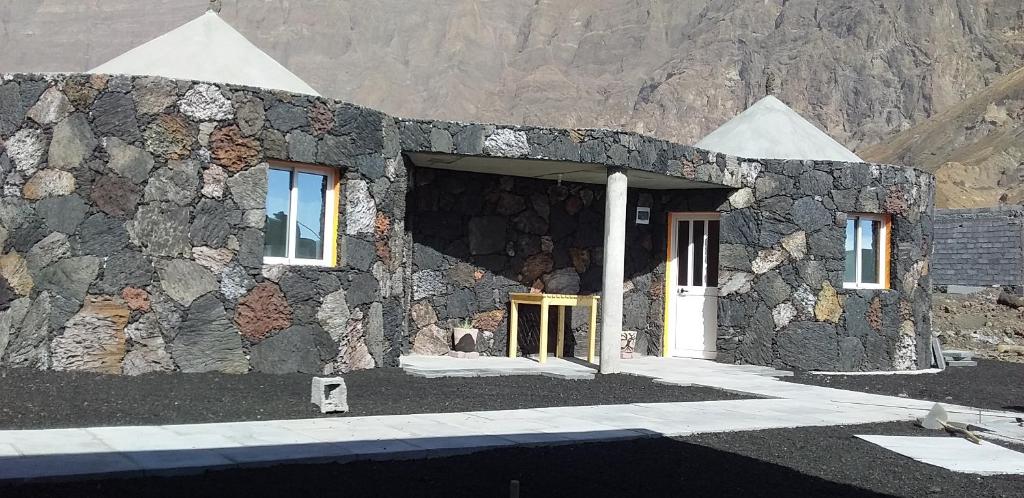
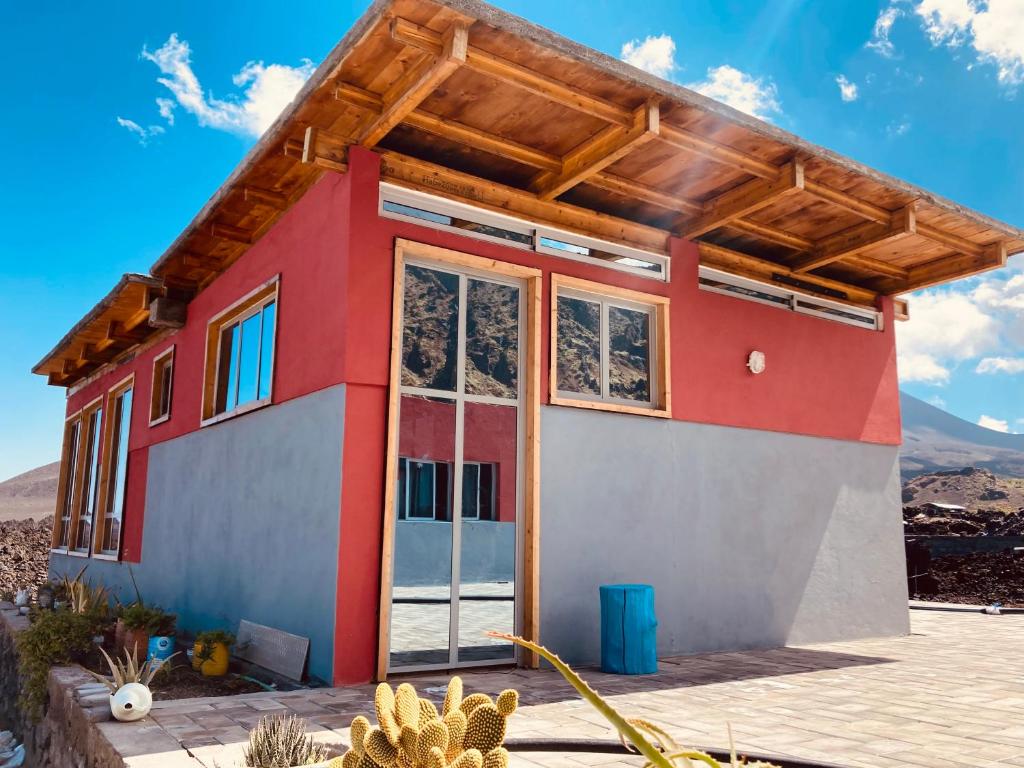
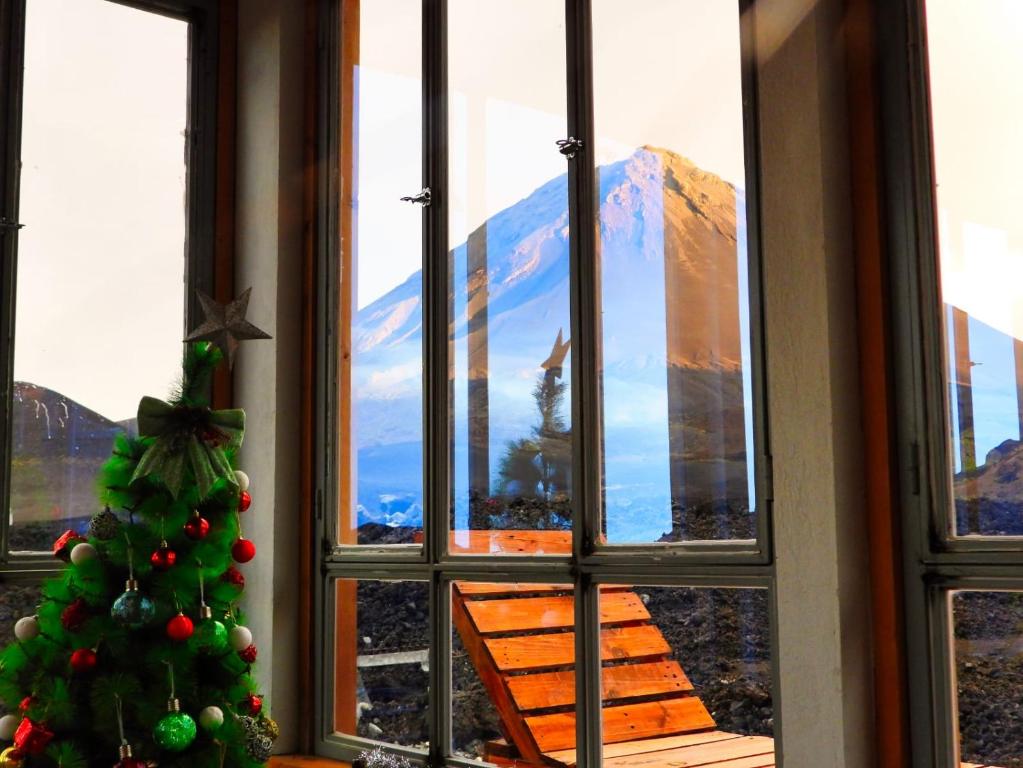
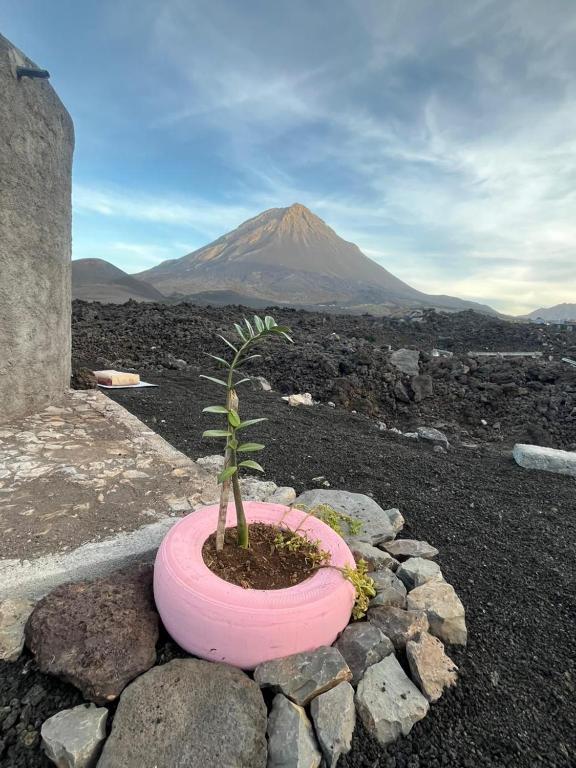
Chã das Caldeiras is the high volcanic plain inside Fogo's great mountain enclosure, with inhabited villages, cultivated plots and small guesthouses beside the lava. An overnight stay changes the rhythm of a volcano visit: there is time for a meal with local hosts, an early meeting with a walking guide and an unhurried evening after the day visitors leave.
At roughly 1,700 metres, the setting feels very different from São Filipe on the coast. Portela offers the main compact lodging cluster, its western lava edge has a more exposed setting, and Bangaeira extends the village choice to the north. These are nearby parts of one caldera base. Choose by the room, host and arrangements for your walk as much as by the map.
Common questions
How many nights should I stay, and is it better than a day trip?
Two nights are a useful starting point: arrive and settle in, spend the next day walking, then leave without adding the road journey to the end of a tiring hike. Three nights suit travellers who want a second, gentler outing or more freedom to adjust plans. A day trip from São Filipe can introduce the caldera, but staying lets you start from the village and enjoy meals and evening life here. You can combine nights on the coast with nights in Chã rather than using either place for every part of the island.
How do I reach Chã das Caldeiras?
Reach Fogo through São Filipe airport, code SFL, or the island's ferry port at Vale dos Cavaleiros, then arrange the road journey up to the caldera. Give the host your actual flight or sailing and obtain a pickup confirmation and meeting point. Check inter-island services for your travel date before tying the room to a tight connection. A property labelled São Filipe by an online platform may actually be high in Chã, so read its physical address. Keep flexibility before an international departure and confirm the downhill transfer as well as the arrival.
Do I need a car once I am staying here?
A car is optional when you prearrange the arrival, meals and guided walks with your accommodation. The village clusters are close, but a hike can finish far from the room, so agree its endpoint and return transport beforehand. A rental vehicle can help with independent road excursions; ask for current directions, suitable parking and road conditions before driving in. Do not assume that a map line is a driveable shortcut across lava. For a short walking stay, dependable host arrangements often matter more than having a car parked outside.
How should I plan the main Pico do Fogo climb?
Book a local walking guide and discuss the route, starting time, current access and your experience before arrival. The main peak reaches 2,829 metres, and official tourism guidance allows about six hours for the guided walk, excluding road transfers. Pico and Bordeira routes are not waymarked. The main peak is a substantial climb with loose volcanic ground and an exposed descent; it needs its own day and a realistic assessment of fitness. Agree where you meet, what is included and how the return works. Take proper walking shoes, water, sun protection and a warm layer for the high ground. Ask about current weather and volcanic conditions locally, and keep a gentler plan available if the guide advises against the intended route.
Is there enough to do without climbing the main summit?
Yes. A stay can focus on the villages, cultivated ground, volcanic landscapes and local food, with shorter walks chosen with a guide. Ask about a suitable shorter route toward Pico Pequeno and visits connected with the caldera's vineyards and local manecon wine; confirm access and arrangements rather than assuming an open tasting room. Time at a terrace or around a family meal is part of the appeal. Treat the rebuilt villages as living communities, ask before photographing residents, and leave stones and plants where they are.
When should I visit, and what should I pack?
The broadly drier period is November to July, while August to October usually bring more rain. Conditions on the high plain can differ sharply from the coast: plan for cool mornings and evenings, wind and strong sun, even when São Filipe feels warm. Pack layers, a windproof outer garment, walking shoes, a hat, water and a small torch. Check the forecast and the state of the intended route with your host or guide. Build some flexibility into a walking itinerary instead of treating a particular summit day as guaranteed.
What should I check about electricity, rooms and family stays?
Reports dated 14 and 18 November 2026 described a prolonged electricity interruption affecting Chã's community. This does not establish that every guesthouse is without power: some have their own solar systems. Before booking, ask exactly what works for lighting, charging and hot water, at what hours, and what backup exists. Also confirm meals, payment method, bathroom type, steps and the children's sleeping arrangements; cots and extra beds are not universal. Families can enjoy the village and gentler outings without making the summit climb the default activity.
Prices are set by the booking site. We may earn a small fee, at no cost to you.