About Praia
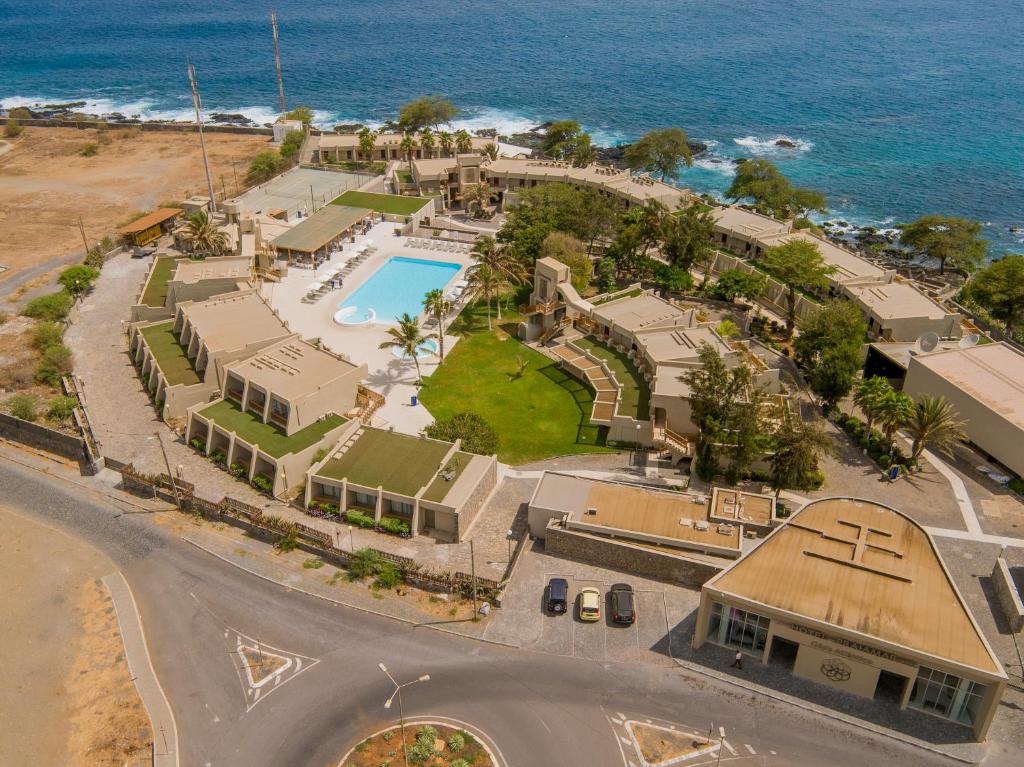
Praia, on Santiago Island, is Cabo Verde's capital and an excellent base for a few days exploring the city and nearby history. The first decision is whether to stay on historic Plateau, near the beaches of Prainha and Quebra Canela, or in the newer districts of Fazenda and Palmarejo. Plateau is an elevated centre above the port, not a waterfront strip.
Cabo Verde's Cultural Heritage Institute describes its roughly 28-hectare core of streets and buildings that reflect the capital's military, administrative and religious past. Choose a hotel here to visit Praça Alexandre Albuquerque, go to restaurants on foot and return to your room between errands.
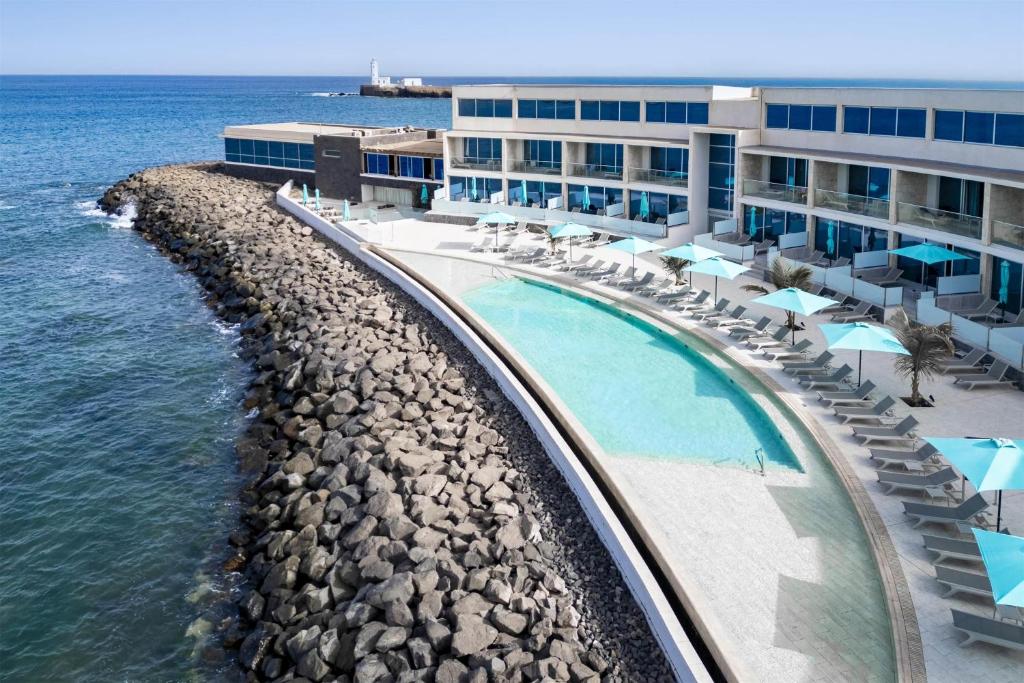
Walking up from the coast can be tiring, especially with luggage or in midday heat. Prainha is a different environment: sea-facing hotels and relaxed mornings close to water. Quebra Canela is a distinct beach area, not simply another name for Prainha, so examine the actual walking route to the shore.
Fazenda and Palmarejo are residential and commercial districts on different sides of town; a longer stay or work visit might make them useful, but neither guarantees access to every tourist sight on foot. Nelson Mandela International Airport serves Praia. Confirm a pickup point and the hotel's exact entrance if arriving late.
Cidade Velha, the historic former Ribeira Grande, lies outside the city and deserves a separate outing. UNESCO recognises its old fortress, churches and Pillory Square, and its important, painful history of European colonisation and the Atlantic slave trade. This is a place to learn and reflect, not merely a beach excursion.
Cabo Verde's tourism authority describes November through July as a long dry season and August through October as wetter. Saharan dust carried by seasonal winds can sometimes haze the sky from December to February and affect sea conditions and visibility. Bring water for exposed hilltop walks, check beach safety before swimming and allow room for changes in transport plans.
Two nights work for the city and coast; a third allows Cidade Velha without rushing.
Common questions
How do I get there from the airport?
Nelson Mandela International Airport serves Praia. Arrange a taxi or hotel pickup to your exact entrance, especially if your flight lands late or you have large bags.
Can I stay without a car?
Yes if you use a mix of short walks and taxis. Walk around Plateau or your chosen waterfront stretch, then take a ride between districts when terrain, luggage or timing makes walking impractical.
Can I visit Cidade Velha while based here?
Yes. Give the UNESCO-listed historic centre its own half-day or longer. Check the exact outbound and return pickup rather than treating it as part of a walk around Praia.
When should I go?
November to June is generally drier. When it is warmer or more humid, put exposed sightseeing earlier and leave room to switch the beach and city plans if conditions change.
How many nights should I book?
Two nights work for Plateau and a coastal outing; three leave room for Cidade Velha and an unhurried arrival or departure.
Why is Plateau different from the coastal districts?
It is Praia's elevated historic core of roughly 28 hectares, with older administrative, religious and military buildings. The beaches and sea-facing hotels are lower down.
Are Prainha and Quebra Canela identical?
No. They are distinct coastal areas with different hotels and beach access. Check the actual route and current sea conditions.
What is historically important about Cidade Velha?
UNESCO lists the former Ribeira Grande for its fortress, churches and Pillory Square, together with its colonial and Atlantic slave-trade history. Visit as a separate outing from Praia.
When is there more rain or Saharan dust?
The national tourism authority describes August–October as wetter and November–July as drier. Dusty winds from the Sahara can reduce visibility around December–February.
Prices are set by the booking site. We may earn a small fee, at no cost to you.