About Cidade Velha
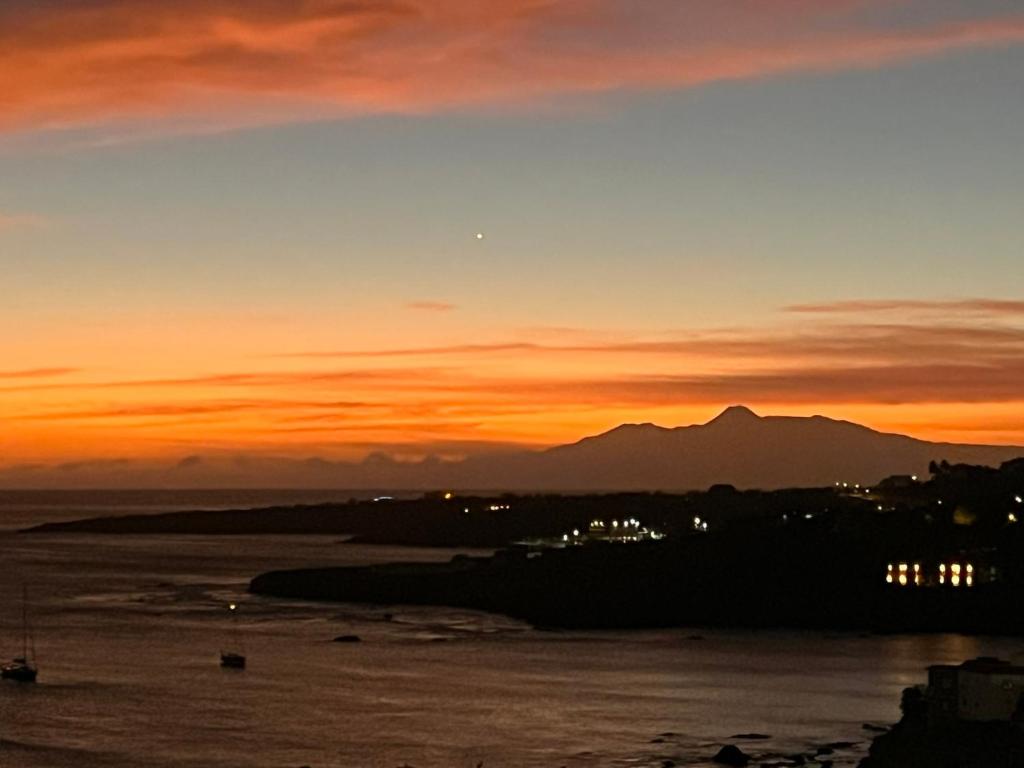
Cidade Velha rewards a night after the day visitors leave, when the fishing shore and old streets become the setting for dinner rather than a rushed stop from Praia. Choose the historic shore for monuments and meals on foot, Santo António for sea terraces and selected pools, or the Ribeira valley for gardens and a slower morning.
Santa Marta adds a more independent stay on the western edge. These are adjoining parts of one small town, with slopes and uneven approaches between them. Match the room, kitchen and arrival route to your plans before choosing by the view alone.
Common questions
How long should I stay, and is this a separate base from Praia?
One night gives you an evening by the shore and time for the historic streets before returning to Praia or continuing around Santiago. Two nights make more room for the fort, a valley walk or a booked dive without rushing every meal. Praia remains convenient for city restaurants and transport connections; Cidade Velha suits a smaller, quieter base centred on history and the sea. There is no need to change accommodation between its four settings. Choose by the walk and room you want for the ordinary parts of the day, not just the most attractive photograph.
Which airport should I use, and how do I reach my accommodation?
Use Nelson Mandela International Airport at Praia, on Santiago. Arrange the road transfer to the actual property, especially for a late arrival or an address in the coastal lanes. Send flight details, agree where the driver will meet you and confirm the final entrance; a drop at the central square is not the same as reaching every room. One current coastal access notice describes a damaged, unlit stretch under reconstruction, so a host-arranged driver can be more useful than attempting the last walk with luggage after dark. Confirm food arrangements if arriving after your usual dinner time.
Can I stay without renting a car?
Yes, if you choose a setting whose walks suit you and arrange the journeys beyond it. The old streets are compact, but the fort is on Achada Forte hill and the coast and valley involve different approaches. Shared hiace minibuses connect with Praia through places including the Palmarejo roundabout known as Rotunda Brás, Terra Branca and Sucupira; ask locally which departure fits your trip. Regular service is a daytime arrangement, with fewer or separately arranged options later. Carry cash and agree the return. A taxi is useful for luggage, a late dinner or reaching the start of a valley hike.
What should I see in the historic centre?
Allow time for Rua Banana, Nossa Senhora do Rosário church, the São Francisco convent area, the cathedral ruins and the Pelourinho by the central shore. Continue to the Royal Fortress of São Filipe on the hill if the access and current visiting arrangements suit you. Cidade Velha, the former Ribeira Grande, is a UNESCO World Heritage site closely tied to Atlantic colonial trade, the enslavement and movement of African people, and the formation of Creole society. A local guide can connect the buildings to that history. Check access for the individual monuments instead of assuming one opening schedule covers everything.
How does the Calabaceira valley walk fit into a stay?
A useful option is to arrange transport to Calabaceira and walk through the green valley toward Cidade Velha. Operators combine the countryside, farms and town monuments; one published excursion allows about two hours of actual hiking within a half-day programme. That is different from a short garden walk or a circular route beginning at your room. Ask about the current path, gradients and return plan, especially after rain. Wear walking shoes, bring water and sun protection, and use a local guide if you want help with the route and the valley’s agricultural history. Visits to farms or a distillery require their own arrangements.
Should I choose a sea-facing room or a pool?
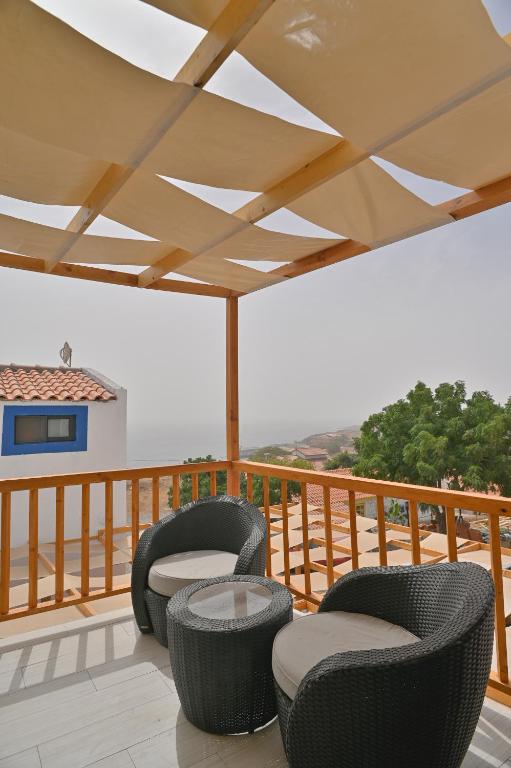
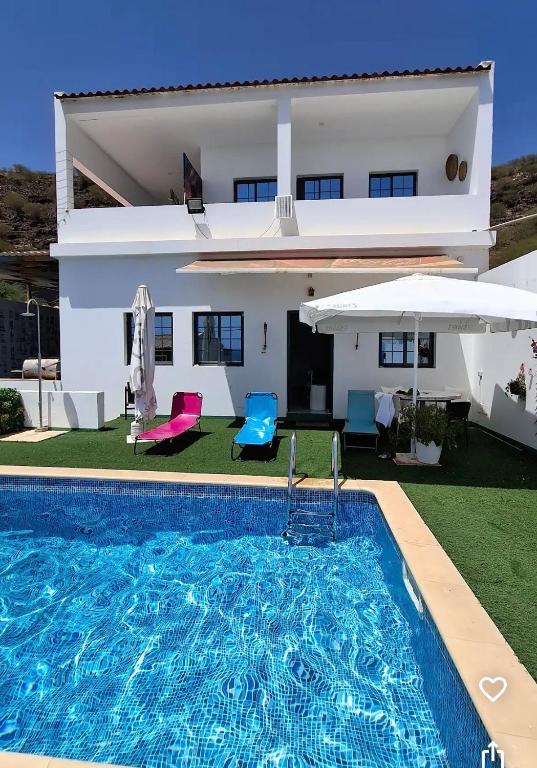
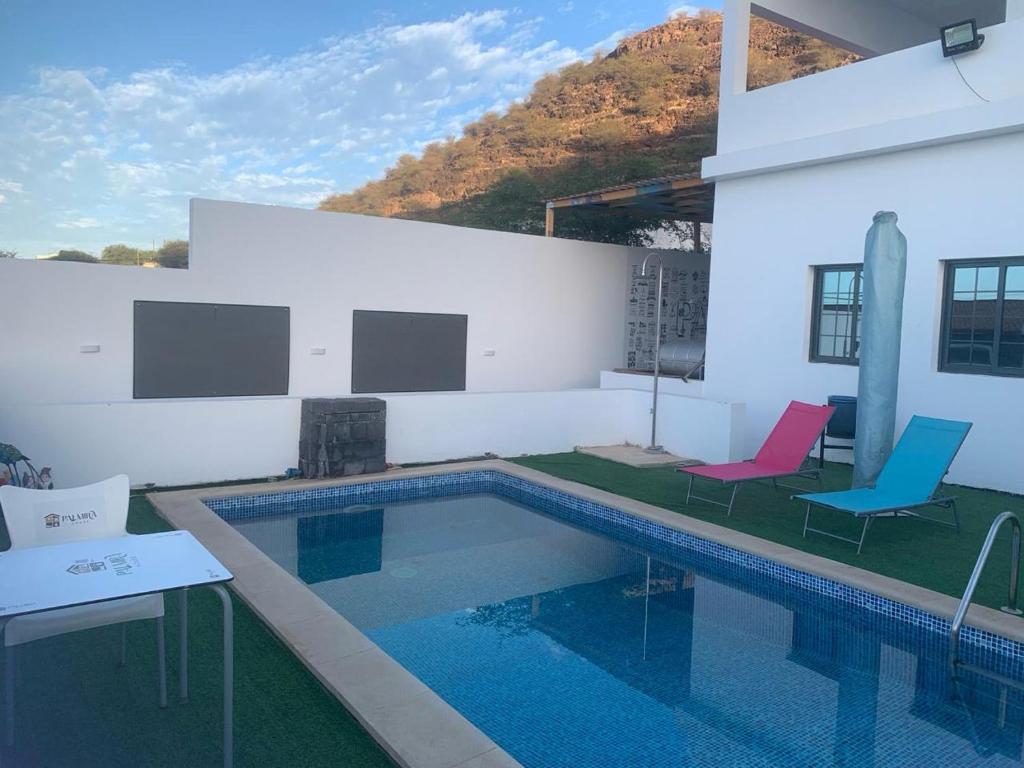
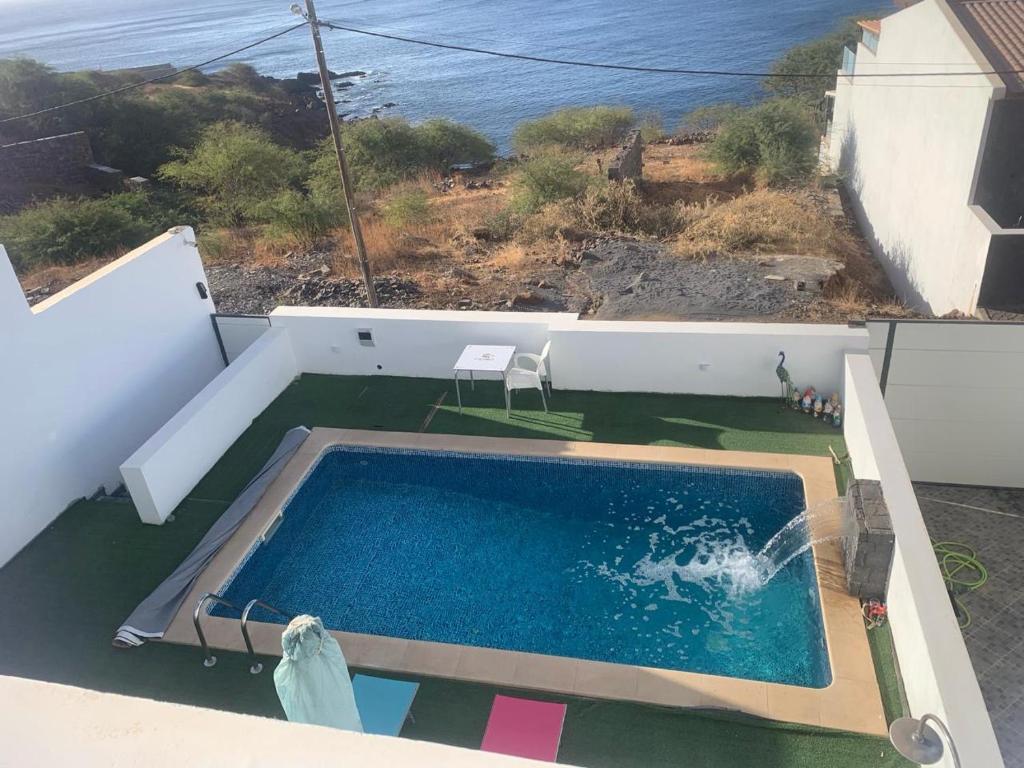
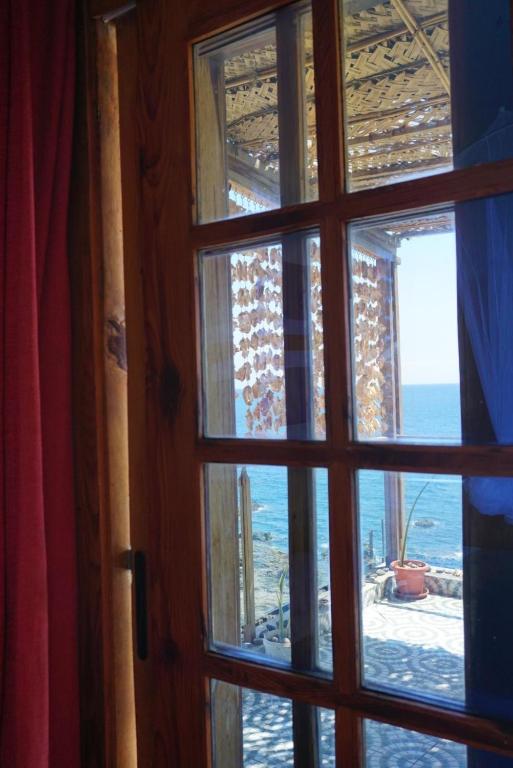
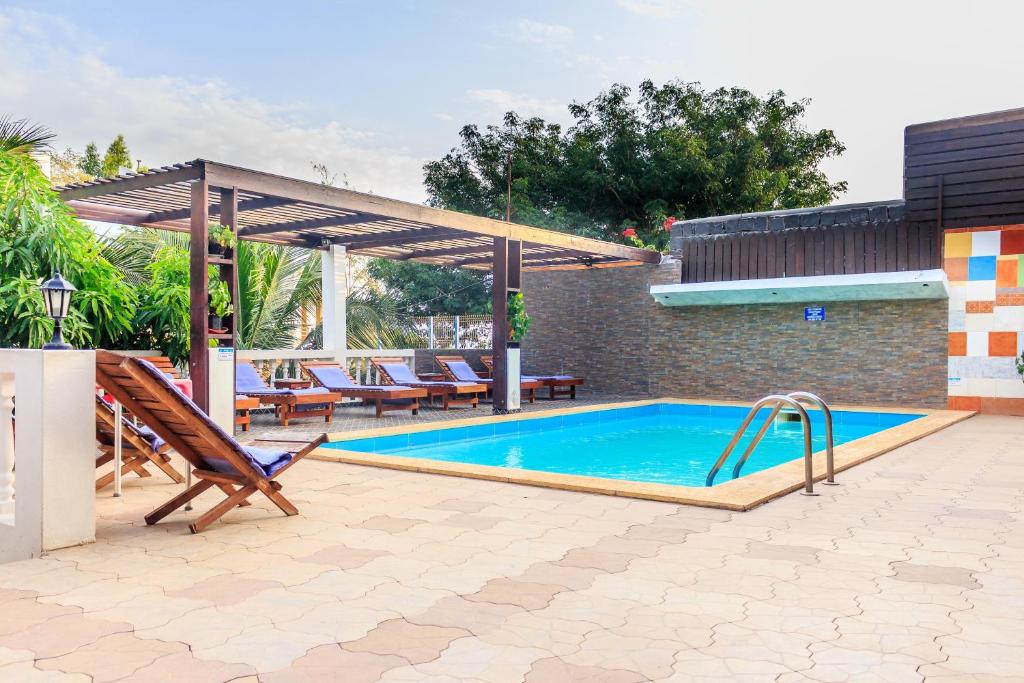
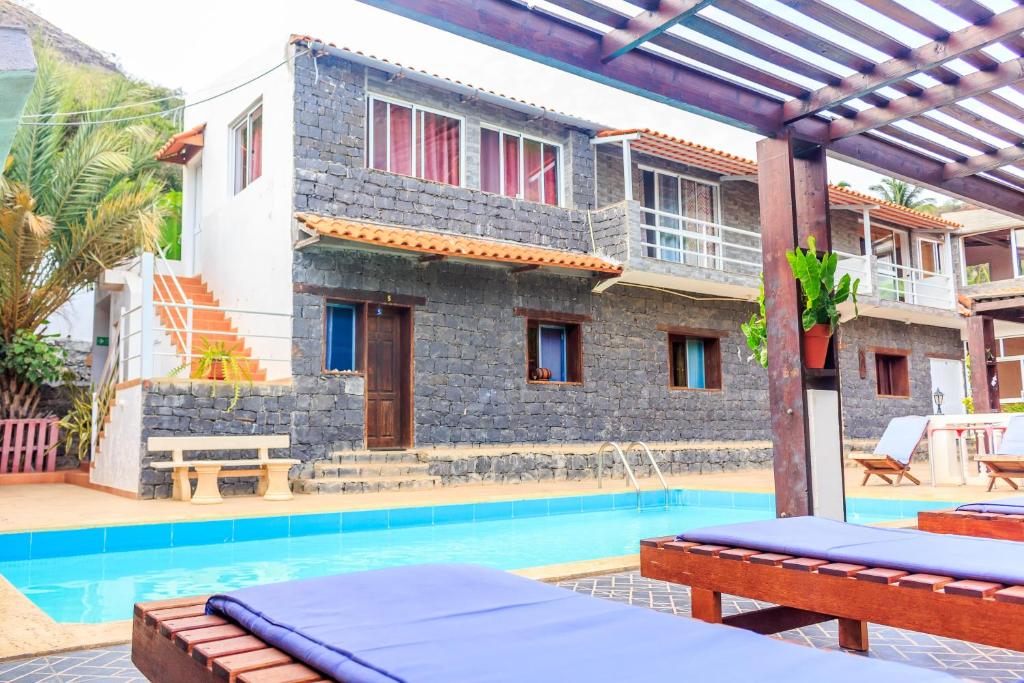
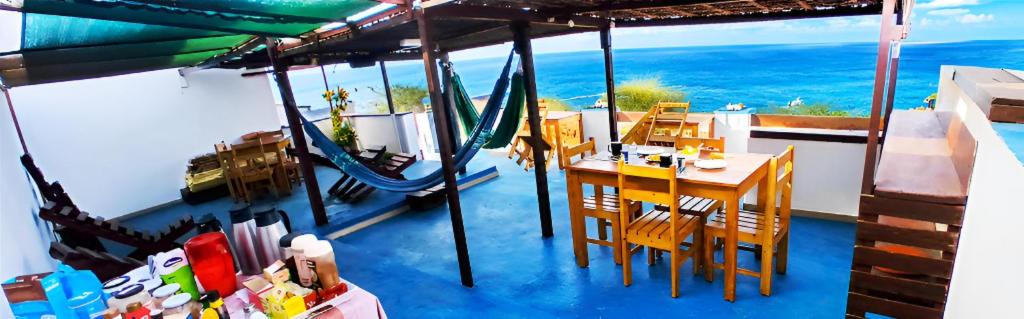
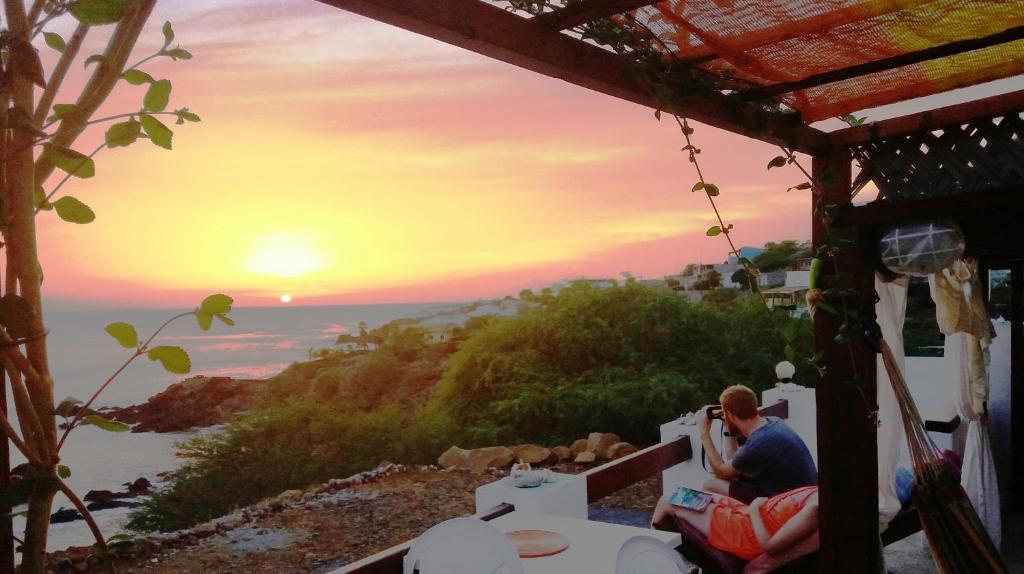
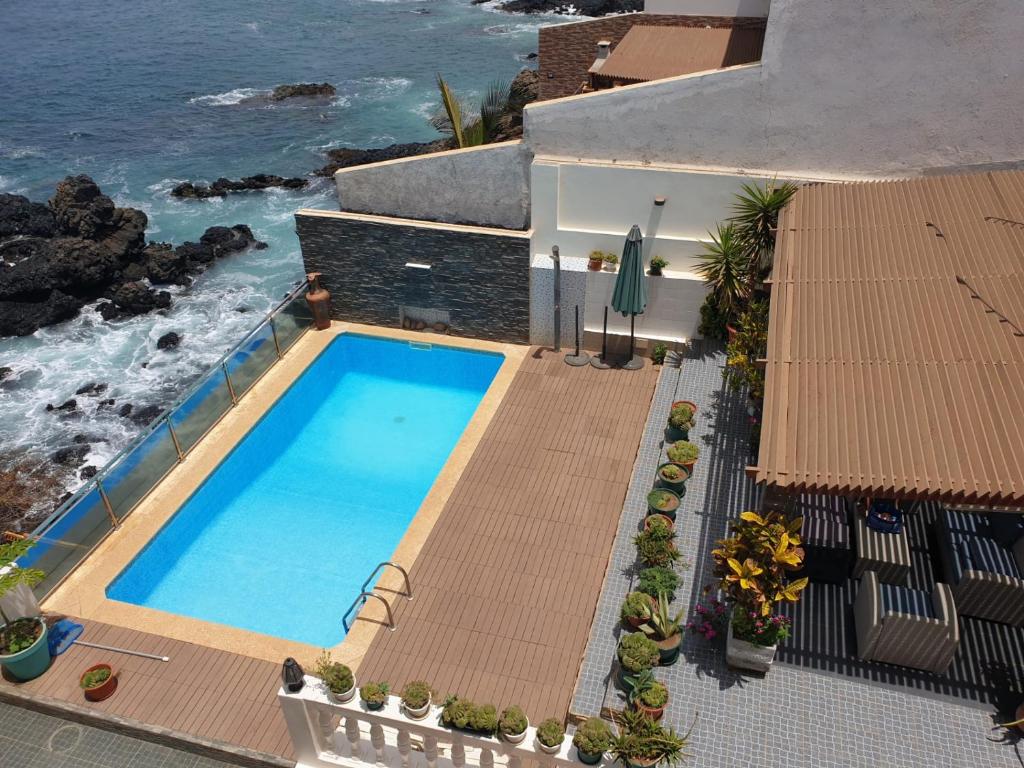
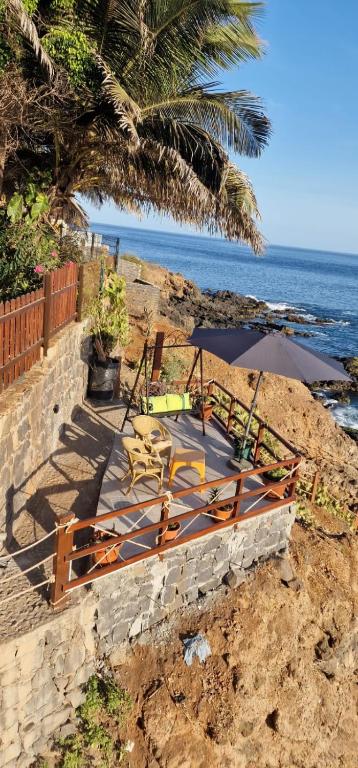
Choose the sea for views, the fishing shore and time on a terrace; choose a confirmed pool if swimming at the property is central to the holiday. The coast includes volcanic shore entries and steps, so a beachfront label is not a guarantee of a flat sandy approach or suitable conditions for a swim. Ask locally about the sea that day. The local dive operator selects shore or boat activities according to conditions and confirms them before the outing; book the actual activity separately. Pool access, the room’s view and the age policy also need checking for the selected accommodation.
When is a useful time to visit?
The official broad climate pattern is dry from November to July and wetter from August to October. Use that as a planning guide, not a guarantee of rain-free days or unchanged paths. The drier months are a practical starting point for combining the monuments with valley walks; during wetter periods ask about the current footing and final approach. Start longer walks before the strongest heat, leave time for shade and drinking water, and choose room cooling that suits you. A sea breeze, a fan and air conditioning are different arrangements, and not every room offers all three.
Which room and payment details should I confirm?
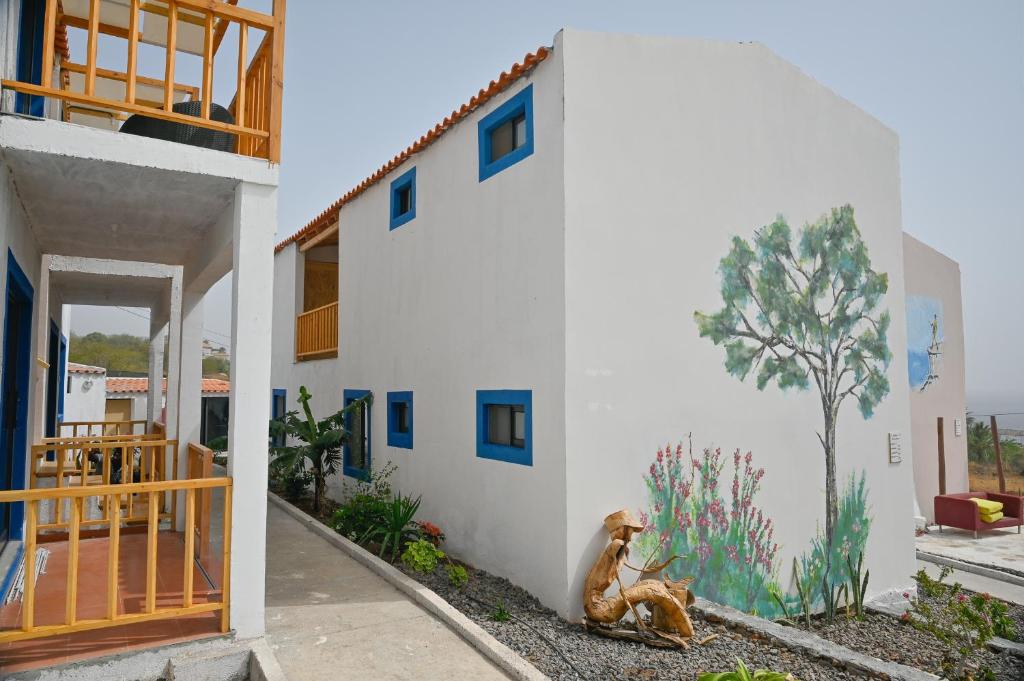
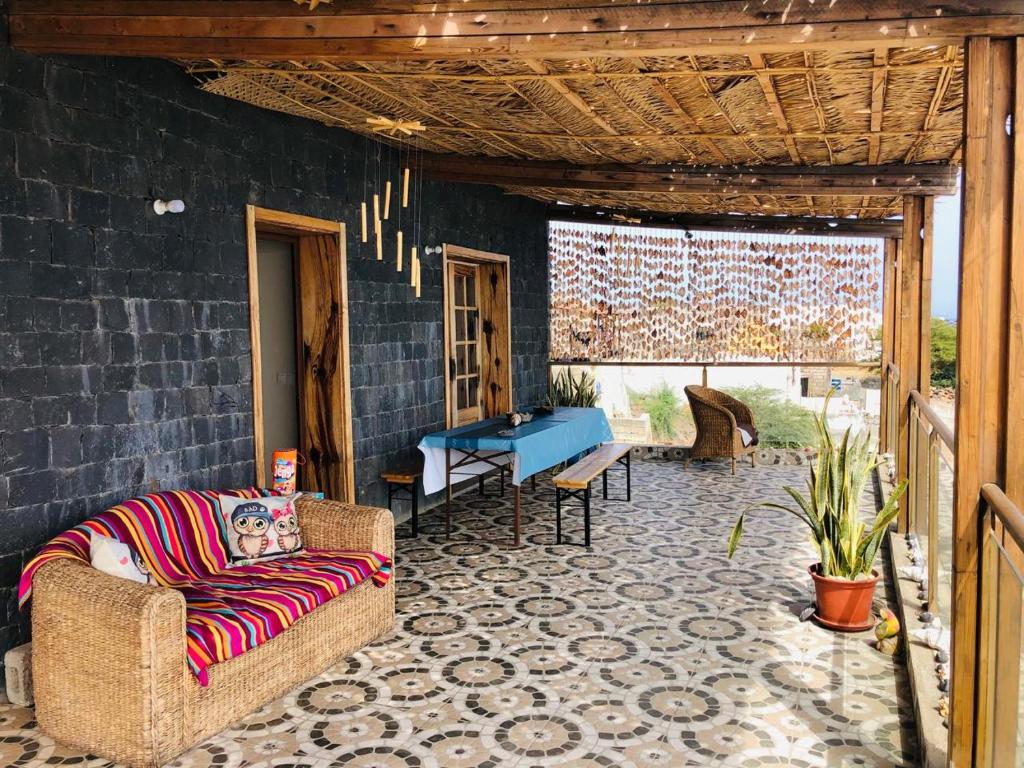
Start with the exact sleeping unit: a private-bath guest room, a self-contained studio, an apartment and a whole-house category are different bookings. Confirm whether the kitchen is shared, the floor and stairs, fixed beds, cooling and any room Wi-Fi you need. Child rules vary: some selected offers exclude children, while others accept them but have no cots or only requested extra beds. Send the full party’s ages before booking. Cash, cards and advance bank transfers also differ by property; follow the terms of your selected reservation and agree the arrival time rather than assuming a permanently staffed reception.
Prices are set by the booking site. We may earn a small fee, at no cost to you.