About San Andrés
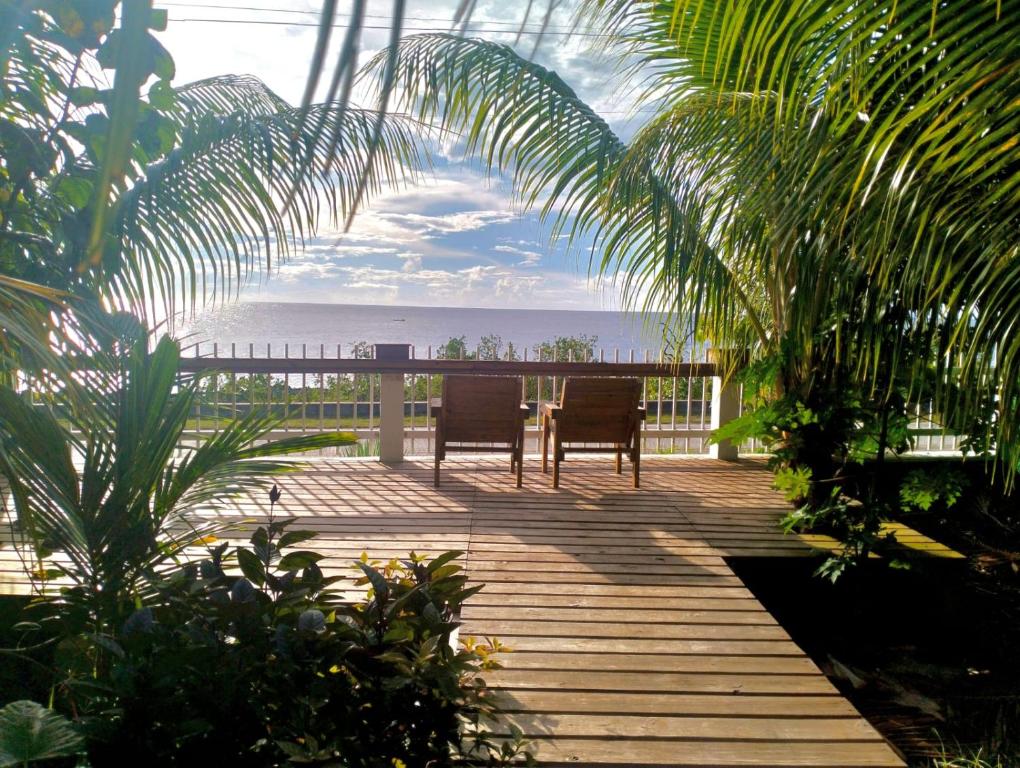
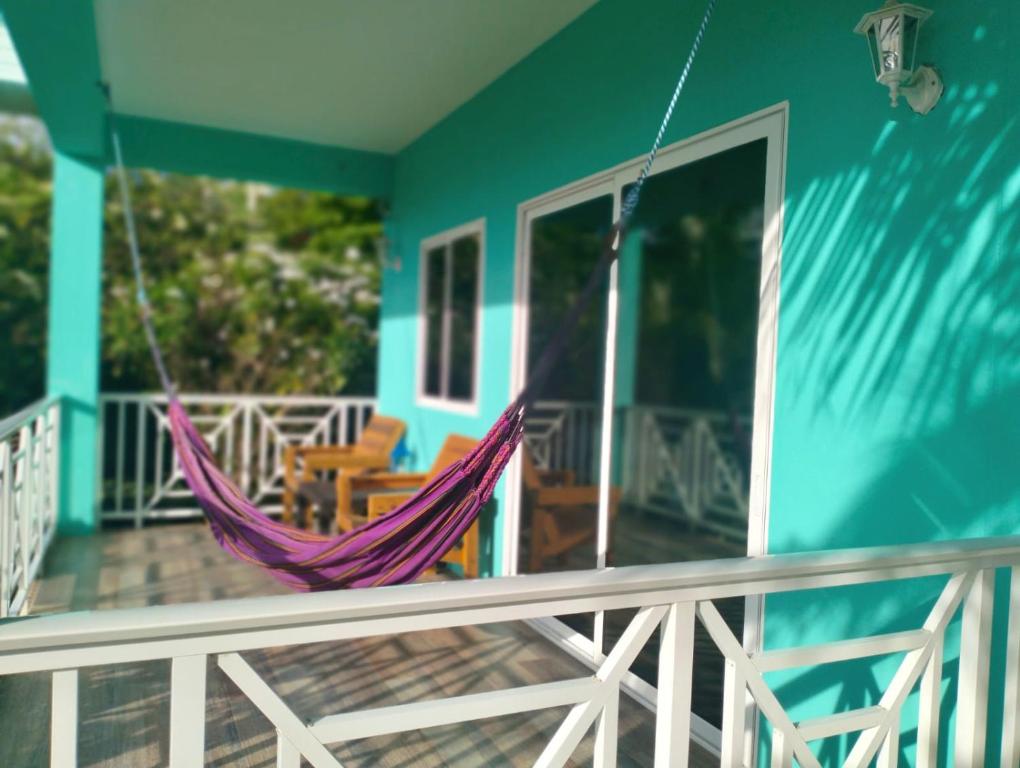
San Andrés works best when you choose a shore before choosing a room. North End puts Spratt Bight, restaurants and shopping into a walkable daily routine; La Rocosa offers smaller garden stays on the northwestern residential edge.
San Luis and Rocky Cay move the focus to the eastern beaches, while the western and southern coast suits travellers who want to spend more time at their accommodation. Those choices change dinner plans, transport and how you reach the sea.
Leave time for Raizal culture inland and treat offshore cays as weather-dependent excursions, rather than guaranteed additions to every beach day.
Common questions
Where should I stay for a first visit?
North End is the most convenient starting point if you want Spratt Bight, meals and shops within the northern town. Choose La Rocosa when a small garden property matters more than immediate beach access. San Luis and Rocky Cay fit a stay centred on the eastern beaches, while the west and south reward travellers who are comfortable arranging rides and spending longer at the accommodation. Choose by the daily routine you want, then compare the exact address.
How many nights should I plan?
Four or five nights allow a town-and-beach day, one substantial boat outing, an eastern-coast day and some time inland or at the hotel. Keep a flexible slot because marine conditions can change the order of activities. For a shorter stay, one base is easier than moving luggage between shores. A longer visit can combine a northern base with a quieter garden or beach setting, but the transfer should earn its place in the itinerary.
How do I arrive, and what documents do I need?
Flights arrive at Gustavo Rojas Pinilla airport beside the northern urban area. Authorised taxis at the exit serve destinations around the island; give the actual hotel address, especially for a southern kilometre point. For an ordinary tourist visit, arrange the archipelago's tourist card before boarding and have a return ticket and accommodation details ready. Confirm your airline's current purchase procedure and any child exemption. International visitors must also meet Colombia's entry-document requirements; the island card is a separate step.
Do I need to rent a vehicle?
You can stay in North End without renting one and book rides for island outings. Coobusan's El Cove–Piscinita route serves the west, while San Luis–Piscinita follows the eastern side through Rocky Cay and San Luis. Confirm the current boarding point, destination sign and last useful return rather than assuming a bus reaches every hotel entrance. A taxi or arranged driver is useful for an evening away from your base. For rental vehicles, check the required licence, permitted driver and contract before booking.
When is the best time to visit?
The island stays warm throughout the year. IDEAM's long-term airport averages show February to April as relatively dry, with March the driest month; rainfall rises later in the year and is especially high around October and November. These are seasonal patterns, not a guarantee for a particular week. Wind, waves and currents matter separately from rainfall. Check DIMAR's San Andrés marine forecast and local instructions before boat trips or swimming, and keep a flexible land-based alternative.
How should I plan Johnny Cay and the other cays?
Book a clearly described outing with an authorised boat, admission arrangements and a confirmed return. For Johnny Cay, CORALINA's 2026 guidance requires the authorised landing pier and manages arrivals in turns, so allow for waiting. Weather and conservation maintenance can interrupt access. Ask which cays the outing actually includes; Johnny Cay and the Acuario area are different stops. Follow the marked bathing zone and staff instructions, and do not feed wildlife or handle marine animals.
Which coast is best for swimming?
Spratt Bight offers a sandy beach beside the northern town; the San Luis and Rocky Cay side provides other beach settings along the east. The western coast has rocky sea-entry places that suit a different kind of outing. None of these descriptions guarantees safe swimming on a particular day. Check local conditions, marked areas and the exit from the water, especially with children. Do not walk towards a cay simply because an old description says the water is shallow; use current local guidance.
What can I do beyond the beach?
Plan an inland visit to La Loma, where the First Baptist Church is a landmark and viewpoint. Check visitor access around worship rather than assuming the building is always open. The island's Raizal culture includes Creole or Kriol, alongside English and Spanish, and deserves more time than a quick photo stop. A locally led cultural visit or a meal with an explanation of island cooking can give the day a different focus. Ask before photographing people or entering private homes.
What local food should I look for?
Rondón, also called rundown, is a coconut-milk stew associated with Raizal cooking, commonly combining fish or seafood with green plantain and root vegetables such as cassava. Recipes and availability differ, so ask what the kitchen is preparing rather than expecting the same version everywhere. Fish dishes, dumplings and coconut-based accompaniments offer other ways to explore island food. If you avoid seafood or particular ingredients, discuss the complete preparation with the restaurant; a coconut base does not make a dish vegetarian.
What should families and longer-stay guests check?
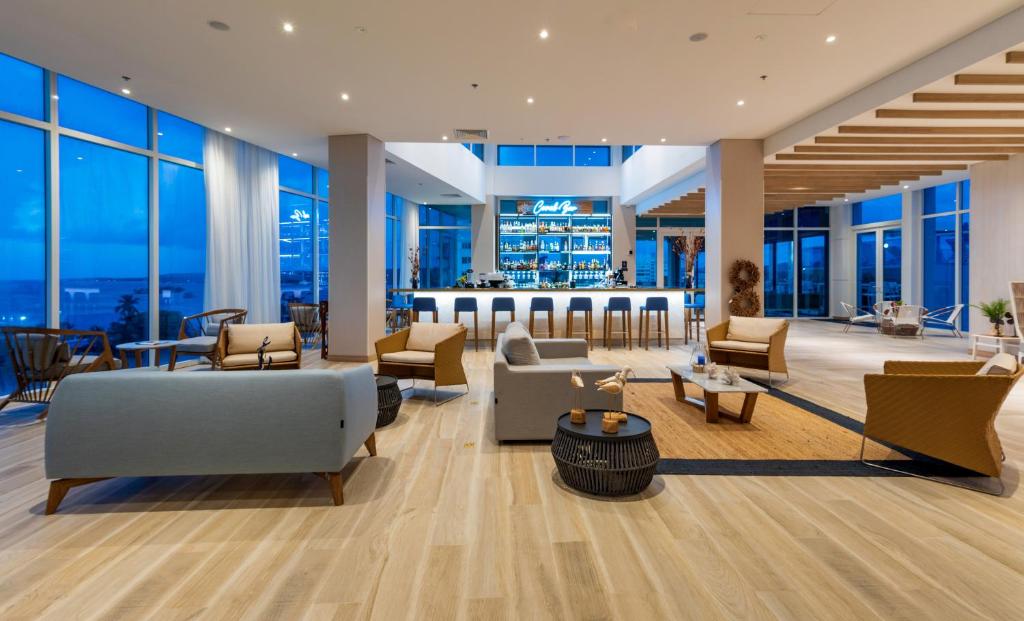
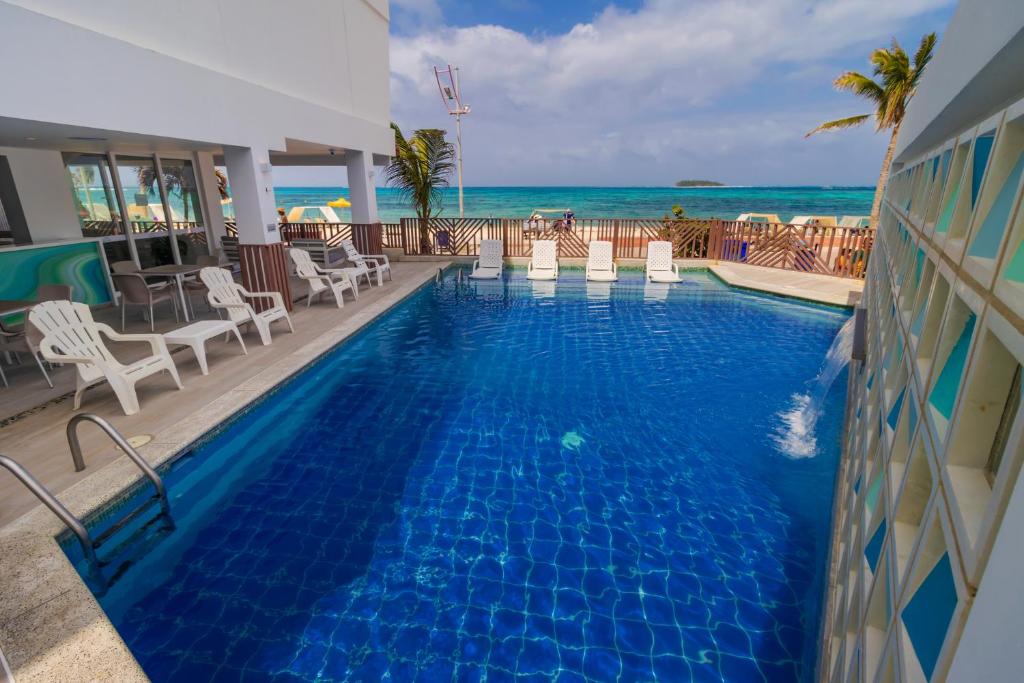
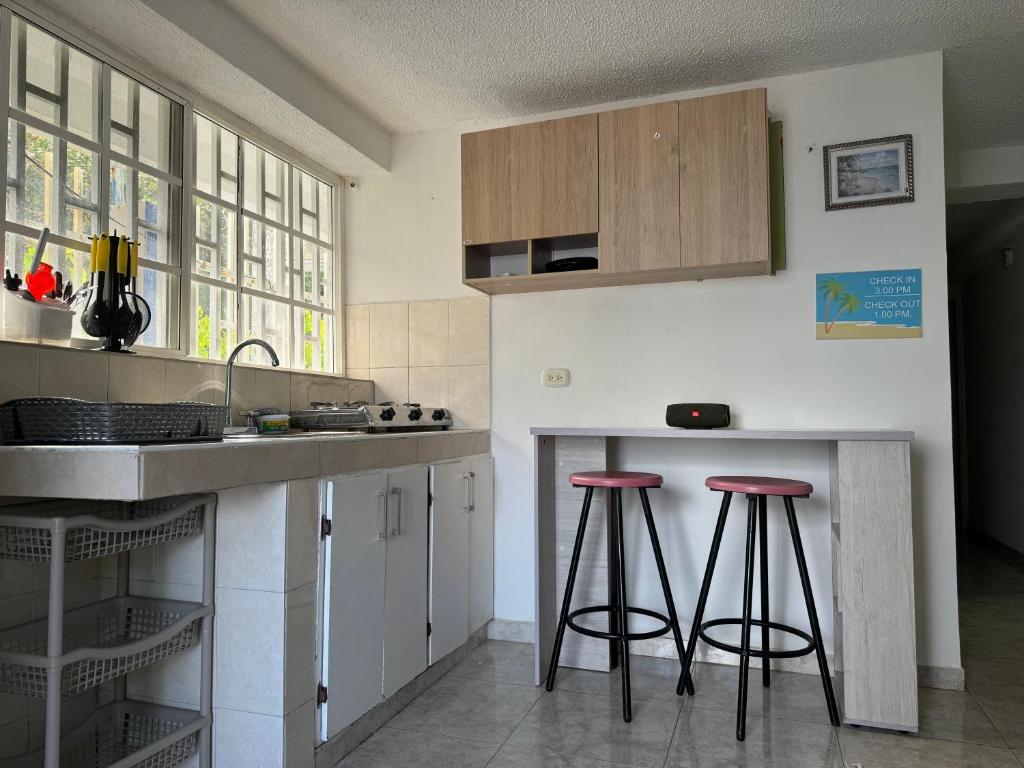
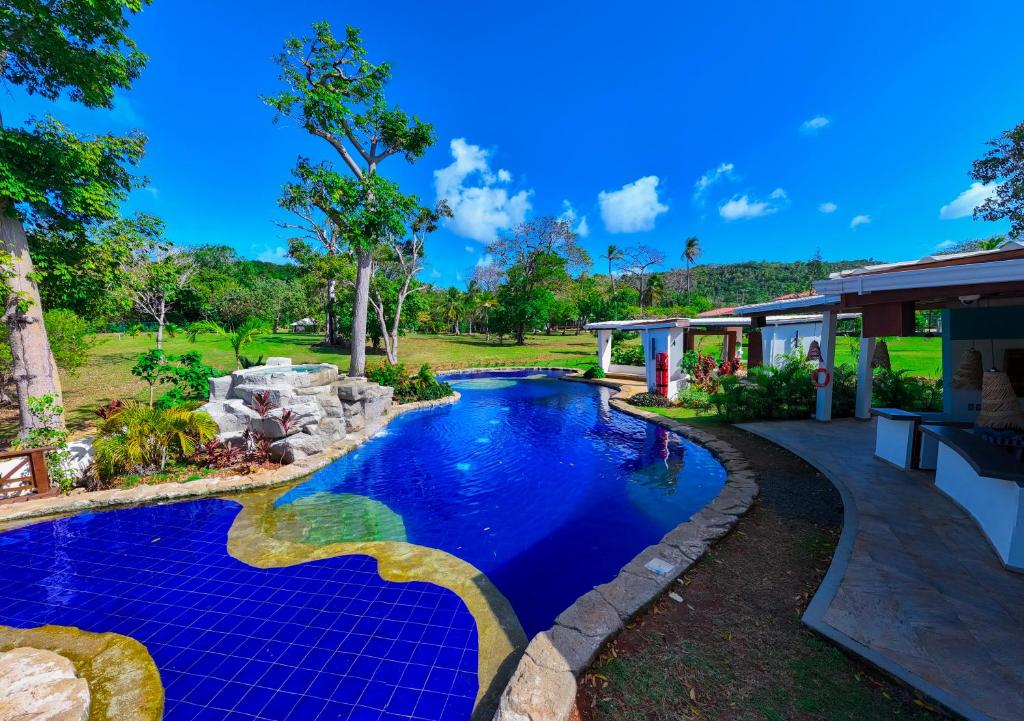
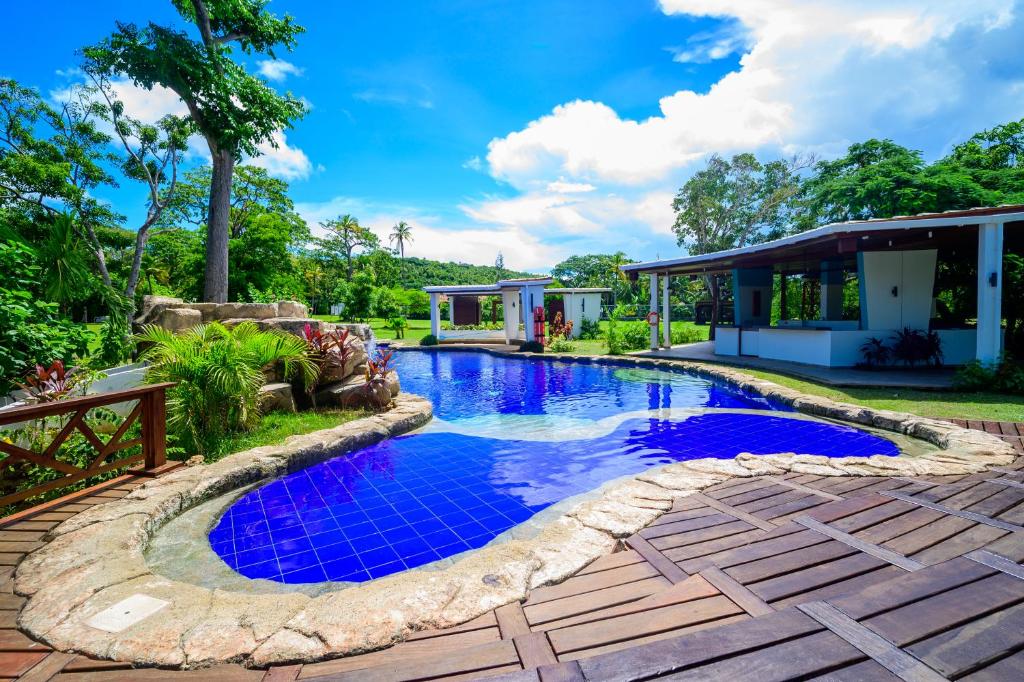
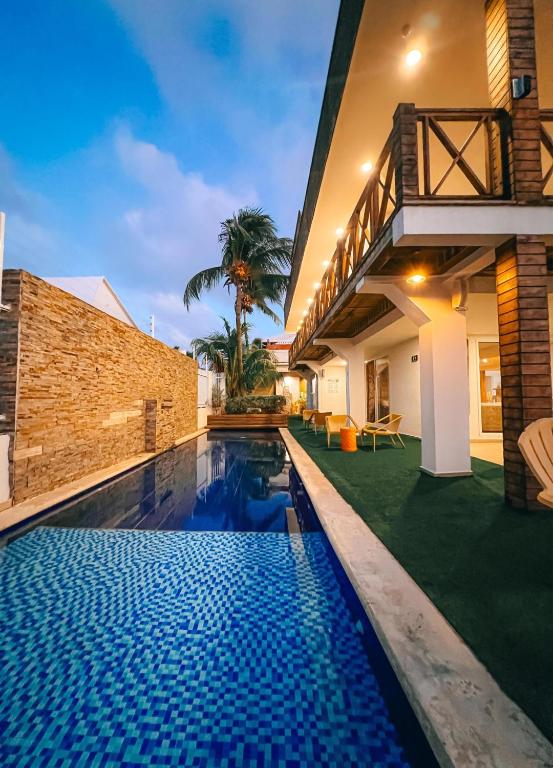
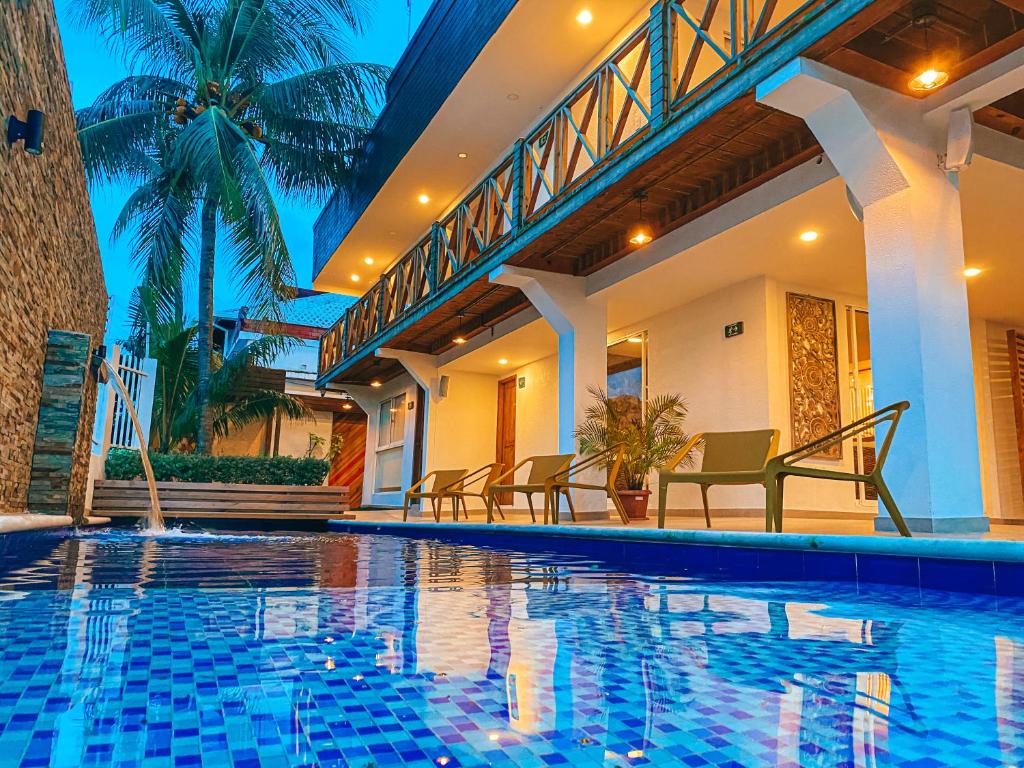
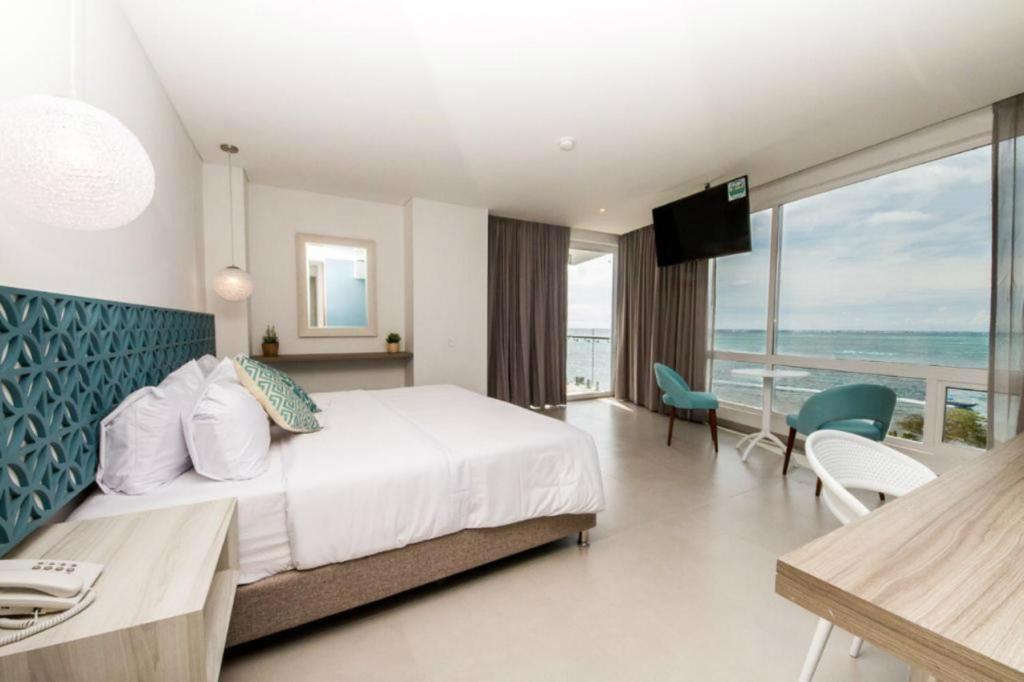
Check the allowed ages and exact occupancy before choosing a garden hotel, raised cabin or apartment. Two large beds do not always mean four adults are permitted, and a sitting area is not a second bedroom. Confirm stairs, air conditioning, hot water, meal inclusions and whether cooking facilities are private or shared. A shared rooftop pool differs from a private tub or sea access. Some properties accept adults only or older children, so use the specific room and current policy rather than the broad hotel label.
Prices are set by the booking site. We may earn a small fee, at no cost to you.